How Many Floors Can a Cottage Have?
Cottage Floor Height Calculator
Determine how many floors your cottage can have based on local building regulations. This calculator provides general guidance, but always consult your local building authority for exact requirements.
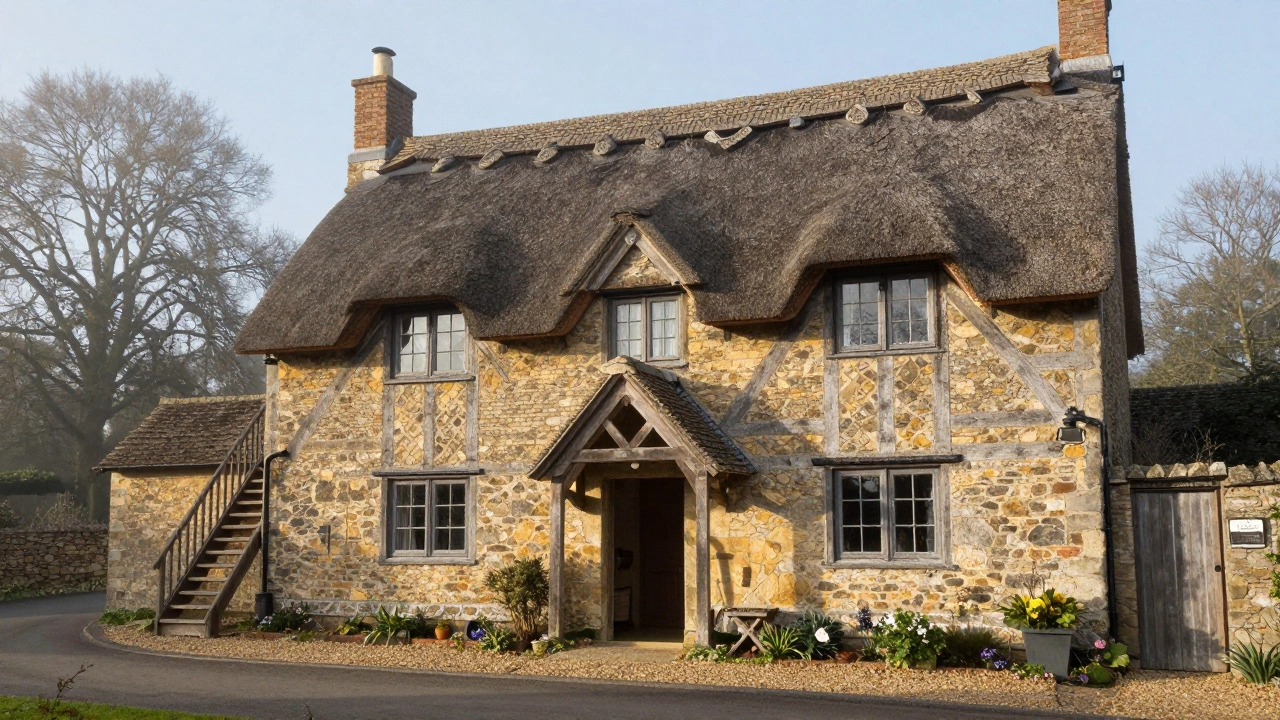
When you picture a cottage, what comes to mind? A cozy stone or timber building with a thatched roof, maybe a small porch, windows that look out over a field or forest. Most people assume cottages are always single-story - low, humble, and simple. But that’s not the whole story. The truth is, cottage doesn’t mean one floor. It means character. And character can come in more than one level.
What Defines a Cottage?
A cottage isn’t defined by its height. It’s defined by its feel. Historically, cottages were small, modest homes built for rural workers - farmhands, shepherds, laborers. They had thick walls, small windows, and simple layouts. In England, Ireland, and parts of Scotland, cottages often had just one room downstairs and one upstairs - maybe a sleeping loft. That’s still the classic look today. But over time, as building codes changed and people wanted more space, cottages evolved.
Modern cottages can be two or even three stories tall and still carry the cottage label. What matters isn’t the number of floors - it’s the materials, the charm, and the context. A two-story timber-framed home with a steep roof, dormer windows, and a wraparound porch? That’s still a cottage. A three-story stone building with a slate roof and hand-carved lintels? Still a cottage. Size doesn’t break the rules - intention does.
Building Codes and Local Rules
Here’s where practicality kicks in. In many rural areas, especially in the U.S., Canada, the U.K., and parts of Europe, local zoning laws limit how tall a cottage can be - not because of tradition, but because of infrastructure.
For example, in parts of Vermont and Maine, building codes restrict new cottages to two stories unless you get a special variance. Why? Steep driveways, narrow roads, and septic system limits make taller buildings harder to support. In the U.K., many rural villages have conservation area rules that cap building height at 10 meters (about 33 feet), which usually allows for two full floors plus an attic. In some cases, you can add a third level if it’s set back, uses traditional materials, and doesn’t overshadow neighboring homes.
But in places like rural Colorado or northern Sweden, where land is plentiful and building regulations are looser, three-story cottages are becoming common. They’re not skyscrapers - they’re just homes with more breathing room. A third floor might house a guest suite, a home office, or even a small library with views of the mountains.
Why Build a Two- or Three-Story Cottage?
People aren’t building taller cottages just to show off. There are real reasons:
- Views - In hilly or forested areas, a second or third floor gives you a better look at the landscape without needing to clear trees.
- Space efficiency - If you’re on a small plot, going up saves land. A 1,200-square-foot cottage on two floors takes up half the footprint of a 2,400-square-foot single-story version.
- Energy efficiency - Heat rises. A two-story cottage with good insulation can stay warmer in winter with less fuel. Many modern cottages use passive solar design, with south-facing windows on the upper floor to capture sunlight.
- Privacy - Bedrooms on the second floor mean less noise from living areas below. Guests can have their own wing without being right next to the kitchen.
There’s also the emotional side. A cottage with a second floor feels more like a home than a cabin. It’s not a vacation retreat - it’s a place you live, year-round, with kids, pets, and books piling up on the stairs.
Design Tricks for Multi-Level Cottages
Building a two- or three-story cottage doesn’t mean copying a suburban house. The magic is in keeping the cottage soul.
Here’s how it’s done:
- Steep roofs - A pitched roof with dormers keeps the traditional look. Dormers add headroom on upper floors without making the building look boxy.
- Exposed beams - Even on the second floor, rough-hewn timber or reclaimed wood keeps the rustic feel.
- Small windows - Large windows feel modern. Cottages keep windows modest, often with divided panes.
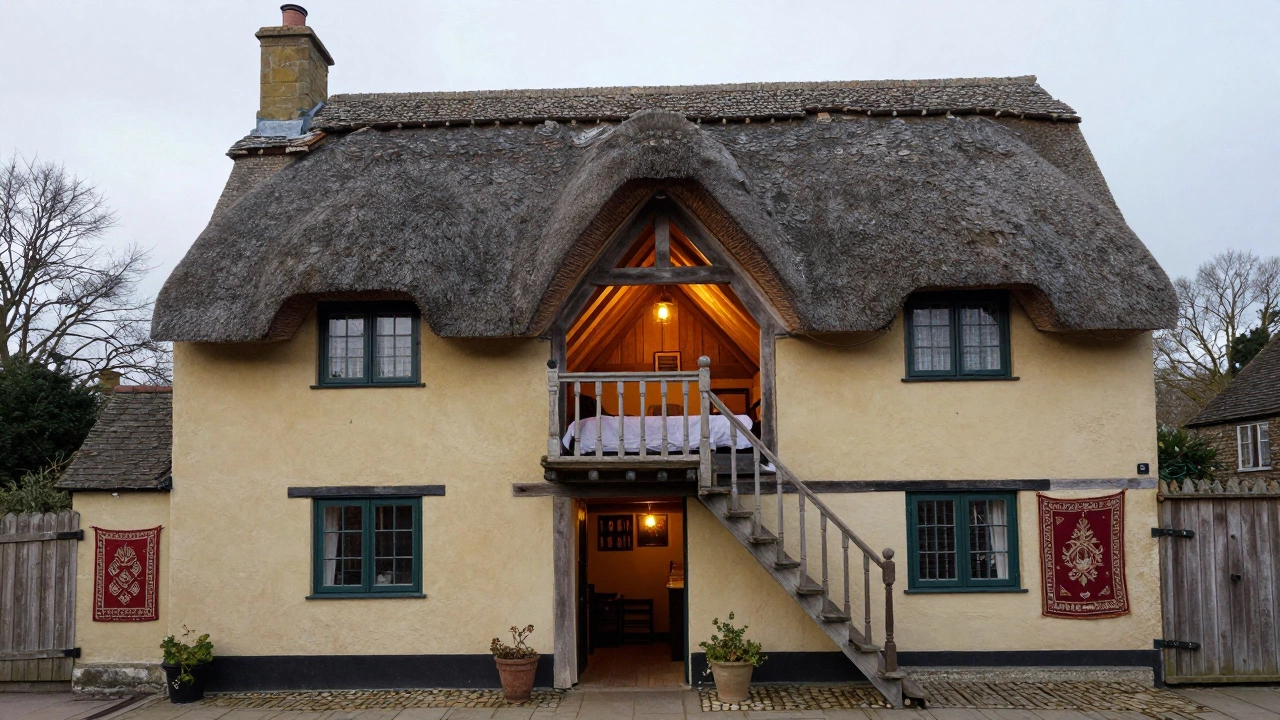
- Staircase as a feature - A wide, wooden staircase with a hand-carved railing isn’t just functional - it’s part of the charm.
- Material continuity - Stone, wood, and slate on the first floor should match the upper levels. No vinyl siding on the second story.
One architect in Nova Scotia built a three-story cottage using only materials from the original 1840s farmhouse on the property. The result? A home that looks like it’s been there for 200 years - even though the third floor was added in 2023.
What About Attics and Lofts?
Attics and lofts are the quiet heroes of cottage design. Many cottages that look like one story from the outside actually have a full second floor hidden under the roof. These are called “half-lives” in some building circles - spaces that aren’t full stories but are fully usable.
For example, a cottage with a 12-foot ceiling downstairs and a 7-foot ceiling upstairs might not count as two stories legally - but it can still hold a bedroom, a reading nook, or a small bathroom. In the U.K., these are called “attic rooms” and are often exempt from full building permits if they don’t add external height.
In the U.S., the International Residential Code says a room must have at least 7 feet of headroom in half the area to count as a habitable room. So if your attic has sloped ceilings, you can still use it - just not for a full bathroom or kitchen.
Common Mistakes
Not every two-story cottage works. Here’s what goes wrong:
- Overbuilding - A 4,000-square-foot, three-story cottage on a half-acre plot feels like a mansion, not a cottage. Scale matters.
- Modern materials - Metal roofs, aluminum windows, or synthetic siding break the cottage vibe. Stick to wood, stone, brick, and slate.
- Ignoring the landscape - A tall cottage on a flat field looks awkward. But on a hillside, it can blend beautifully.
- Forgetting access - If your driveway is steep or narrow, a two-story cottage might be fine. A three-story one? Good luck with deliveries, moving furniture, or emergency vehicles.
Real Examples
Take the Whispering Pines Cottage in the Adirondacks. Built in 1902 as a one-story hunting lodge, it was expanded in 1987 with a second floor using the same timber and hand-split shingles. Today, it has three levels - the original ground floor, a second floor with bedrooms, and a third floor attic turned into a sunroom. Locals still call it a cottage.
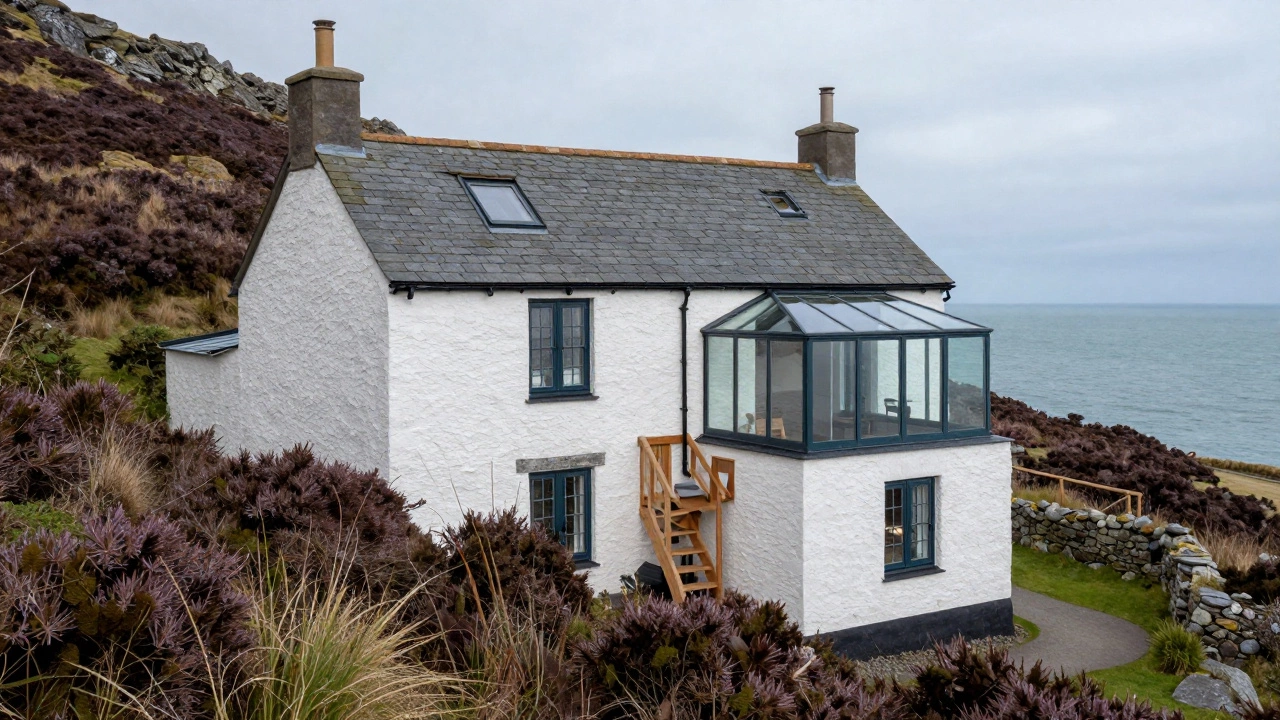
Or look at the Cliffside Cottage in Wales. It’s built into the side of a hill. The ground floor opens to the valley. The second floor faces the sea. The third floor? A small observatory with a glass ceiling. No one calls it a house. Everyone calls it a cottage.
So, How Many Floors Can a Cottage Have?
The answer? Two or three - if done right.
There’s no official limit. No law says cottages must be one story. The only real rule is this: if it feels like a cottage, it is one. It’s not about height. It’s about heart.
Build it with respect for the land. Use materials that age well. Keep the windows small and the roof steep. Let the stairs creak. Let the wood weather. And if you need an extra floor to fit your life - go for it.
A cottage doesn’t shrink to fit tradition. It grows to fit the people who live in it.
Can a cottage legally have three floors?
Yes, a cottage can legally have three floors in many rural areas, but it depends on local zoning laws. Some places cap building height at 10 meters (about 33 feet), which allows for two full floors plus an attic. Others require special permits for third floors, especially if the property is in a conservation area or has limited access. Always check with your local planning office before building.
Is a two-story cottage still considered a cottage?
Absolutely. A two-story cottage is still a cottage as long as it keeps the traditional design elements: modest size, natural materials, steep roof, small windows, and a connection to nature. Many historic cottages in Europe and North America were built with two stories - especially in areas where land was scarce or the terrain sloped.
Do cottages need stairs to be considered multi-level?
Yes, if a cottage has more than one habitable floor, it needs stairs. But they don’t have to be grand. Many traditional cottages have narrow, winding wooden stairs - sometimes even spiral or ladder-style in lofts. What matters is that the stairs feel intentional, not afterthoughts. A staircase made of reclaimed timber with hand-carved balusters adds character. A metal and glass stair in a modern style breaks the cottage vibe.
Can a loft count as a second floor?
It depends on the ceiling height and local code. In the U.S., a loft can count as a habitable room if at least half the floor area has 7 feet of headroom. In the U.K. and Europe, lofts are often classified as attic rooms and don’t require full building permits if they don’t change the building’s external height. If you’re using the loft as a bedroom or bathroom, you’ll likely need to meet safety codes for egress and insulation.
Why do some cottages look like they have only one floor but actually have two?
Many cottages use a “half-story” design - the second floor is tucked under a steep roof with dormer windows. From the outside, it looks like one level. Inside, it’s a full usable space. This was common in 18th- and 19th-century rural homes to avoid taxes on taller buildings. Today, it’s a smart way to add space without breaking zoning rules or overwhelming the landscape.