What Building Materials Are Not Eco-Friendly? A Real Guide for Eco-Friendly Cottages
Eco-Friendly Building Material Comparison Tool
| Material Type | Environmental Impact | Key Concerns | Eco-Friendly Alternatives |
|---|---|---|---|
| Concrete | High | 8% of global CO2 emissions, water-intensive, non-biodegradable | Structural Insulated Panels (SIPs), recycled concrete aggregate |
| Virgin Vinyl (PVC) | High | Contains toxic chemicals, releases dioxins, non-recyclable | Linoleum, bamboo, cork, natural rubber |
| Pressure-Treated Lumber | Medium | Contains copper/arsenic, leaches into soil/water | FSC-certified wood, untreated local wood, bamboo |
| Fiberglass/Mineral Wool | Medium | Microfibers release during installation, high energy production | Cellulose (recycled paper), wool, cork |
| Traditional Paints/Sealants | Medium | High VOC content, long-term chemical emissions | Zero-VOC paints, clay-based plasters, natural oil finishes |
| Asbestos | High | Causes mesothelioma, lung cancer, asbestosis | Removal by professionals, replacement with non-asbestos materials |
| Plastic Pipes (PVC/PEX) | Medium | Releases microplastics, contains BPA/phthalates | Copper piping, PEX with carbon filters |
When you’re building or renovating a cottage to feel closer to nature, it’s ironic how some of the most common building materials actually hurt the environment instead of helping it. You want clean air, natural light, and quiet woods around you-but if you’re using the wrong stuff to build it, you’re bringing pollution inside the walls before you even hang a picture.
Concrete: The Silent Carbon Culprit
Concrete is everywhere. Foundations, driveways, patios, even interior floors. It’s cheap, strong, and easy to work with. But here’s the truth: making one ton of cement-the main ingredient in concrete-releases about 0.9 tons of CO₂. That’s nearly the same as driving a car 2,500 miles. Globally, cement production accounts for 8% of all human-caused carbon emissions. That’s more than all the airplanes in the world combined.
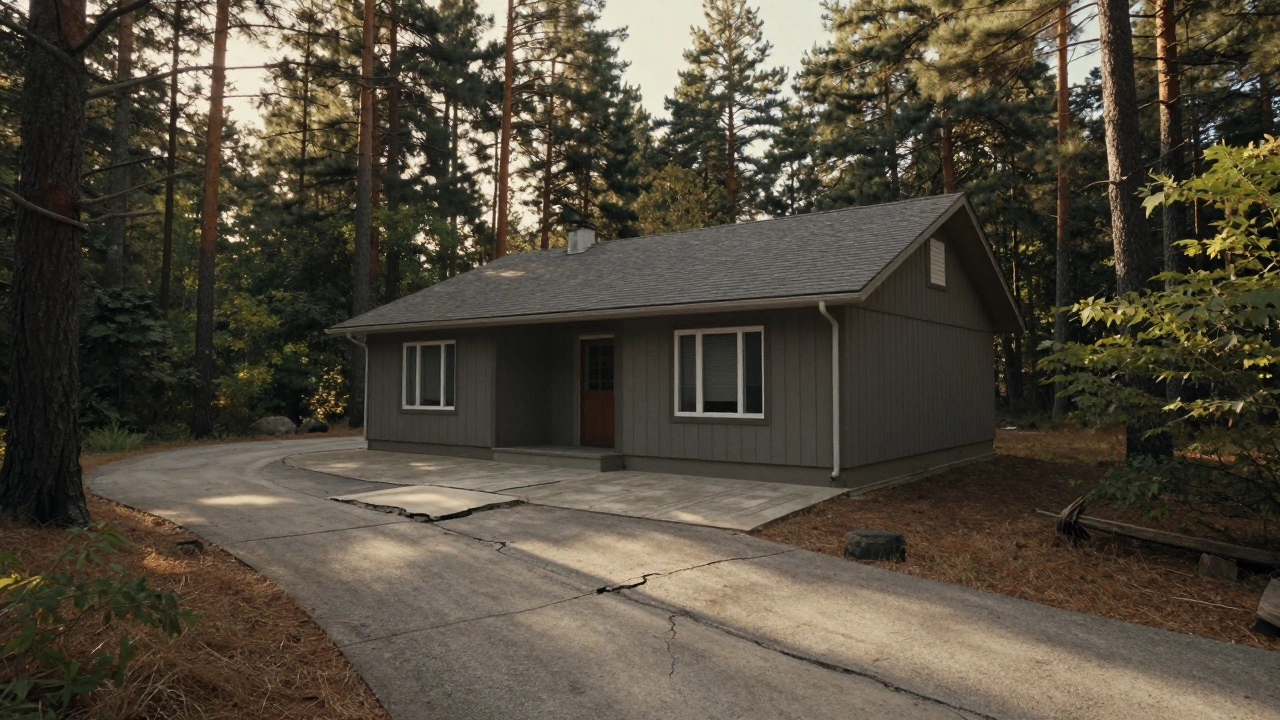
And it doesn’t stop at emissions. Concrete production uses huge amounts of water and crushes limestone from ancient quarries that took thousands of years to form. Once poured, concrete doesn’t biodegrade. It just sits there for centuries, breaking into dust that can leach lime into soil and waterways. In a cottage built to blend into the forest, concrete driveways and slabs feel like industrial scars.
Virgin Vinyl (PVC): Toxic from Start to Finish
Vinyl flooring, siding, and window frames are marketed as low-maintenance and waterproof. But behind that shiny surface is a chemical nightmare. Virgin vinyl is made from polyvinyl chloride (PVC), which starts with chlorine gas-a toxic substance produced using mercury in some countries. During manufacturing, it releases dioxins, one of the most dangerous pollutants known to science.
When installed in your cottage, PVC can off-gas phthalates and other endocrine disruptors, especially in warm rooms or under direct sunlight. These chemicals don’t just disappear. They cling to dust, get tracked into beds, and end up in children’s toys and food. And when it’s time to replace it? PVC can’t be recycled properly. Most ends up in landfills, where it breaks down slowly and releases more toxins into the soil and groundwater.
Pressure-Treated Lumber: Chemical-Coated Wood
You might think wood is always a green choice. But pressure-treated lumber? Not so much. For decades, wood was soaked in chromated copper arsenate (CCA), a mix of chromium, copper, and arsenic, to keep bugs and rot away. Even though CCA was banned for residential use in the U.S. and Canada in 2003, you’ll still find it in older cottages and some imported materials today.
Modern alternatives like ACQ (alkaline copper quaternary) or copper azole are less toxic-but they still contain copper, which doesn’t break down. When this wood decays or is burned, copper leaches into the soil and can poison aquatic life. And if you’re building a deck or porch near a lake or stream, those chemicals can wash right into the water. In a cottage meant to be a retreat from pollution, you don’t want your own structure poisoning the land around it.
Mineral Wool and Fiberglass Insulation: Particles in the Air
Insulation is critical for energy efficiency, but not all insulation is created equal. Fiberglass and mineral wool are common because they’re cheap and fire-resistant. But here’s what most people don’t know: tiny glass or rock fibers can break loose during installation-and even years later, if the insulation settles or gets damaged.
These fibers float into the air. Inhaling them can irritate your lungs, skin, and eyes. Long-term exposure is linked to respiratory issues. And while manufacturers say they’re safe once installed, that’s only true if the insulation is perfectly sealed. In older cottages with gaps, drafts, or DIY repairs, those fibers escape. Plus, both materials are made from sand and rock melted at extremely high temperatures, using coal or natural gas. That’s a huge energy footprint just to keep your cottage warm.
Traditional Paints and Sealants: VOCs You Can’t See
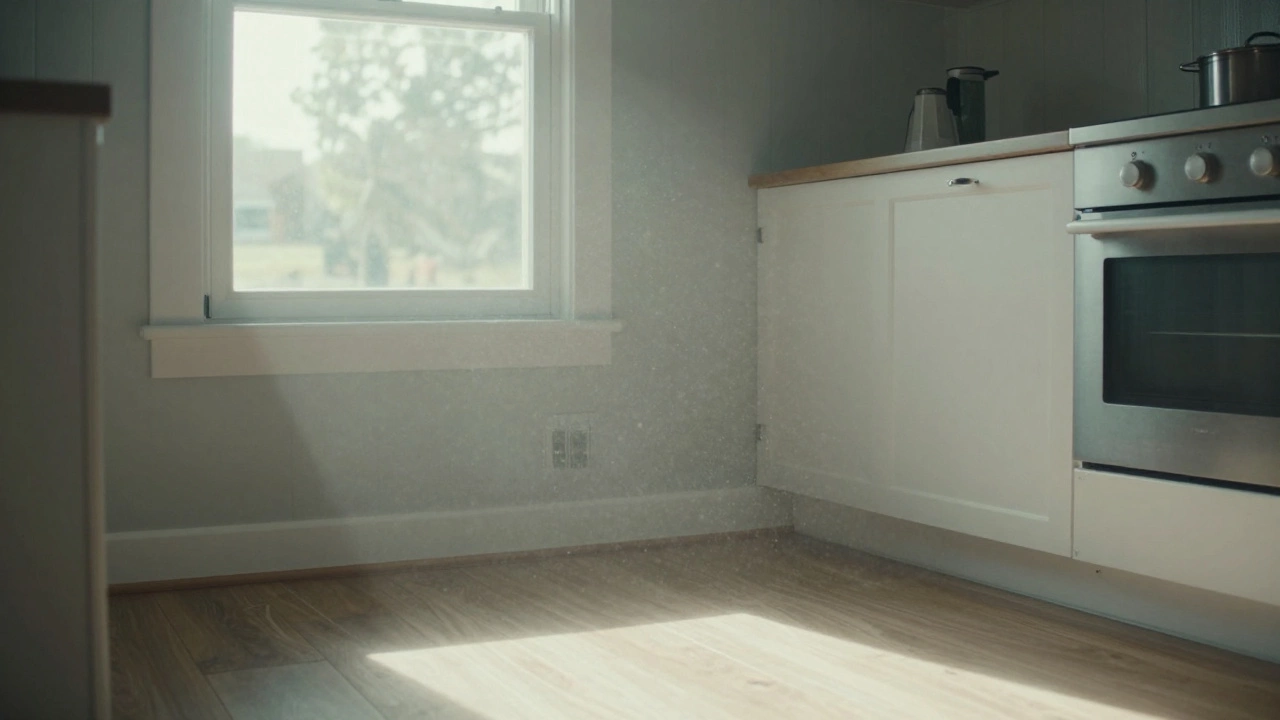
Paint is one of the easiest ways to change the look of a cottage. But standard paints? They’re loaded with volatile organic compounds (VOCs). These chemicals evaporate into the air as the paint dries-and they keep releasing for months, even years. Formaldehyde, benzene, toluene: these are all common in cheap paints and sealants.
They cause headaches, dizziness, and long-term damage to the liver, kidneys, and nervous system. In a small, well-insulated cottage, VOCs don’t escape easily. They build up. You wake up with a stuffy nose, sore throat, or fatigue-even if you’re surrounded by trees. And when you repaint? You’re just adding more toxins to the cycle. Low-VOC and zero-VOC paints exist, but they’re often overlooked because they cost a little more.
Asbestos: The Ghost in the Walls
If your cottage was built before the 1980s, asbestos might still be hiding in the insulation, floor tiles, pipe wrapping, or even the plaster. Asbestos was prized for being fireproof and cheap. But when disturbed-during renovation, drilling, or even just aging-it releases microscopic fibers into the air. Inhaling them can lead to mesothelioma, lung cancer, or asbestosis decades later.
There’s no safe level of exposure. Even if the asbestos is sealed under paint or drywall, any repair work can release it. Testing for asbestos costs a few hundred dollars. Removing it safely costs thousands. But leaving it alone? That’s gambling with your health and your family’s future. In a cottage meant to be a sanctuary, asbestos is a silent threat you can’t afford to ignore.
Plastic Pipes and Fittings: Microplastics in Your Water
Most cottages use PVC or PEX plastic pipes for water supply. They’re easy to install and cheaper than copper. But plastic pipes aren’t inert. Over time, especially with hot water or UV exposure, they break down and shed microplastics into your drinking water.
Studies have found microplastics in 94% of tap water in the U.S. and Canada. While the long-term health effects are still being studied, we know these particles carry chemicals like BPA and phthalates. In a cottage where you drink water straight from the tap or well, you’re consuming plastic every day. And when those pipes are replaced, they don’t biodegrade. They end up in landfills, where they break into smaller and smaller pieces-eventually reaching rivers, lakes, and oceans.
What to Use Instead
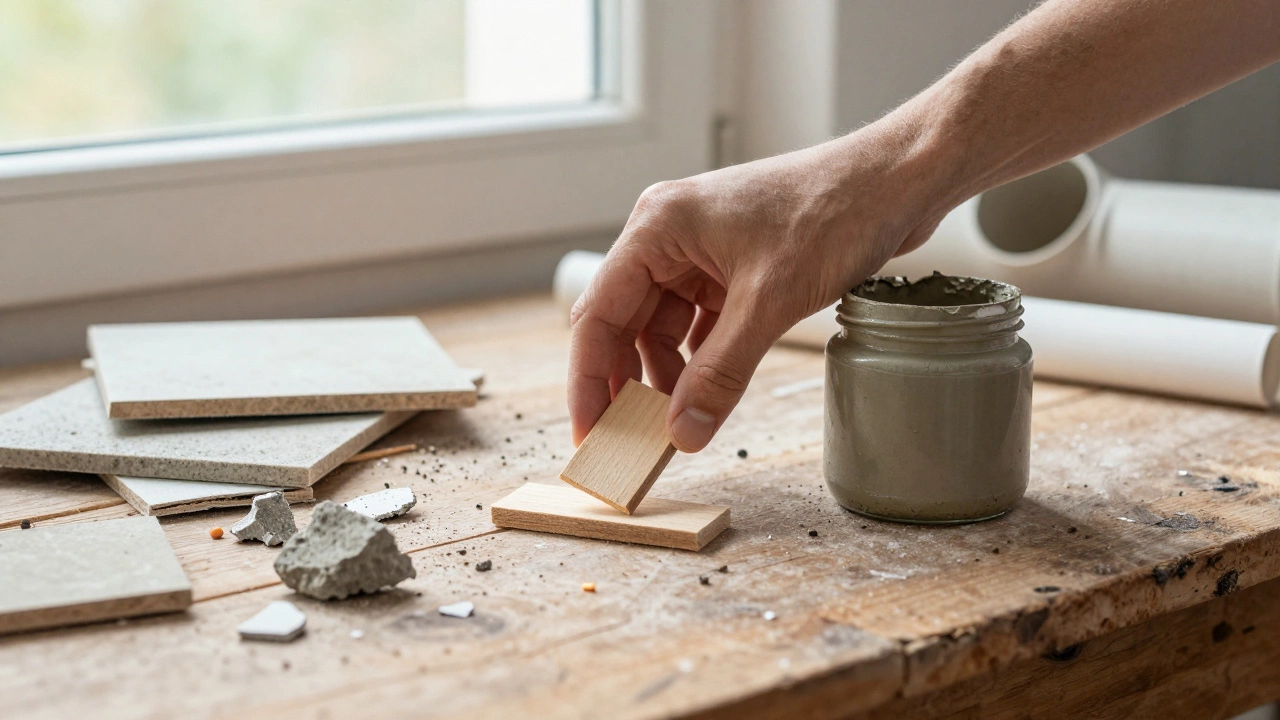
It’s not about avoiding all modern materials. It’s about choosing better ones. For foundations, try structural insulated panels (SIPs) or recycled concrete aggregate. For insulation, go with cellulose (recycled newspaper), wool, or cork. Use FSC-certified wood instead of pressure-treated lumber. Pick clay-based plasters, lime paints, or natural oil finishes instead of synthetic paints. For plumbing, copper or PEX with a carbon filter is better than standard plastic.
These materials cost more upfront-but they last longer, don’t poison your air, and won’t haunt the environment after you’re gone. In a cottage built to reconnect you with nature, every material choice should honor that goal.
Why It Matters Beyond Your Property Line
Building an eco-friendly cottage isn’t just about your comfort. It’s about the ripple effect. Every ton of concrete you avoid saves a metric ton of CO₂. Every PVC window you skip means less dioxin in the air. Every non-toxic paint you choose keeps chemicals out of groundwater.
When you choose materials that don’t harm the earth, you’re not just building a home-you’re helping restore it. And in places like the Canadian Rockies or the coastal forests of British Columbia, where clean air and water are already under pressure, those choices matter more than ever.
Are all types of wood eco-friendly?
No. Only wood that’s certified by the Forest Stewardship Council (FSC) or similar programs is truly sustainable. Untreated, locally sourced wood from responsibly managed forests is best. Pressure-treated, imported, or old-growth wood harms ecosystems and often involves high transportation emissions.
Can I recycle old non-eco-friendly materials?
Some can, but it’s hard. Concrete can be crushed and reused as aggregate. Metal and some plastics can be recycled. But PVC, asbestos, and treated wood usually can’t be recycled safely. They often need to be disposed of as hazardous waste, which costs more and requires special handling. Prevention is better than recycling.
Is steel a good alternative to concrete?
Steel has a high carbon footprint during production, but it’s 100% recyclable without losing strength. If you use recycled steel-especially from local sources-it can be a better long-term choice than virgin concrete. Just avoid using it for everything; overuse adds unnecessary weight and energy use to your build.
What’s the most eco-friendly insulation?
Cellulose insulation, made from recycled newspaper treated with borax, is one of the best. It’s non-toxic, has low embodied energy, and performs well in cold climates. Wool insulation is another excellent option-it naturally regulates humidity and is renewable. Both are far better than fiberglass or mineral wool.
Do eco-friendly materials cost more?
Sometimes upfront, yes. But over time, they save money. Natural insulation like wool or cellulose lasts longer and doesn’t degrade. Low-VOC paints don’t need repainting as often. Sustainable wood doesn’t rot or warp. You’ll spend less on repairs, energy bills, and health issues. The real cost is in ignoring them.
Final Thought: Build With Intention
You didn’t buy land in the woods to live like a city dweller. You wanted quiet, clean air, and a space that feels alive. That means choosing materials that don’t fight against nature-they work with it. Every choice you make-from the foundation to the paint-leaves a mark. Make sure it’s one that helps, not harms.