What Does Self-Catering Property Mean? A Simple Guide for Travelers
Self-Catering Cost Calculator
Calculate your potential savings when choosing self-catering accommodation over hotels. Enter your travel details below to see how much you could save on meals and additional costs.
Results will appear here after calculation
When you see the words self-catering property on a booking site, it might sound fancy or confusing. But it’s actually one of the most practical ways to stay on vacation - especially if you’re traveling with family, friends, or just want to save money. So what does it really mean? Simple: a self-catering property is a place to stay where you cook your own meals. No restaurants, no room service, no set meal times. You bring your own food, shop local, and eat when you want.
It’s Not a Hotel - It’s Your Home Away From Home
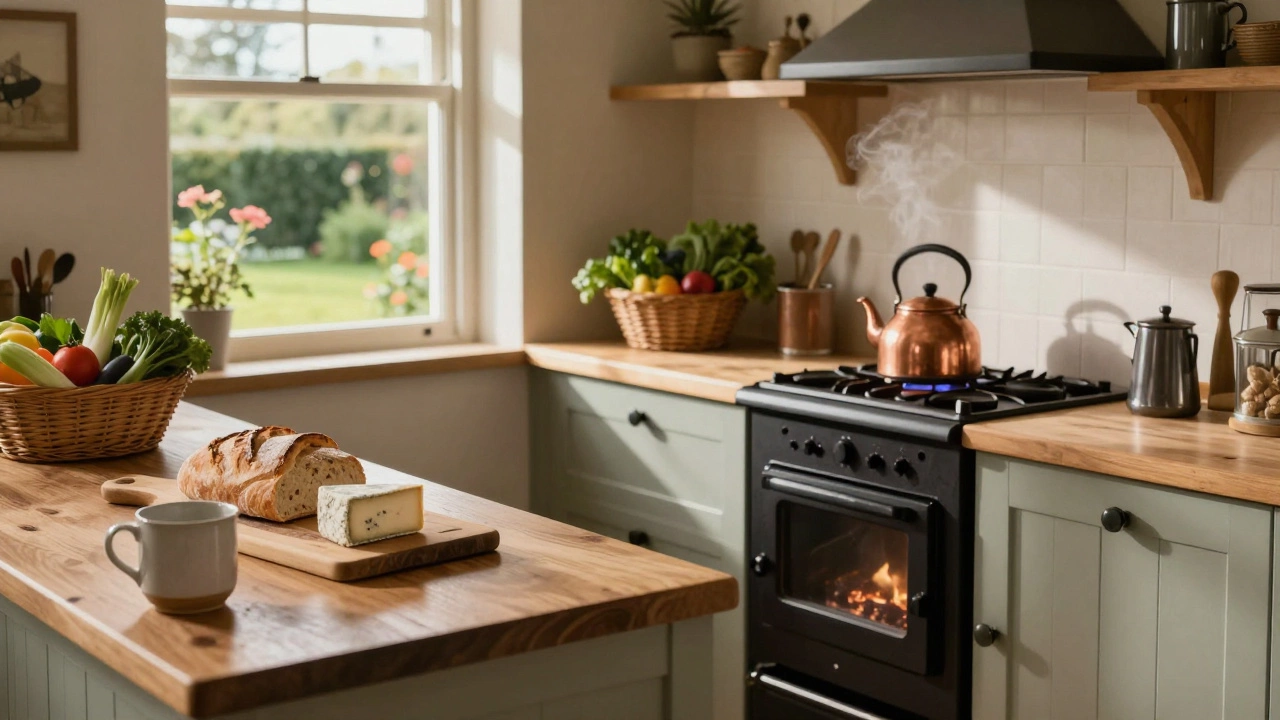
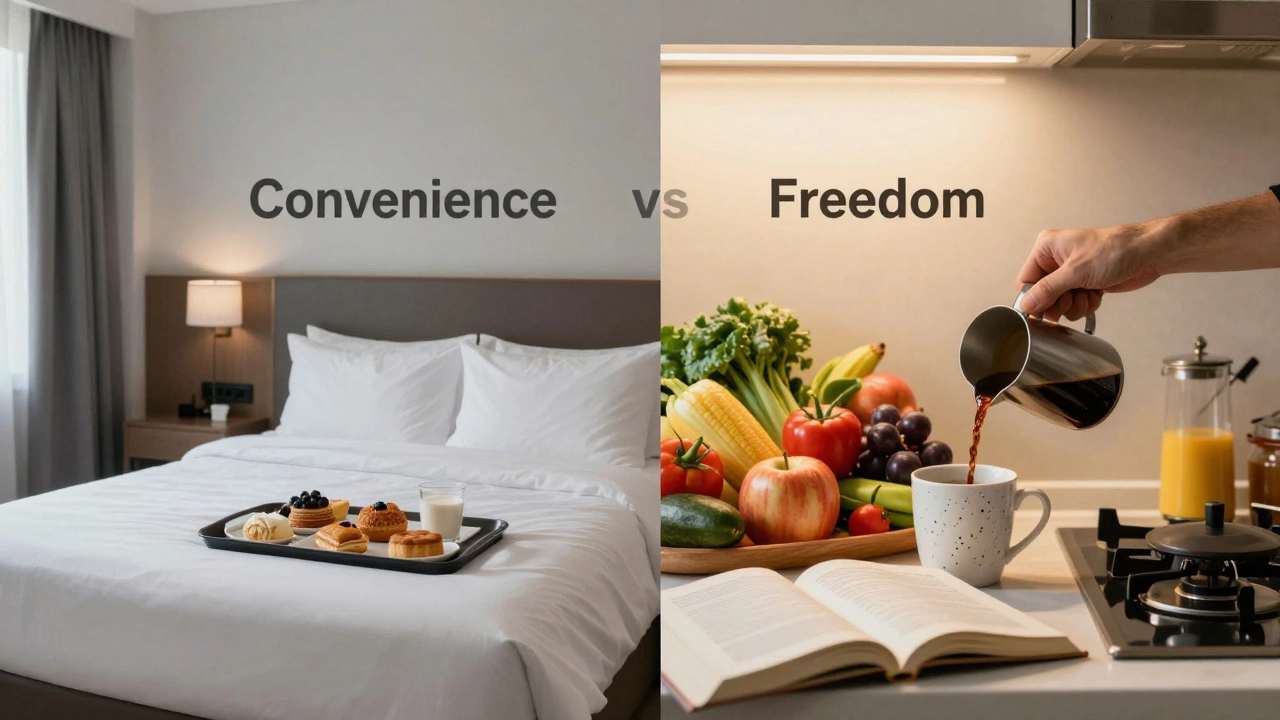
Think of a hotel room. You get a bed, a bathroom, maybe a TV. But you don’t have a kitchen. You’re stuck with whatever the hotel serves for breakfast, and dinner means ordering in or going out. A self-catering property is different. It comes with a full kitchen: stove, fridge, microwave, pots, pans, plates, even spices. Some even have dishwashers, coffee makers, and outdoor grills. You’re not just renting a room - you’re renting a home.This matters because it changes how you travel. You can wake up late and make pancakes. You can buy fresh bread and cheese from a local market and eat it on the porch at sunset. You can cook pasta after a long hike instead of hunting for a restaurant that’s still open. It’s freedom - and it’s why so many families and groups choose self-catering cottages over hotels.
What’s Usually Included?
Not every self-catering property is the same, but most include these basics:- Full kitchen with cooking utensils and storage
- Bedroom(s) with real beds and linens
- Bathroom(s) with towels and toiletries
- Living area with seating and TV
- Laundry facilities (washer and dryer, or a clothesline)
- Outdoor space - patio, garden, or balcony
Some places go further. You might find fire pits, hot tubs, board games, or even bikes to borrow. But the one thing you won’t find is breakfast served in the morning. That’s the whole point - you’re in charge of your meals.
Why Choose Self-Catering Over a Hotel?
Let’s be real: hotels are easier. You roll in, get a key, and someone else handles the food. But here’s why self-catering wins for most travelers:- Save money - Eating out for every meal adds up fast. Cooking even two meals a day can cut your food costs by half.
- More space - A self-catering cottage often has more square footage than a hotel room. You get separate living and sleeping areas. Great for families or groups.
- Flexibility - No curfews. No noise restrictions. You can cook at midnight if you’re hungry. You can sleep in. You can leave the dishes until tomorrow.
- Local experience - You shop at farmers’ markets. You try regional ingredients. You cook like a local. It’s a deeper way to experience a place.
- Special diets - Gluten-free? Vegan? Allergic to shellfish? You control what goes in your food. No more asking servers if the sauce contains dairy.
One traveler from Toronto told me she booked a self-catering cottage near Lake Louise for her daughter’s 10th birthday. They brought their own cake, cooked pizza on the grill, and watched the stars from the backyard. She said it was the best birthday they’d ever had - because it felt real, not staged.

What’s Not Included? Watch Out for These
Just because it’s called “self-catering” doesn’t mean everything’s provided. Here’s what you often need to bring or pay extra for:- Food and drinks - Obviously. You’re not getting a fridge full of snacks.
- Towels and linens - Some places charge extra for these. Always check.
- Cleaning - Most require you to leave the place clean. Some charge a cleaning fee. Others expect you to do it yourself.
- Wi-Fi or parking - Not guaranteed. Some rural cottages have spotty internet. Parking might be limited.
- Heating or air conditioning - Especially in older cottages. You might need to turn on the wood stove manually.
Always read the listing carefully. Look for phrases like “guests must provide own towels” or “cleaning fee of $75 applies.” Don’t assume. Ask if you’re unsure.
Where to Find Self-Catering Properties
You’ll find them everywhere - from mountain cabins in the Rockies to seaside cottages on the Atlantic coast. Popular platforms include Airbnb, Vrbo, Booking.com, and local rental agencies. But here’s a tip: search for “self-catering cottage” instead of just “cottage.” That filters out places that only offer bed and breakfast.Some regions have their own networks. In the UK, you’ll find lots of “self-catering holiday cottages” listed through companies like National Trust Cottages or Cottages.com. In Canada, look for properties marked as “fully equipped kitchen” or “kitchenette with full appliances.”
Who Is It Best For?
Self-catering isn’t for everyone. Here’s who it works best for:- Families - Kids can eat when they’re hungry. You can make their favorite snacks.
- Groups of friends - Split the cost. Cook together. Make it a party.
- Long-term stays - If you’re working remotely or visiting family for a week, you’ll thank yourself for having a kitchen.
- Health-focused travelers - Control your diet. Avoid processed hotel food.
- Budget travelers - Save hundreds on meals over a week.
It’s less ideal if you’re traveling solo for just one night and want to be pampered. Or if you’re exhausted after a long flight and just want someone to bring you a drink. But for most other cases? It’s the smarter, more rewarding choice.
Pro Tips for First-Timers
Planning your first self-catering trip? Here’s what works:- Make a grocery list before you arrive. Check what’s in the kitchen first - some places have basics like salt, oil, or coffee.
- Buy local. Visit a farmers’ market. Try regional cheeses, bread, or honey. It’s part of the experience.
- Bring reusable containers. Store leftovers. Pack snacks for day trips.
- Know the trash schedule. Some rural areas only collect trash once a week. Don’t let it pile up.
- Test the stove. Is it gas? Electric? Does the oven heat evenly? Don’t wait until dinner time to find out.
One couple from Vancouver rented a self-catering cabin in the Okanagan. They forgot to check if the fridge was cold. When they opened it, the milk was warm. They spent the first night buying ice and eating cold cereal. Lesson learned: always test the basics.
Final Thought: It’s Not Just a Rental - It’s a Way to Travel
A self-catering property isn’t just about saving money or having a kitchen. It’s about taking control of your vacation. You decide when to eat, what to eat, and how to spend your time. You’re not just staying somewhere - you’re living there, even if it’s just for a few days.That’s why people keep coming back. Not because it’s cheaper. Not because it’s easier. But because it feels more like home - and that’s what real travel is all about.
Is a self-catering property the same as a vacation rental?
Almost always, yes. The term "vacation rental" is broad - it includes everything from studio apartments to beach houses. But if it has a full kitchen and you’re expected to cook your own meals, then it’s a self-catering property. Not all vacation rentals are self-catering - some are bed and breakfasts or hotel-style units without kitchens.
Do self-catering cottages have Wi-Fi and heating?
It depends on the property. Most modern self-catering cottages include Wi-Fi and heating, especially in places like Canada or the UK where weather matters. But older or remote cabins might not. Always check the listing details. If it’s not mentioned, contact the owner before booking.
Can I bring my pet to a self-catering property?
Some do, some don’t. Many self-catering properties are pet-friendly, especially in rural or countryside areas. But always look for the pet policy. Some charge extra fees. Others require proof of vaccinations. Never assume - always ask.
Are self-catering properties clean and safe?
Reputable platforms like Airbnb and Vrbo require hosts to follow cleaning standards. Most properties are professionally cleaned between guests. But since you’re staying in a private home, standards can vary. Read recent reviews for notes on cleanliness. Look for mentions of fresh linens, sanitized kitchens, and working smoke detectors.
What if I don’t know how to cook?
You don’t need to be a chef. Many people use self-catering properties just to make sandwiches, heat up soup, or grill burgers. You can also buy pre-made meals from local delis or grocery stores. The point isn’t to cook gourmet meals - it’s to have the freedom to eat what you want, when you want.
Are self-catering properties more expensive than hotels?
Not necessarily. The nightly rate might be higher than a basic hotel room, but when you factor in meals, parking, and extra fees, self-catering often costs less overall. For families or longer stays, it’s almost always cheaper. One week in a hotel with breakfast and dinner out could cost $1,200. The same week in a self-catering cottage might be $800 - plus you saved $300 on food.
What to Do Next
If you’re thinking about booking a self-catering property, start by listing what matters most to you: location, budget, number of people, or need for Wi-Fi. Then search using the exact term “self-catering cottage” or “fully equipped kitchen.” Read reviews that mention the kitchen, cleanliness, and ease of check-in. Don’t rush - the right place makes all the difference.And remember - the goal isn’t to find the fanciest place. It’s to find the one where you can relax, eat well, and feel like you’re really there. That’s what self-catering is all about.