What Is the Meaning of Self-Catering Cottages?
Self-Catering Cottage Cost Calculator
Compare your trip costs and see how much you could save by choosing self-catering cottages instead of hotels. Based on data from the article, families often save 40-60% on week-long trips.
Enter Your Trip Details
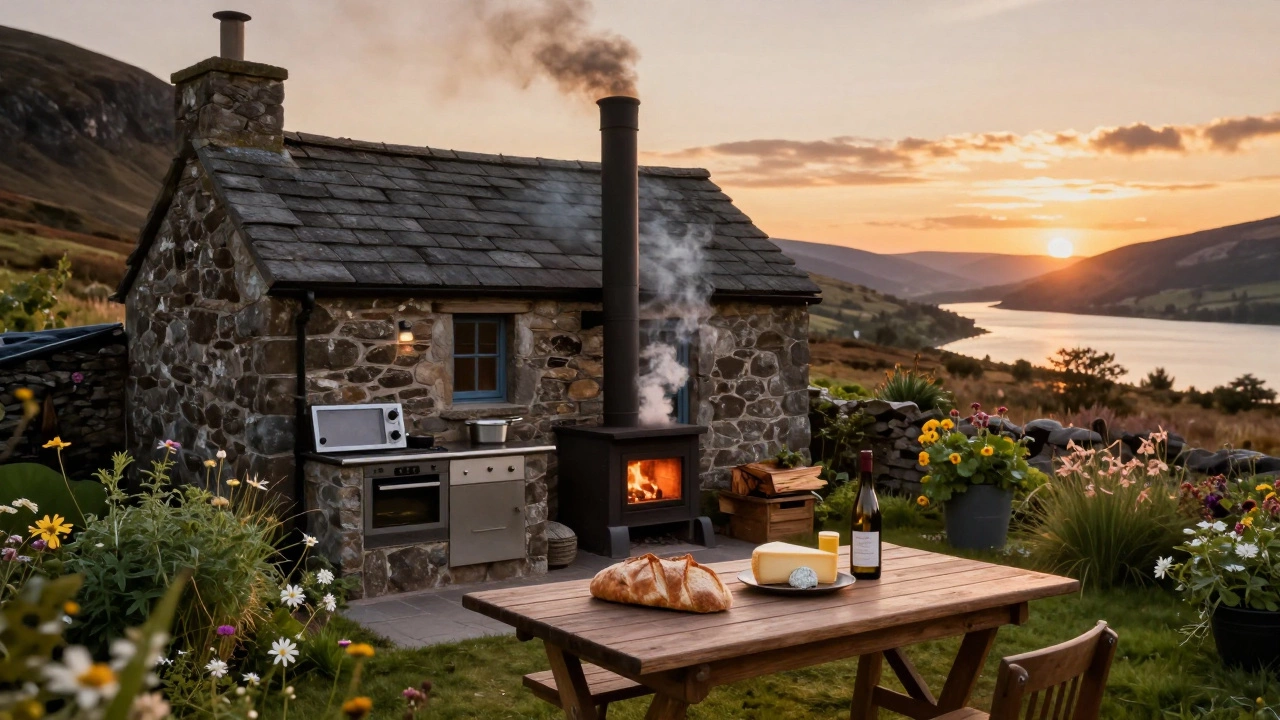
When you hear the term self-catering cottages, you might picture a cozy stone cottage tucked into the hills, with a wood-burning stove and a kitchen full of pots and pans. But what does it actually mean? It’s simpler than you think: a self-catering cottage is a rental home where you cook your own meals. No restaurants. No room service. Just you, your groceries, and a fully equipped kitchen.
What Makes a Cottage "Self-Catering"?
The word "catering" here doesn’t mean fancy service-it means food preparation. So "self-catering" just means you take care of your own meals. These cottages come with everything you need to cook: a stove, oven, fridge, freezer, microwave, pots, pans, utensils, and usually even basic spices. Some even include dishwashers, coffee makers, and dish towels. You bring the food. You make the meals. You clean up afterward.This isn’t just about saving money (though it helps). It’s about control. You decide what to eat, when to eat, and how much to spend. Maybe you’re vegetarian. Maybe your kid won’t touch anything without cheese. Maybe you’re trying to cut down on sugar. In a self-catering cottage, you’re not stuck with hotel menus or tourist traps. You get to live like a local.
How Is It Different from Regular Vacation Rentals?
Not all vacation rentals are self-catering. Some are just rooms with a mini-fridge. Others are luxury villas with staff who bring breakfast every morning. A true self-catering cottage gives you a full kitchen and the freedom to use it. Think of it this way:- A hotel room gives you a bed and maybe a coffee maker.
- A short-term rental might have a kitchen, but no pots.
- A self-catering cottage gives you a kitchen that works like your own-complete with everything you’d find at home.
Many self-catering cottages also come with laundry machines, outdoor seating, fire pits, or even hot tubs. They’re designed for longer stays-think a week or more-not just a weekend. That’s why you’ll often find them in rural areas, near hiking trails, lakes, or quiet coastal towns.
Who Uses Self-Catering Cottages?
Families love them. Why? Because kids can eat at 6 p.m. instead of 7:30 p.m. You can make pancakes for breakfast, leftover pasta for lunch, and grilled veggies for dinner-all without paying extra. You can even let your toddler nap on the living room floor while you sip tea and read.Couples use them for romantic getaways. No noise. No crowds. Just a quiet cottage with a view. You buy local cheese, fresh bread, and wine from the village shop. You eat on the porch under the stars. It feels personal. Real.
Retirees, digital nomads, and people on long-term travel choose self-catering cottages because they’re cheaper than hotels over time. You’re not paying for daily housekeeping, breakfast buffets, or room service you don’t need. You pay once for the whole stay, and your food costs are up to you.
What’s Included in a Typical Self-Catering Cottage?
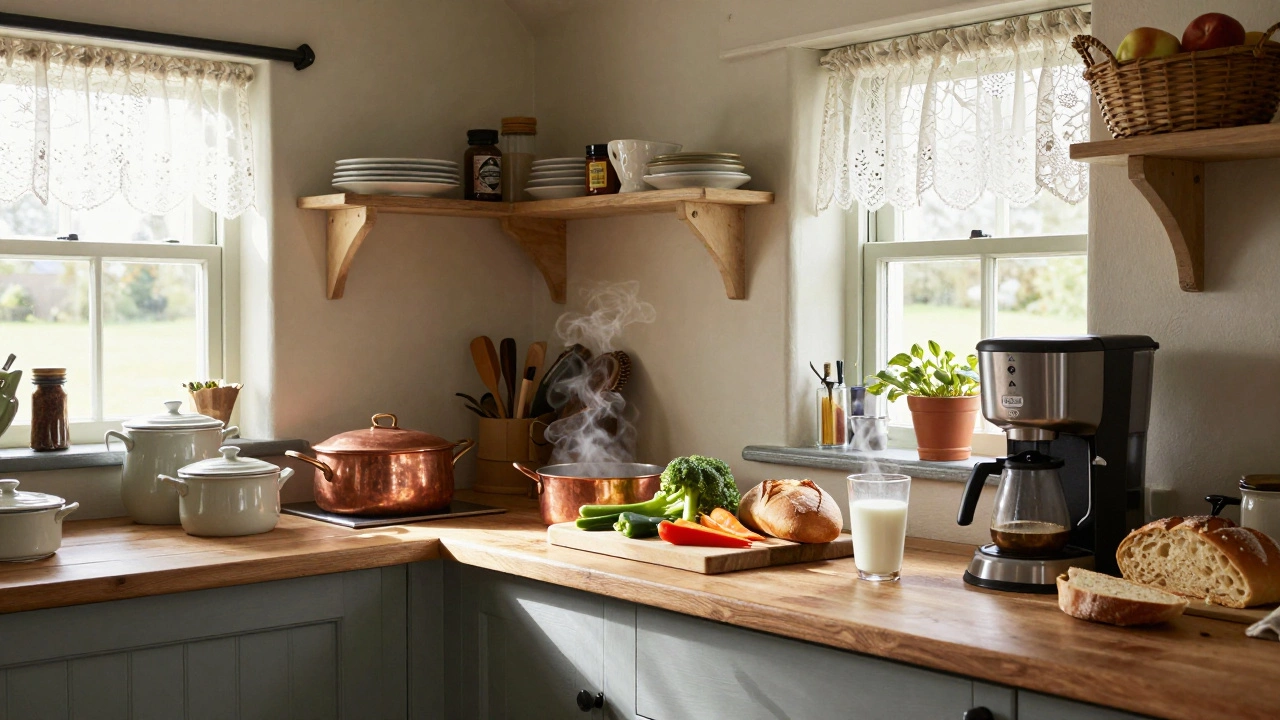
You won’t find the same exact setup everywhere, but most include these essentials:- Full kitchen with stove, oven, fridge, freezer
- Crockery, cutlery, and glassware for the number of guests
- Cooking utensils: pots, pans, spatulas, can opener, knife set
- Basic spices: salt, pepper, oil, sometimes sugar
- Dishwasher or cleaning supplies
- Laundry facilities or machine
- Bed linens and towels
- Wi-Fi and TV (not always, but common)
- Outdoor space: garden, patio, or balcony
Some go further. High-end self-catering cottages include espresso machines, wine chillers, outdoor BBQs, or even private hot tubs. Others are rustic-think wood stoves and well water. The key is that the kitchen works. You don’t have to guess whether you’ll be able to make tea.
Why Choose Self-Catering Over Hotels?
Let’s be honest: hotels are easy. You show up. You get a key. You eat what’s on the menu. But they’re expensive for long stays. And they’re not always quiet. Or private. Or flexible.Self-catering cottages give you:
- Lower cost per night-especially if you’re staying more than three nights.
- More space-you get a whole house, not just a room.
- More privacy-no hallway small talk, no elevator small talk.
- More control-you decide the schedule, the food, the noise level.
- More authenticity-you shop at local markets, cook with regional ingredients, and live like the people who live there.
One family we talked to stayed in a self-catering cottage in the Scottish Highlands for two weeks. They bought fresh salmon from a fishmonger down the road, cooked it with herbs from their garden, and ate dinner while watching the sunset over the loch. "We didn’t eat out once," they said. "And we spent less than half what we would’ve paid at a hotel with breakfast included."
Where Can You Find Self-Catering Cottages?
They’re everywhere-but not always labeled clearly. Look for them in:- Rural villages in the UK, Ireland, France, Italy, Spain
- Coastal towns in Portugal, Croatia, Greece
- National parks in Canada, Australia, New Zealand
- Mountain regions in Switzerland, Austria, the Rockies
Platforms like Airbnb, Vrbo, Booking.com, and local rental agencies list them. But the best ones? They’re often found through small, independent operators-local families who rent out their grandmother’s old cottage. Search for phrases like "self-catering holiday cottage" or "fully equipped cottage rental" instead of just "vacation rental."
What to Watch Out For
Not every listing is honest. Some say "self-catering" but only have a microwave and a mini-fridge. Others charge extra for towels or cleaning. Here’s what to check before booking:- Does the listing show photos of the kitchen? If not, ask.
- Is there a list of included items? (Pots? Pans? Coffee maker?)
- Are cleaning fees or linen charges hidden?
- Is there a minimum stay? (Some require 7 nights.)
- Are you expected to clean everything before leaving? (Usually yes.)
Also, check the local grocery options. If the nearest supermarket is 20 miles away, you’ll want to stock up before you arrive. Some cottages even offer grocery delivery services-just ask.
Is Self-Catering Right for You?
It’s perfect if you:- Want to save money on long stays
- Have dietary needs or picky eaters
- Enjoy cooking or want to try local recipes
- Value privacy and quiet
- Are traveling with kids, pets, or a group
It’s not ideal if you:
- Want to be waited on
- Don’t know how to cook
- Are only staying one or two nights
- Prefer the convenience of room service
At the end of the day, self-catering cottages aren’t just about saving cash. They’re about slowing down. About choosing your own rhythm. About eating food you made yourself, in a place that feels like home-even if it’s miles away.
Are self-catering cottages cheaper than hotels?
Yes, for stays longer than three nights. Hotels charge daily rates that include services you may not use-like daily cleaning or breakfast. Self-catering cottages charge a flat weekly or nightly rate with no hidden fees. You pay for your food separately, which often ends up costing less than eating out every meal. Families often save 40-60% by choosing a self-catering cottage over a hotel for a week-long trip.
Do self-catering cottages have Wi-Fi?
Most do, especially in Europe, North America, and Australia. But some rural or historic cottages-especially those in national parks or remote areas-may have weak or no signal. Always check the listing or ask the owner before booking if you need reliable internet for work or streaming.
Can I bring my pet to a self-catering cottage?
Many do allow pets, but not all. Always look for listings that specifically say "pet-friendly" or ask the owner directly. Some charge a small pet fee, others require proof of vaccinations. If you’re traveling with a dog, look for cottages with fenced gardens or nearby walking trails.
Do I need to clean the cottage before I leave?
Yes, almost always. Self-catering cottages expect guests to leave the place tidy: wipe counters, wash dishes, take out trash, and make the beds. Some charge a cleaning fee if you don’t. A quick 30-minute tidy-up before you leave usually avoids extra charges. Check the house rules-they’re usually clear about expectations.
Are self-catering cottages good for families?
They’re one of the best options. You get multiple bedrooms, a living area, a kitchen, and often outdoor space. Kids can nap on the sofa, play in the garden, or eat snacks whenever they want. Parents can cook meals that suit everyone’s tastes. No need to rush to restaurants or deal with noisy dining rooms. It’s calmer, more flexible, and often more affordable than a family hotel.
Final Thought: It’s Not Just a Cottage-It’s a Way to Travel
Self-catering cottages aren’t about avoiding hotels. They’re about choosing a different kind of travel experience. One where you wake up to the sound of birds, not a bellhop. Where dinner is made from ingredients you picked up at a farmers market. Where you don’t have to tip anyone, but you still feel like you’re part of the place.It’s not luxury. It’s not convenience. But it’s real. And for many, that’s exactly what they’ve been looking for.