What Is the Most Eco-Friendly Material to Build With for Cottages?
Eco-Cottage Material Selector
Choose Your Cottage Conditions
Recommended Eco-Friendly Material
Why this material?
Key Benefits:
When you’re building a cottage that feels like it belongs to the land-not just sitting on it-the material you choose makes all the difference. It’s not just about looks or cost. It’s about what happens after the nails are driven, the paint dries, and the chimney starts smoking. What’s left behind? What did it take to get here? And will it return to the earth without leaving a scar?
Reclaimed Wood: The Quiet Hero
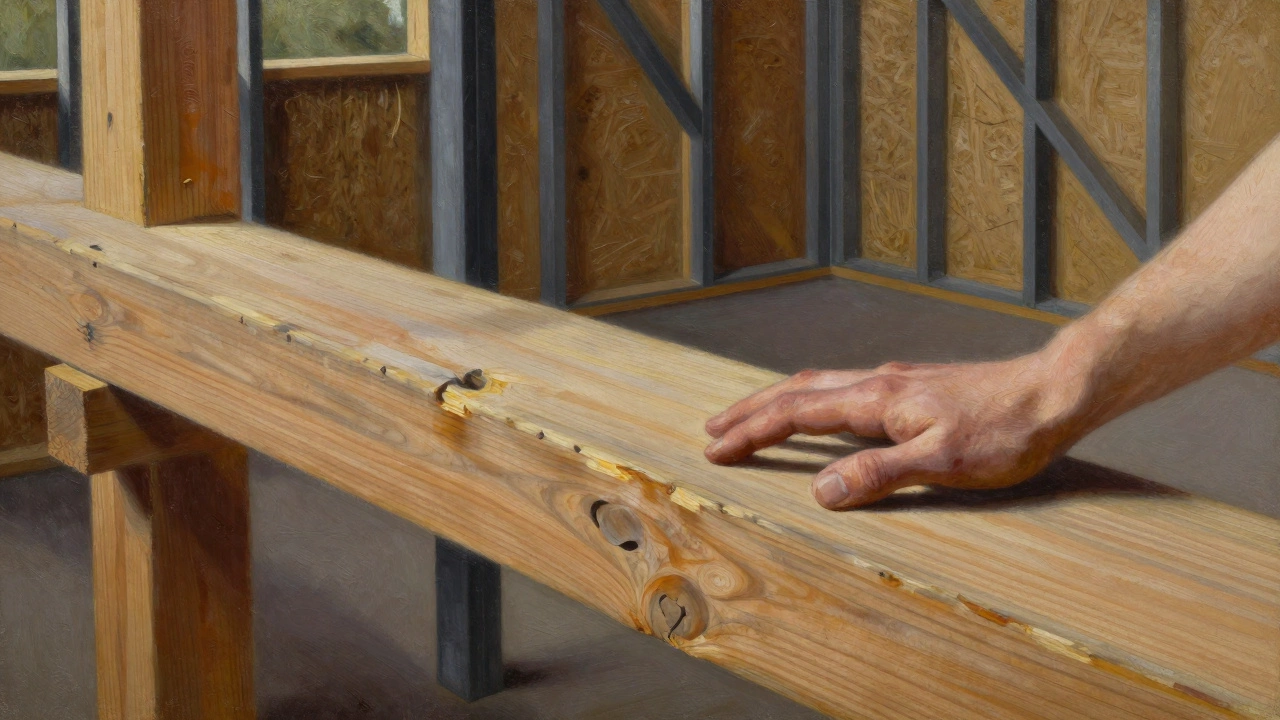
Reclaimed wood isn’t just rustic charm with a story. It’s carbon that stayed put. Every board salvaged from an old barn, factory, or railway tie keeps that carbon locked away instead of releasing it into the air when new trees are cut and processed. A single cubic meter of reclaimed timber saves about 1.5 tons of CO₂ compared to virgin lumber, according to the Forest Stewardship Council.
Think about it: you’re not just using wood-you’re giving a second life to something that already existed. Reclaimed Douglas fir from 19th-century warehouses in British Columbia, or heart pine from demolished Southern mills, still has the density and strength of old-growth trees. No new trees were felled. No new sawmills fired up. No new truckloads of logs rolled down highways.
And here’s the kicker: reclaimed wood often performs better than new lumber. Older trees grew slower, meaning tighter grain and more durability. A floor made from reclaimed oak from a 1920s schoolhouse in Ontario can outlast a new pine floor by decades. It’s not just sustainable-it’s superior.
Bamboo: The Fast-Forward Forest
Bamboo grows faster than any other plant on Earth. Some species grow over a meter a day. That’s not a typo. One hectare of bamboo can produce 20 times more usable material than one hectare of pine forest in the same time. And it doesn’t need replanting-cut it, and it regrows from the same root system.
Bamboo isn’t just fast. It’s strong. Some varieties have a tensile strength greater than steel. Used in structural beams, flooring, and even wall panels, it’s become a go-to for modern eco-cottages in places like Costa Rica and Vancouver’s Sunshine Coast. When treated with natural borax instead of toxic chemicals, it’s non-toxic, mold-resistant, and safe for indoor air quality.
It’s not perfect, though. Transport matters. Bamboo grown in Southeast Asia and shipped across the Pacific adds carbon emissions. That’s why sourcing local bamboo-like the varieties now being farmed sustainably in southern British Columbia-is the smarter choice. Look for FSC-certified bamboo with low-impact processing.
Straw Bale: The Insulation That Breathes
Straw bale construction might sound like something out of a fairy tale, but it’s been used in Nebraska since the 1890s. Today, it’s one of the most effective natural insulators you can build with. A 16-inch straw bale wall has an R-value of about 40-nearly double that of standard fiberglass insulation.
Here’s how it works: bales are stacked like bricks, then covered with a breathable clay or lime plaster. The result? A home that stays warm in winter and cool in summer without HVAC systems running overtime. Plus, straw is a byproduct of grain farming-wheat, rice, or oat straw-that would otherwise be burned or left to rot.
People worry about fire or rot, but real straw bale homes have passed fire tests better than drywall. The tightly packed bales have little oxygen inside, so they don’t burn easily. And when sealed with natural plaster, moisture can’t get in to cause rot. In fact, homes built this way in the Okanagan Valley have stood for over 30 years without structural issues.
Adobe and Rammed Earth: Built by the Ground Itself
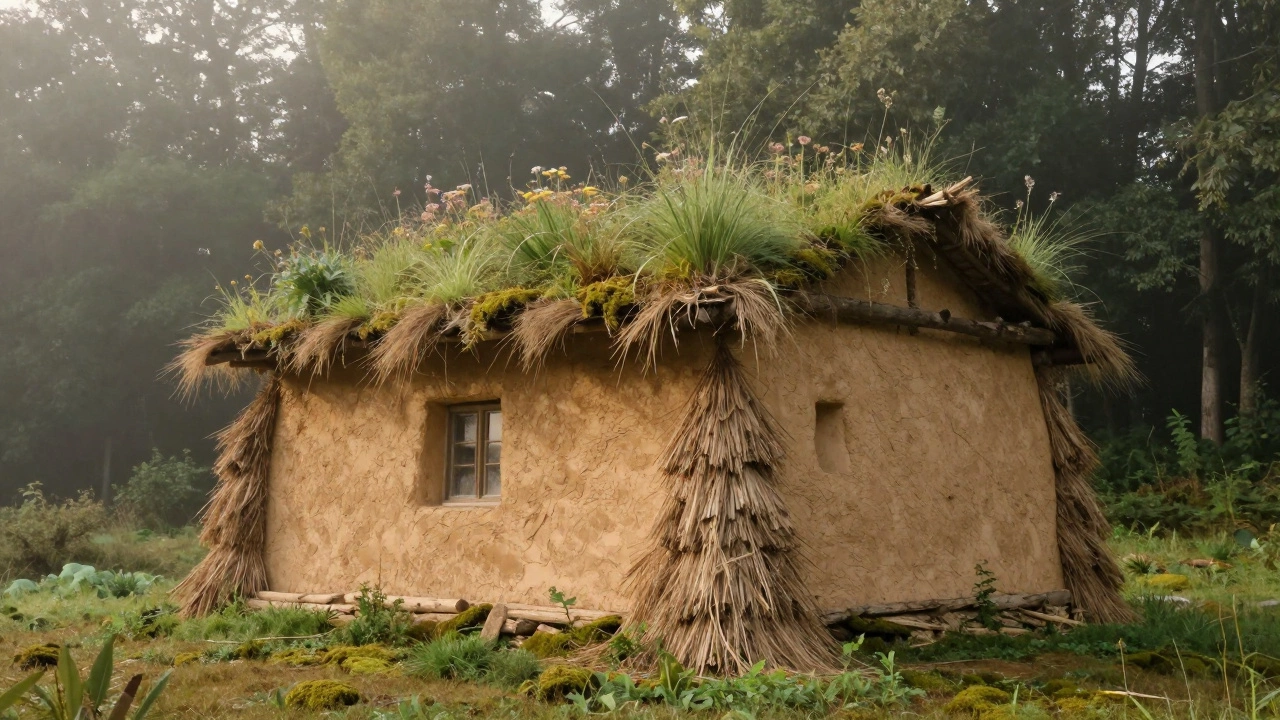
Adobe and rammed earth are ancient techniques that are making a comeback-not because they’re trendy, but because they work. Made from local soil, water, and a little straw or lime, these materials are literally the ground you’re standing on. No mining. No shipping. No manufacturing.
Rammed earth walls are compacted in layers, forming thick, thermal-mass walls that absorb heat during the day and release it slowly at night. In a cottage on the edge of Whistler, a rammed earth wall keeps the interior at a steady 18°C even when it’s -15°C outside. And because it’s made from dirt dug up on-site, the embodied energy is nearly zero.
Adobe bricks are sun-dried, not kiln-fired. That means no fossil fuels burned to harden them. In dry climates, they last for centuries. Even in wetter regions like coastal British Columbia, modern mixes with lime stabilizers can handle rain and freeze-thaw cycles. The biggest advantage? When the cottage is gone, the walls turn back into soil. No landfill. No pollution.
Recycled Steel: The Unexpected Contender
Steel doesn’t sound eco-friendly. It’s heavy. It’s industrial. But recycled steel is different. Steel is the most recycled material on the planet-over 80% of it comes from scrap. Using recycled steel instead of new reduces energy use by 75% and cuts mining waste by 97%.
For cottages in snowy or windy areas, steel framing offers strength without bulk. It doesn’t warp, rot, or attract termites. And because it’s precision-cut in factories, there’s almost no waste on-site. A steel-framed cottage in the Gulf Islands uses 30% less material than a traditional wood frame and lasts over 100 years with minimal maintenance.
It’s not for every cottage. It’s colder to the touch, so it needs good insulation inside. But when paired with natural insulation like cellulose or hempcrete, it becomes a powerhouse of durability and low impact.
Why Not Concrete? Or Standard Lumber?
Concrete is everywhere. But it’s the second-largest source of CO₂ emissions on Earth-after fossil fuels. Making one ton of cement releases about 900 kilograms of CO₂. A typical cottage foundation can use 10 tons of concrete. That’s nearly 9 metric tons of emissions before you even lay a floorboard.
Standard lumber? It sounds natural, but most wood comes from monoculture plantations, clear-cut forests, and long-distance transport. Even FSC-certified wood still requires energy to mill, dry, and ship. It’s better than nothing-but not the best.
The real question isn’t which material is greenest. It’s which one reduces the most harm across its whole life cycle: extraction, transport, use, and end-of-life. That’s where the winners stand out.
Putting It All Together: The Eco-Friendly Material Stack
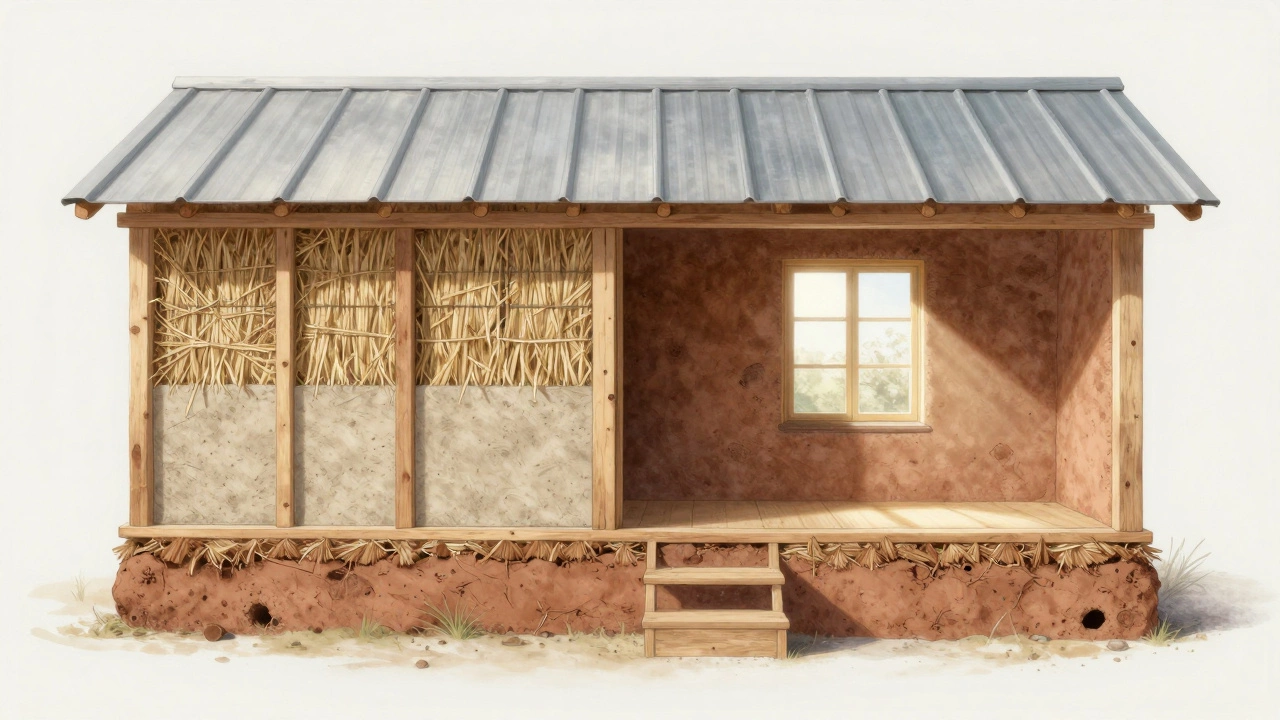
The most sustainable cottage doesn’t rely on just one material. It layers them smartly:
- Foundation: Recycled gravel or rammed earth
- Frame: Reclaimed wood or recycled steel
- Walls: Straw bale or adobe
- Insulation: Hempcrete or cellulose (recycled newspaper)
- Roof: Recycled metal or living roof with native plants
- Finishes: Natural clay plaster, linseed oil, and beeswax
This stack doesn’t just reduce emissions-it creates a healthier home. No VOCs. No off-gassing. Just air that feels clean, and walls that breathe.
What’s the Best Choice? It Depends
There’s no single winner. But if you had to pick one material that does the most good across the board, it’s straw bale. It’s locally available in most rural areas, requires almost no energy to produce, insulates better than anything synthetic, and returns to the earth harmlessly. It’s cheap, simple, and powerful.
But if you’re in a rainy climate like Vancouver, combine it with reclaimed wood framing and a recycled metal roof. If you’re building on rocky ground, go for rammed earth walls. If you want long-term durability without maintenance, lean on recycled steel.
The eco-friendliest material isn’t the one with the greenest label. It’s the one that asks the least from the planet-and gives the most back.
Is bamboo really sustainable if it’s shipped from Asia?
It depends. Bamboo from Southeast Asia has a high carbon footprint due to long-distance shipping. The most sustainable option is locally grown bamboo, like the varieties now being farmed in southern British Columbia. Look for suppliers who use rail or truck transport instead of air freight, and verify FSC certification to ensure responsible harvesting.
Can straw bale homes handle wet climates like Vancouver’s?
Yes, but only with proper design. Straw bale walls must be protected with wide overhangs, raised foundations, and breathable plaster-like lime or clay-that lets moisture escape. Avoid vinyl siding or plastic membranes that trap water. With these precautions, straw bale homes in the Pacific Northwest have lasted over 30 years without rot or mold.
Is reclaimed wood more expensive than new wood?
Sometimes, but not always. Reclaimed wood can cost 20-50% more upfront due to labor-intensive sourcing and milling. But it lasts longer, needs less maintenance, and often has unique character that new wood can’t replicate. Over a 50-year lifespan, the total cost is often lower because you won’t need to replace it.
How do I find eco-friendly builders in my area?
Start with local green building associations like the Canadian Green Building Council or regional eco-construction networks. Ask for builders who have experience with straw bale, rammed earth, or reclaimed materials-not just those who slap on solar panels. Visit their past projects. Talk to homeowners. Real expertise shows in the details, not the brochures.
What’s the most affordable eco-friendly material?
Straw bales and reclaimed wood are often the most budget-friendly options. Straw is cheap-sometimes under $2 per bale if sourced locally. Reclaimed wood can be found for free or low cost at demolition sites or salvage yards. With DIY labor, you can build a small cottage for under $50,000 using these materials, especially if you combine them with natural insulation and finishes.
Next Steps: How to Start Your Eco-Friendly Cottage
Don’t wait for perfection. Start with one change. Swap out new lumber for reclaimed wood on your porch. Use straw bales for an outbuilding first. Talk to a local salvage yard. Visit a rammed earth home tour. The goal isn’t to build the greenest cottage overnight-it’s to build one that leaves less behind than the last.
Every material you choose is a vote-for the trees, the soil, the air. Make it count.