Are Boutique Hotels More Expensive? Pricing, Perks, and Trade-offs
Boutique vs. Chain: Value Estimator
Determine which hotel type fits your current trip based on your priorities and budget.
Key Takeaways for Your Budget
- Boutique hotels aren't always more expensive; they vary from budget-friendly to high-end luxury.
- You're paying for a unique atmosphere and personalized service, not just a bed.
- Standardized chains often have more predictable pricing, while boutiques fluctuate based on exclusivity.
- Value depends on whether you prioritize consistency (chains) or character (boutiques).
What Actually Defines a Boutique Hotel?
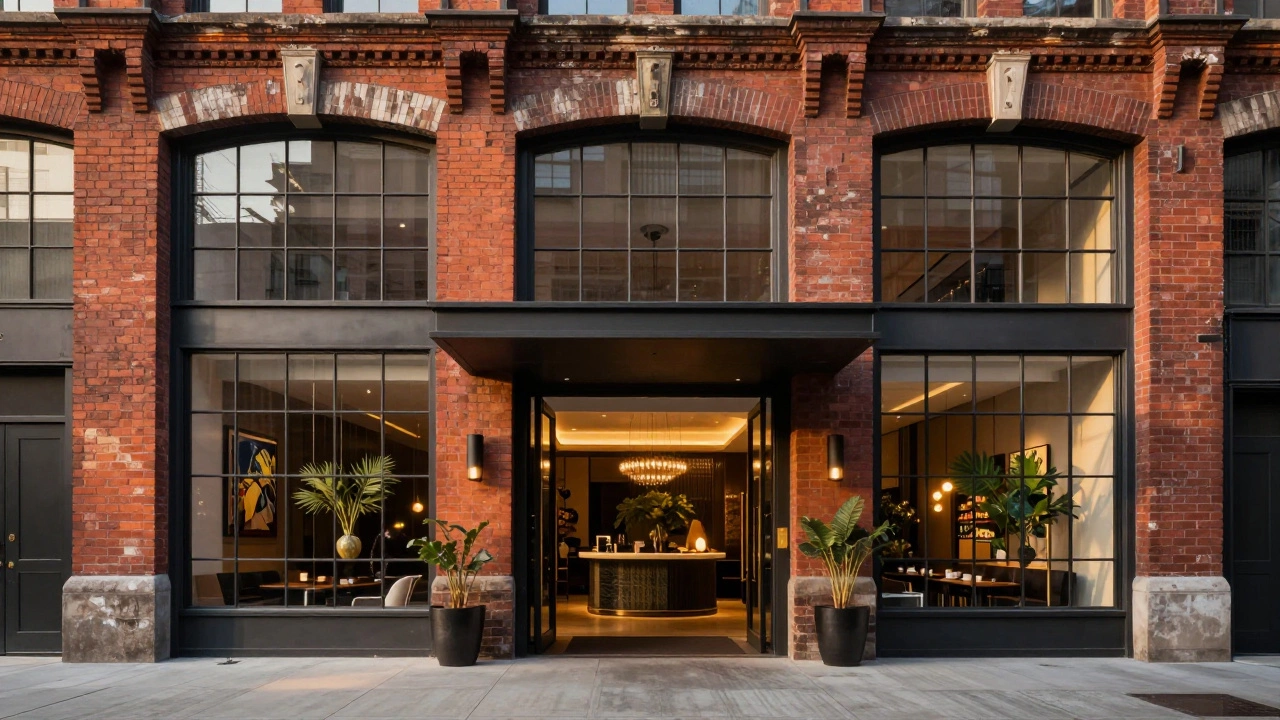
Before we talk money, we need to clear up what we're actually talking about. Boutique Hotels is a category of small, stylish, and typically independently owned hotels that emphasize a unique theme or personalized experience over standardized corporate branding. Unlike a massive Hilton or Marriott, these properties usually have fewer than 100 rooms. This smaller scale is exactly why the pricing can feel so unpredictable. When a hotel only has 20 rooms to sell, they can't rely on the same volume-based pricing models that global chains use.
Think of it like the difference between a fast-food burger and a meal at a local bistro. The fast-food place has a set price because they make a million burgers a day. The bistro has a smaller menu and higher-quality ingredients, so they charge more to cover their costs and maintain that level of detail. That's the core logic behind boutique hotel pricing.
Breaking Down the Cost: Boutique vs. Big Brands
If you compare a mid-range boutique hotel to a mid-range chain, the boutique option often feels pricier. But why? It usually comes down to the "experience premium." In a standard hotel, you know exactly what the towels feel like and where the coffee machine is. In a boutique setting, you're paying for the interior design, the curated playlist in the lobby, and the fact that the staff might actually remember your name.
However, it's a myth that they are always more expensive. There are plenty of "affordable boutique" hotels-often called lifestyle hotels-that target younger travelers. These places strip away the white-glove service but keep the cool design, making them cheaper than a traditional luxury hotel. On the other end, you have "ultra-boutique" properties that are essentially private clubs, where a single night can cost more than a month's rent in a small city.
| Feature | Boutique Hotel | Global Chain Hotel |
|---|---|---|
| Average Price | Highly Variable (Budget to Ultra-Lux) | Consistent (Budget to Luxury) |
| Service Style | Personalized and Intimate | Standardized and Efficient |
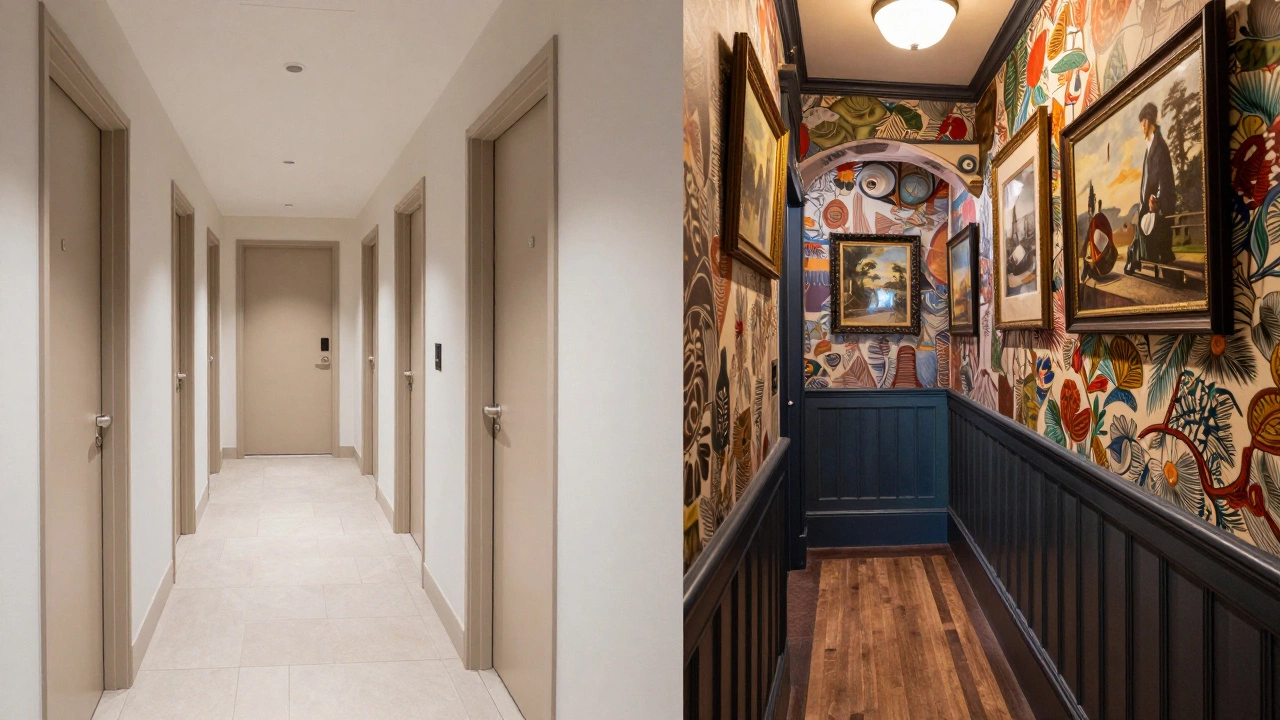
| Room Design | Unique, themed, or artistic | Uniform across locations |
| Loyalty Perks | Rare (usually focused on the guest) | Strong (points and tiered rewards) |
| Atmosphere | Local and culturally integrated | Predictable and neutral |
The "Hidden" Costs and Value Adds
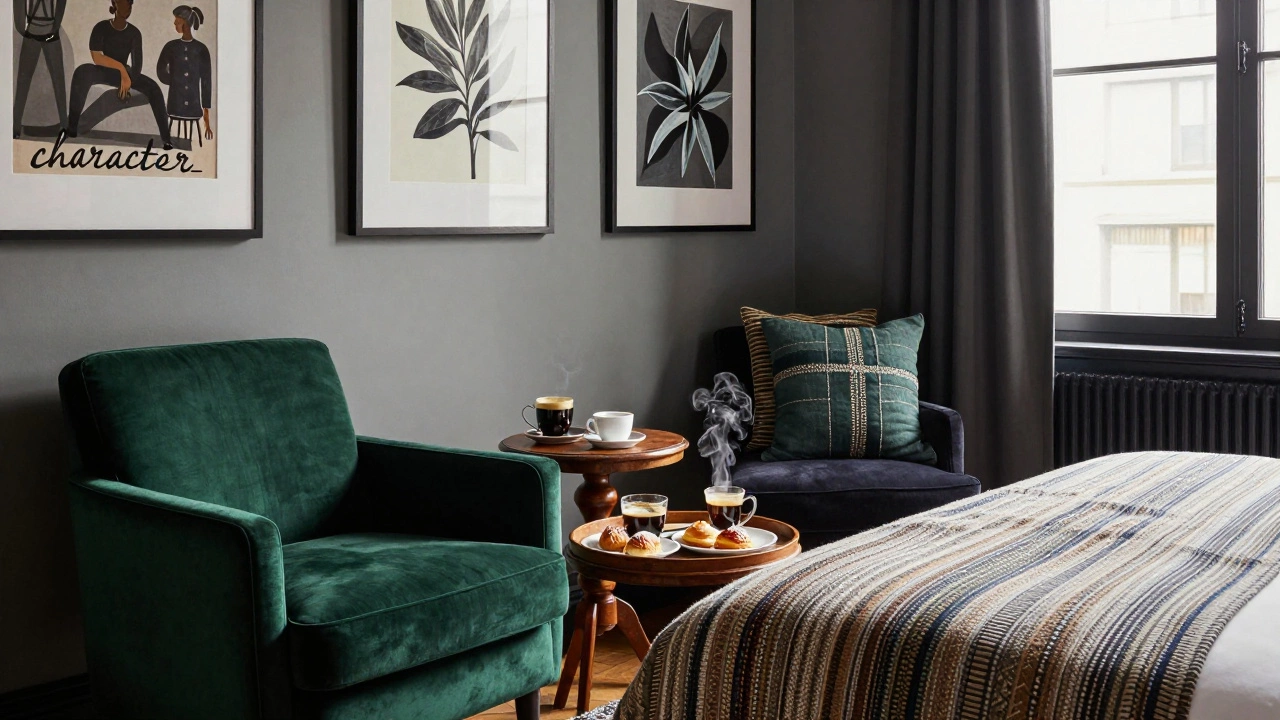
When you see a higher nightly rate at a boutique property, it's helpful to look at what's included. Many boutique hotels bake a lot of the value into the stay. For example, a small hotel in Paris might include a curated local breakfast with pastries from the bakery next door, whereas a chain might charge you $25 for a generic buffet.
Another factor is the location. Boutique hotels often occupy historic buildings in the heart of a city. Real Estate in these prime areas is incredibly expensive. When you stay at a boutique hotel in a converted 19th-century townhouse, part of your room rate is essentially paying for the prestige of that address. You aren't just paying for a room; you're paying for a spot in a highly desirable neighborhood where a 500-room skyscraper couldn't possibly fit.
When is it Actually Worth the Extra Money?
Whether a boutique hotel is "too expensive" depends on what you want from your trip. If you're traveling for business and just need a reliable desk, a gym, and a predictable checkout process, a chain is the smarter move. You'll likely save money and avoid any surprises.
But if you're on a romantic getaway or a solo trip to find inspiration, the extra $50 or $100 a night for a boutique stay is often where the magic happens. You get a space that feels like it belongs to the city. Instead of a beige room that could be anywhere from London to Lima, you get a room with local art, unique textiles, and a vibe that enhances the travel experience. For many, the "soul" of the hotel is a feature worth paying for.
How to Find Boutique Stays Without Breaking the Bank
You don't have to spend a fortune to get the boutique experience. There are a few tricks to finding these gems at a better price point. First, look for "soft brands." Many large hotel groups have started acquiring boutique hotels but keeping their original names. This means you get the unique design of a boutique hotel but sometimes the pricing power or loyalty points of a larger group.
Second, avoid the "peak of the peak." Because boutique hotels have so few rooms, they sell out fast, which drives prices sky-high during holidays. If you book for a Tuesday in October instead of a Saturday in July, you can often find boutique rooms for the same price as a standard Marriott.
Third, check the amenities. Some boutique hotels charge extra for things that chains include, like parking or Wi-Fi. Always read the fine print so you don't get hit with a $40 "facility fee" at the end of your stay. If the hotel is truly boutique and independently owned, you can sometimes even email them directly to ask for a better rate than what's listed on the big booking sites.
The Trade-offs: What You Give Up for Character
It's not all sunshine and velvet curtains. When you choose a boutique hotel, you're often trading convenience for aesthetics. Because these buildings are often old and repurposed, you might deal with smaller bathrooms, quirky plumbing, or a lack of elevators. If you're paying a premium price, these quirks can be frustrating.
You also lose the safety net of a global brand. If a chain hotel messes up your reservation, there's a corporate office to complain to. If a tiny independent boutique has a problem, you're relying on the personal whim of the owner. While this usually leads to *better* service, it can occasionally lead to inconsistent standards. You have to be okay with a little bit of unpredictability.
Are boutique hotels always more expensive than chain hotels?
No. While many luxury boutiques are expensive, there is a growing market of "lifestyle" boutique hotels that are priced competitively with mid-range chains. The price varies based on the hotel's target audience and location rather than just the fact that it is a boutique.
What do I actually get for the higher price at a boutique hotel?
You are typically paying for a more curated aesthetic, a unique architectural setting, and a higher level of personalized service. This often includes a more intimate atmosphere where staff can cater to your specific preferences, which is harder to achieve in a 500-room resort.
Do boutique hotels have loyalty programs?
Most independent boutique hotels do not have traditional points-based loyalty programs. However, those owned by larger groups (like Autograph Collection or Curio) allow you to earn and use corporate points. Independents often reward guests with personalized perks like free welcome drinks or room upgrades for returning visitors.
Are they better for families than big resorts?
It depends. Boutique hotels offer a more "local" experience, which can be great for families wanting to immerse themselves in a city. However, they lack the massive amenities of resorts, such as kids' clubs, multiple swimming pools, and large family suites, which might make a big resort more practical for those with young children.
How can I tell if a hotel is truly "boutique" or just marketing itself as one?
Look at the room count and the design. A true boutique hotel usually has fewer than 100 rooms and a distinct, cohesive theme. If the hotel looks exactly like every other hotel in the city but just uses the word "boutique" in its description, it's likely just a standard hotel using a buzzword to justify a higher price.
Next Steps for Your Next Trip
If you're undecided, try a "hybrid" approach. Spend the first few nights of your trip in a reliable, budget-friendly chain to settle in and save money. Then, treat yourself to a two-night stay at a highly-rated boutique hotel to end your trip with a bit of luxury and local flavor. This lets you enjoy the best of both worlds without blowing your entire travel budget on a single room.
If you're on a strict budget but crave that boutique look, search for "design hotels" or "lifestyle hotels." These are often the sweeter spot where high-end aesthetics meet mid-range pricing. Just remember to check the reviews specifically for "room size" and "noise," as the charm of an old building often comes with the side effect of thin walls.