Can a Family of 4 Stay in One Hotel Room? A Practical Guide
Family Room Comfort & Cost Estimator
Trip Details
Recommendation
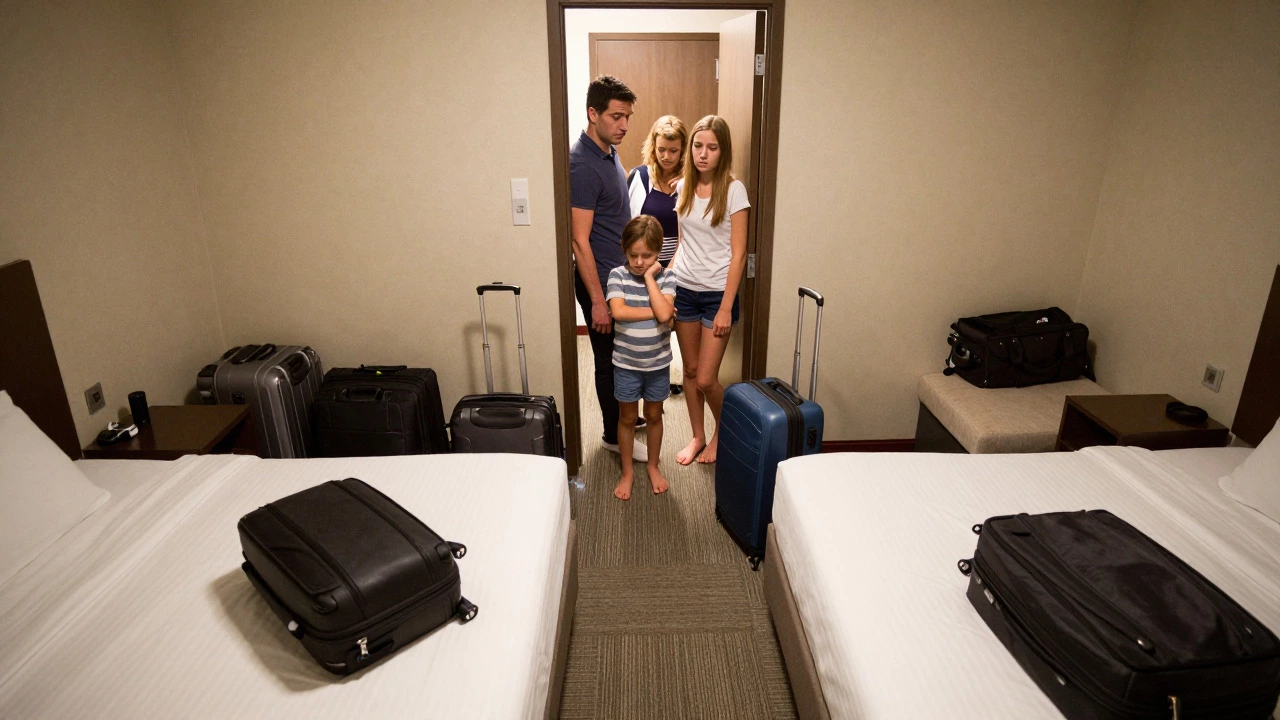
Picture this: you’ve finally booked that dream vacation. The flight is confirmed, the itinerary is set, and you’re ready to relax. Then comes the moment of truth-checking into your hotel room. You walk in, expecting space for everyone, but instead, you find two double beds pushed uncomfortably close together, or worse, a single king bed with a tiny pull-out sofa that looks like it belongs in a studio apartment. Is it even possible for a family of four to stay comfortably in one room?
The short answer is yes, but with major caveats. Whether your family of four can fit into one standard hotel room depends entirely on the ages of your children, the specific layout of the room, and the hotel’s strict occupancy policies. For many parents, squeezing everyone into one room is a budget-friendly necessity. For others, it’s a recipe for sleepless nights and cramped mornings.
Understanding Hotel Occupancy Rules
Before you pack the bags, you need to understand how hotels define "capacity." Most standard hotel rooms are designed for two adults. When you add children, the math gets tricky. Hotels typically follow fire safety codes that limit the number of people per square foot. This means a room might technically hold four people, but it doesn’t mean it will be comfortable.
Standard Double Room is a typical hotel room configuration featuring two separate beds, usually doubles or queens, intended for two guests but often accommodating up to four depending on age.. These rooms are the most common option for families trying to save money. However, if your children are teenagers, they likely won’t fit on a standard double bed without hanging off the edge. If they are toddlers, they might share a bed easily, but you’ll still need floor space for luggage and strollers.Always check the maximum occupancy listed on the booking site. If it says "Max 2 Guests," do not try to sneak in two more. Housekeeping will notice the extra toothbrushes, and front desk staff may charge you an unexpected late-night fee for exceeding limits. Some luxury brands enforce these rules strictly, while budget chains might turn a blind eye as long as you don’t cause damage.
The Age Factor: Toddlers vs. Teenagers
Age is the single biggest variable in your sleeping equation. A family with two infants (under 2) has a very different experience than a family with two teens (13-17).
- Infants and Toddlers (0-5 years): They can easily share a bed with a parent or each other. In this scenario, a standard double room works well. You might request a crib (often free) which takes up some floor space but solves the sleeping issue for the littlest one.
- School-Age Children (6-12 years): This is the gray area. Two kids this age can share a double bed if they are willing to cuddle up tight. However, if they prefer their own space, you’ll need a room with two queen beds or a king plus a sofa bed.
- Teenagers (13+ years): Forget sharing beds unless you want complaints. Teens require their own sleeping surfaces. A standard double room will feel claustrophobic. You’ll need a suite or a room specifically marketed as "Family" or "Quad" occupancy.
Don’t underestimate the psychological aspect. Even if bodies fit, minds might not. Privacy matters. If your pre-teen wants to change clothes or watch a movie without being seen by siblings, a single small room creates tension. Consider this when deciding whether to split up or stay together.
Room Layouts That Work for Families
Not all hotel rooms are created equal. Understanding the terminology helps you book the right space. Here are the configurations that actually work for four people:
| Room Type | Bed Configuration | Best For | Comfort Level |
|---|---|---|---|
| Standard Double | Two Double Beds | Families with young children who share beds | Low to Medium |
| Double Queen | Two Queen Beds | Families with school-age kids or teens | High |
| King Suite | One King + Sofa Bed | Parents wanting privacy; older kids on sofa | Medium |
| Connecting Rooms | Two Standard Rooms Linked | All ages; maximum comfort and privacy | Very High |
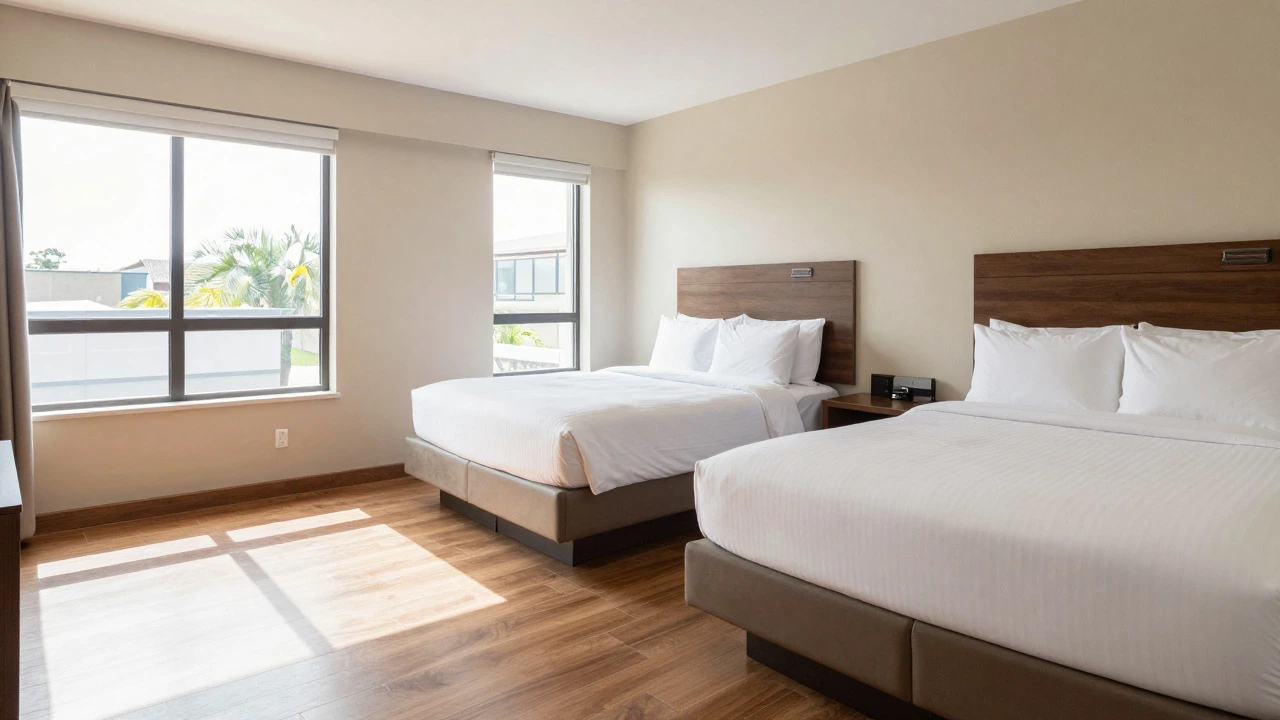
The Double Queen Room is a hotel room containing two queen-sized beds, providing ample sleeping space for four individuals without requiring them to share beds. is the gold standard for families. It gives everyone their own mattress. Look for this specifically when searching. Avoid rooms described as "King with Sleeper Sofa" unless you know your kids are okay with folding furniture. Sofa beds are notoriously uncomfortable, thin, and often squeaky. After one night, your children will beg to move to the living room couch.
Hidden Costs and Fees
Staying in one room seems cheaper, but hidden fees can add up quickly. Many hotels charge extra for the third and fourth guest. This isn’t just about breakfast; it covers utilities, water usage, and wear and tear. These fees can range from $10 to $50 per person, per night. Over a week-long trip, that’s hundreds of dollars.
Compare this cost against booking two adjacent rooms. Sometimes, the price difference is negligible, especially during off-seasons. If the extra person fee is high, ask yourself: Is saving $20 a night worth losing sleep? Also, consider resort fees. Some properties charge flat daily fees regardless of occupancy. In those cases, splitting into two rooms might not increase your total bill significantly, giving you much more space.
Alternatives to Traditional Hotels
If standard hotels seem too cramped or expensive, look elsewhere. The rise of alternative accommodations has changed how families travel.
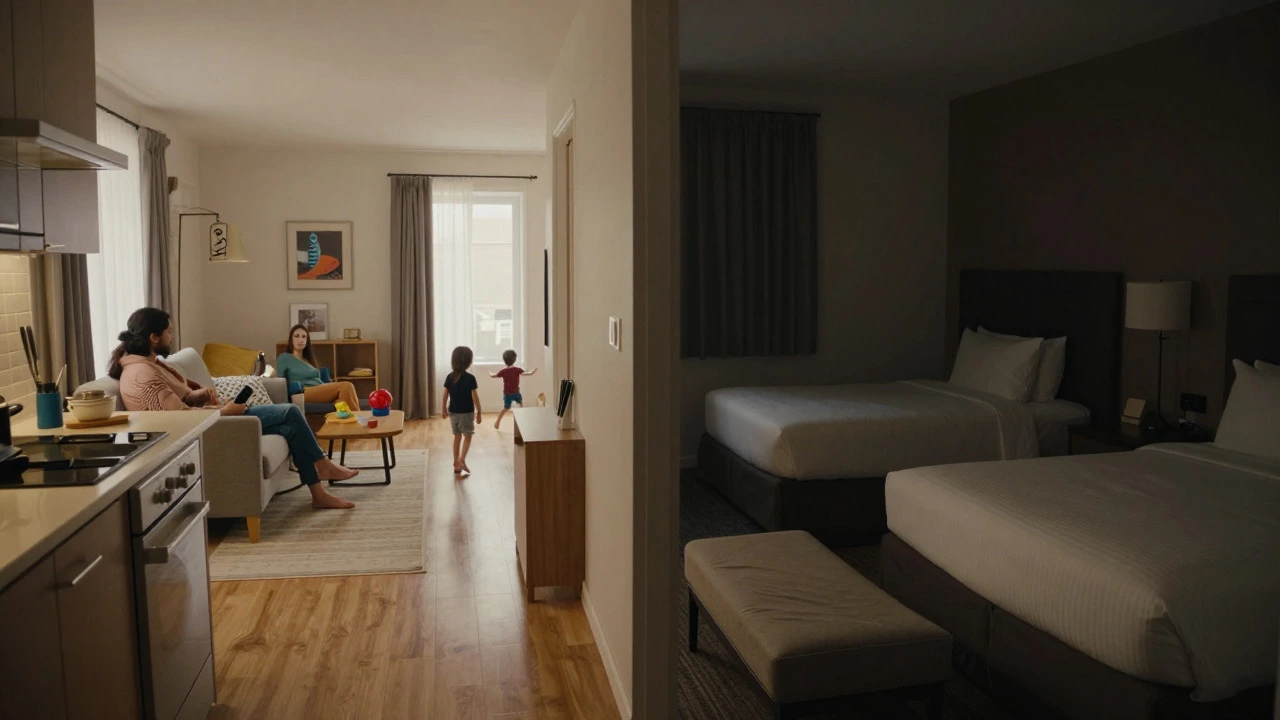
Vacation Rentals: Platforms like Airbnb or Vrbo offer entire apartments or houses. For a family of four, a two-bedroom unit provides true separation. Parents get a bedroom, kids get another. You also get a kitchen, which saves money on meals. This is often the best value for stays longer than three nights.
Extended Stay Hotels: Brands like Residence Inn or Homewood Suites design rooms for longer trips. Their studios come with kitchenettes and larger living areas. While the sleeping area might still be one room, the open layout feels less confined than a traditional hotel box.
Glamping and Eco-Cottages: If you’re traveling for nature, consider eco-friendly cottages. These structures are often larger than hotel rooms and provide a unique experience. They cater to families looking for adventure rather than city convenience.
Tips for Maximizing Small Spaces
If you must stay in one room, here’s how to make it bearable:
- Request Early Check-In: This gives you time to unpack and organize before bedtime chaos sets in.
- Use Vertical Space: Hang clothes on shower rods or use over-the-door organizers. Keep the floor clear for movement.
- Set Quiet Hours: Establish rules early. No screens after 9 PM, for example. This reduces conflict in shared spaces.
- Explore During the Day: Treat the hotel as a place to sleep, not hang out. Spend daylight hours at attractions, parks, or pools.
- Bring Noise-Canceling Headphones: Essential for light sleepers or if one child watches videos while others try to rest.
When to Split Up
There’s no shame in booking two rooms. In fact, it’s often the smarter choice. If your children are over 8, have opposite genders, or simply dislike sharing, splitting up preserves family harmony. Look for "connecting rooms" where doors link the two units. This allows parents to supervise easily while giving kids their own territory. It’s the best of both worlds: proximity and privacy.
Remember, the goal of vacation is relaxation, not survival. If the room setup stresses you out before you even arrive, reconsider your options. Your mental health matters more than saving a few dollars on lodging.
Can 4 adults stay in one hotel room?
It depends on the hotel’s policy. Most standard rooms allow a maximum of 4 occupants, but only if the beds accommodate them (e.g., two double beds). However, comfort is low. Many hotels charge extra fees for additional adults. Always confirm with the property directly before booking.
Do hotels charge extra for kids?
Policies vary. Most hotels do not charge extra for children under 12 or 18 if they sleep in existing bedding. However, some resorts charge per person regardless of age. Always check the fine print regarding "extra person fees" and breakfast costs for children.
What is the difference between a double and twin room?
A double room has one large bed (Queen or King) meant for two people. A twin room has two separate single beds. For families, twin rooms are rarely suitable unless combined with other arrangements. Double rooms with two double beds are ideal for families.
Are connecting rooms always available?
No, connecting rooms are subject to availability and cannot be guaranteed at the time of booking. Request them immediately after booking and again upon arrival. Be prepared with a backup plan, such as requesting rooms next to each other.
Is it better to book a suite or two rooms?
Suites offer more space and amenities but can be expensive. Two standard rooms provide more privacy and flexibility. Compare the total cost including taxes and fees. Often, two rooms are cheaper and more comfortable for families with older children.