What is a Boutique Hotel? Real Examples and How to Spot One
Boutique Hotel Authenticity Checker
Analyze the Property
Select the option that best describes the hotel you are considering.
Authenticity Score
Ready to Analyze
Select options above to see if your hotel is a true boutique or a chain.
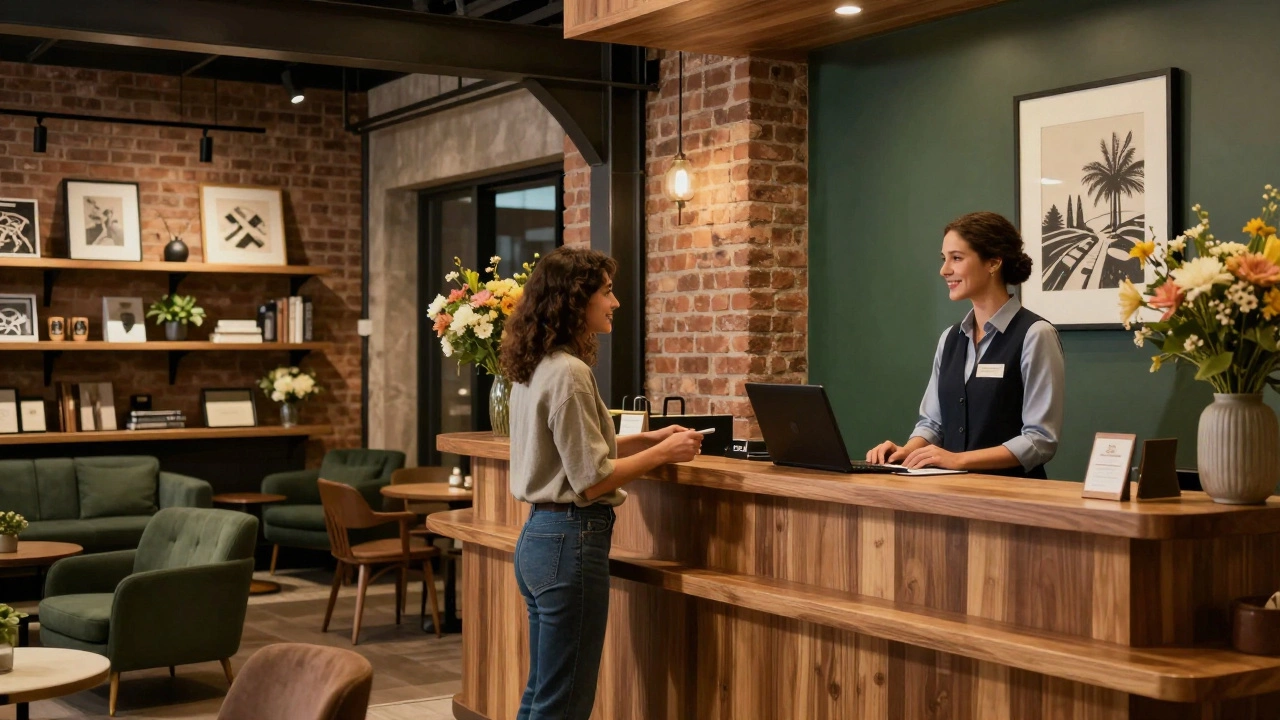
Imagine walking into a hotel lobby. Instead of a sea of identical beige carpets, generic abstract art, and a check-in desk that looks like it belongs in an airport terminal, you find yourself in a space that feels like someone’s stylish living room. The staff knows your name before you even reach the counter. The menu features ingredients from the farm down the street. This isn’t just good service; this is the essence of a boutique hotel.
If you’ve ever wondered what actually separates a trendy, intimate stay from a standard chain property, you are not alone. The term "boutique" gets thrown around loosely in travel marketing, often applied to any small hotel with nice lighting. But true boutique hotels follow a specific philosophy centered on personality, local immersion, and design.
The Core Definition: More Than Just Small Size
To understand what makes a hotel boutique, we first need to strip away the marketing fluff. A boutique hotel is a small, independent or limited-chain accommodation characterized by unique design, personalized service, and a strong connection to its local location. Unlike large resorts or business chains that prioritize uniformity and efficiency, boutique properties prioritize character and experience.
The concept emerged in the late 1980s and early 1990s. It was popularized by industry figures like Ian Schrager, who opened the Morgue Hotel in New York City in 1984. Before this era, hotels were largely functional boxes. Schrager introduced the idea that a hotel could be a destination in itself-a place where the decor, music, and social atmosphere mattered as much as the bed.
Key attributes that define this category include:
- Size: Typically fewer than 100 rooms, though some modern interpretations go up to 150.
- Design: Distinctive interior architecture that avoids cookie-cutter layouts.
- Service: High-touch, personalized interactions rather than automated systems.
- Location: Often situated in historic buildings or vibrant urban neighborhoods rather than isolated highway strips.
Real-World Examples of Iconic Boutique Hotels
Definitions can feel abstract until you see them in action. Here are three distinct examples that illustrate the diversity within the boutique sector. Each represents a different facet of what these hotels offer.
1. The Standard, High Line (New York City)
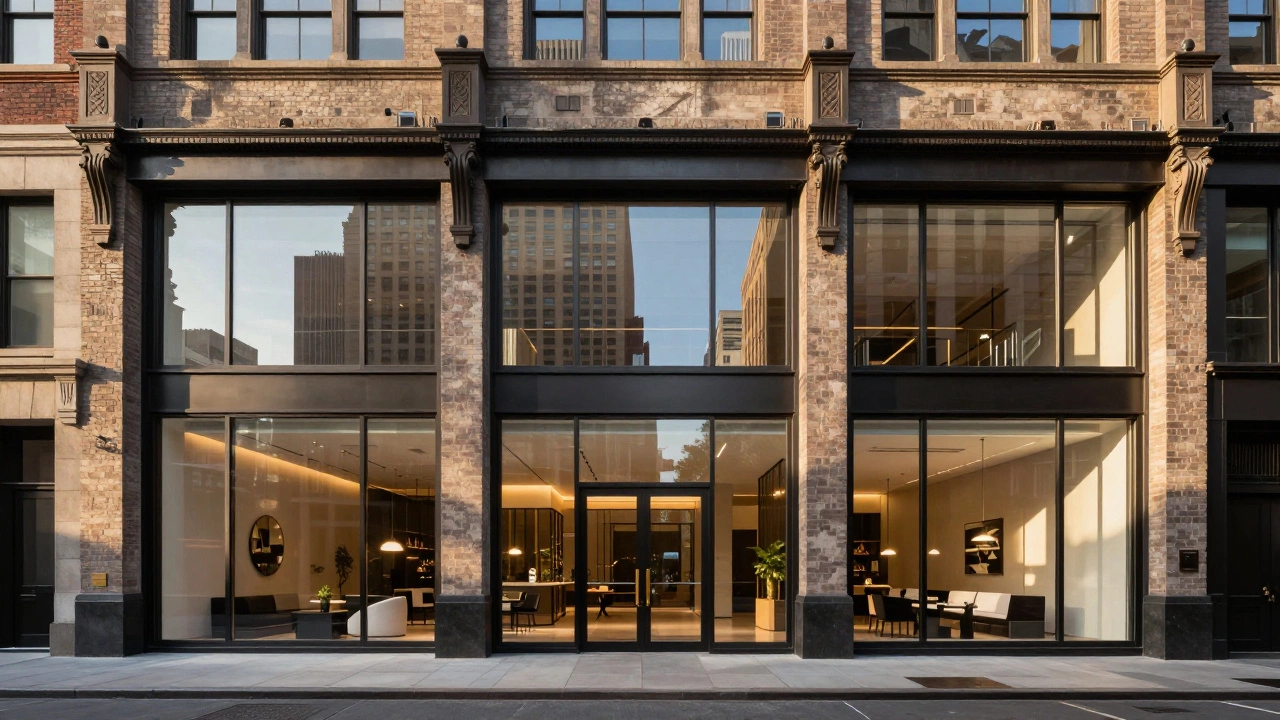
This property is a masterclass in blending industrial history with contemporary luxury. Located next to the famous High Line park, the building itself was once a textile warehouse. The interiors retain exposed brick and steel beams but mix them with sleek, modern furniture and a rooftop bar that offers panoramic views of Manhattan. It attracts creatives and travelers who want to be in the heart of the city’s cultural pulse. The service is informal yet attentive, reflecting the cool, artistic vibe of the neighborhood.
2. Ace Hotel (Multiple Locations, including Seattle and Chicago)
Ace Hotel is a brand that pioneered the 'lifestyle hotel' movement, focusing on community spaces, live music venues, and locally sourced coffee shops integrated into the hotel lobby. The original Ace Hotel in Seattle transformed a former bank into a hub for locals and tourists alike. The lobby doubles as a public cafe and event space. You won’t find a traditional concierge desk here; instead, there’s a communal table where guests mingle with residents. This model breaks down the barrier between "hotel guest" and "local," creating a sense of belonging that chain hotels rarely achieve.3. The Hoxton (London, Amsterdam, Berlin)
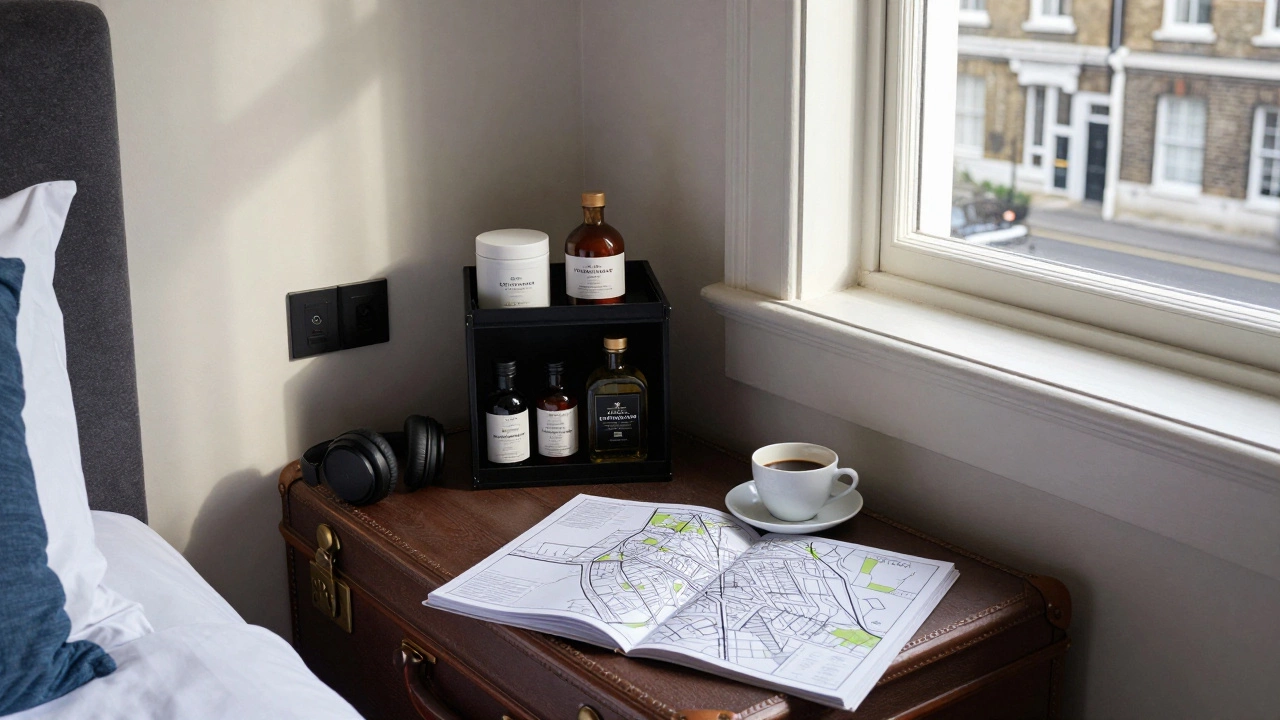
While The Hoxton has expanded to multiple cities, each location maintains a strict adherence to the boutique ethos. In London’s Shoreditch district, the hotel occupies a converted Victorian office building. The rooms are compact but meticulously designed with high-quality materials and thoughtful amenities like noise-canceling headphones and curated minibars. The focus is on "neighborhoodness"-the hotel acts as a base camp for exploring the immediate area, providing maps and recommendations from staff who actually live nearby.
Boutique vs. Luxury Chains: What’s the Difference?
Many travelers confuse boutique hotels with luxury chains like Ritz-Carlton or Four Seasons. While both offer high-end experiences, their approaches differ fundamentally.
| Feature | Boutique Hotel | Luxury Chain Hotel |
|---|---|---|
| Consistency | Varies by location; each property is unique. | Highly standardized; same experience worldwide. |
| Design | Eclectic, artistic, often themed or historic. | Elegant, formal, predictable luxury. |
| Amenities | Curated, local, experiential (e.g., wine tastings). | Comprehensive, global standards (e.g., pools, gyms, spas). |
| Target Audience | Travelers seeking authenticity and uniqueness. | Business travelers and those seeking reliability. |
| Price Point | Wide range; can be affordable or ultra-expensive. | Generally premium to ultra-premium. |
For example, if you book a Marriott Marquis, you know exactly what you will get: a large gym, a business center, and a consistent room layout. If you book a boutique property like The Jane Hotel in New York City, known for its quirky, minimalist pods and literary theme, you are buying into a specific aesthetic and narrative. The trade-off is predictability. Boutique hotels may lack the extensive facilities of chains, such as large swimming pools or conference halls.
How to Identify a True Boutique Hotel
With the rise of "soft brands"-where major chains acquire independent hotels and rebrand them while keeping the local facade-it can be tricky to spot the real deal. Here is how to tell if a hotel is genuinely boutique or just wearing a costume.
- Check the Ownership Structure: Look at the "About Us" page. Is it owned by a family, a local developer, or a small hospitality group? Or is it operated by a giant corporation like Hilton or IHG? True boutiques are usually independent or part of small collections like Design Hotels or Relais & Châteaux.
- Analyze the Room Variety: In a chain hotel, every room looks identical. In a boutique hotel, no two rooms are exactly alike. Corners might have higher ceilings, windows might face different streets, and decor themes might shift floor by floor.
- Look for Local Partnerships: Does the hotel partner with local artists for exhibitions? Do they serve breakfast from a bakery next door? Genuine boutiques integrate deeply into their community ecosystem.
- Review the Staff Interaction: Read recent reviews. Do guests mention staff by name? Is the service described as "friendly" and "informal" rather than "professional" and "polite"? Boutique service is personal, not procedural.
The Rise of "Soft Brands" and Market Confusion
In recent years, major hotel groups have launched "soft brands" to capture the boutique market without losing corporate control. Examples include Marriott’s Autograph Collection and Hilton’s Tapestry Collection. These programs allow independent owners to keep their unique names and designs while benefiting from the chain’s booking engine and loyalty program.
For the traveler, this creates a gray area. A hotel in the Autograph Collection might look and feel like a boutique, but it is backed by a massive corporation. This isn’t necessarily bad-it often means better maintenance standards and easier booking processes-but it does dilute the pure independence that defined the original boutique movement. When searching for a stay, decide if you value the *aesthetic* of a boutique (in which case soft brands are fine) or the *ideology* of independence (in which case you should stick to truly standalone properties).
Why Choose a Boutique Hotel?
Despite the convenience of chains, many travelers increasingly prefer boutique options. The primary driver is the desire for authentic experiences. In an era of globalization, where cities start to look similar, boutique hotels offer a taste of local culture. They provide a narrative thread through your trip, connecting you to the history and people of the place you are visiting.
Additionally, the smaller scale often results in quieter, more relaxed environments. Without the roar of a busy convention center downstairs or the clatter of a large buffet restaurant, boutique hotels tend to be sanctuaries. For couples, solo travelers, or creative professionals, this intimacy is invaluable.
Frequently Asked Questions
Are boutique hotels always expensive?
Not necessarily. While many boutique hotels position themselves in the luxury segment, there are plenty of mid-range and even budget-friendly options. The cost depends more on the location and size than the "boutique" label itself. Hostels with strong design identities, for instance, sometimes blur the line between budget and boutique.
Can a large hotel be considered boutique?
Traditionally, no. The defining characteristic of a boutique hotel is its small scale, usually under 100 rooms. However, some larger properties create "boutique wings" or separate entrances to mimic the intimate feel. Generally, if a hotel has more than 150 rooms, it struggles to maintain the personalized service and unique atmosphere associated with the boutique style.
What is the difference between a boutique hotel and a bed and breakfast?
A bed and breakfast (B&B) is typically a private home converted into lodging, offering only breakfast and very limited services. A boutique hotel is a commercial establishment with full-service amenities, such as 24-hour front desks, housekeeping, bars, and restaurants. B&Bs are more rustic and personal, while boutique hotels blend hospitality professionalism with unique design.
Do boutique hotels have loyalty programs?
Independent boutique hotels usually do not have their own loyalty programs because they lack the scale. However, if the hotel is part of a small collection (like Design Hotels) or a soft brand (like Autograph Collection), you may earn points. Many independents offer direct booking perks, such as complimentary upgrades or late checkout, to incentivize booking outside of third-party sites.
Are boutique hotels safer than chain hotels?
Safety varies by location and management, not just hotel type. Large chains often have standardized security protocols, key card access, and surveillance. Boutique hotels may rely more on human interaction and neighborhood safety. Always research the specific neighborhood and read recent reviews regarding security measures, regardless of the hotel type.