What Is the Difference Between a Business Hotel and a Resort?
When you’re booking a room for work, you don’t want to end up at a place with beach volleyball courts and nightly live music. And if you’re planning a weekend getaway, you probably don’t want to sit in a sterile room with a desk and a minibar, wondering where the pool is. The difference between a business hotel and a resort isn’t just about price or location-it’s about purpose. One is built for getting work done. The other is built for escaping it.
Design and Layout
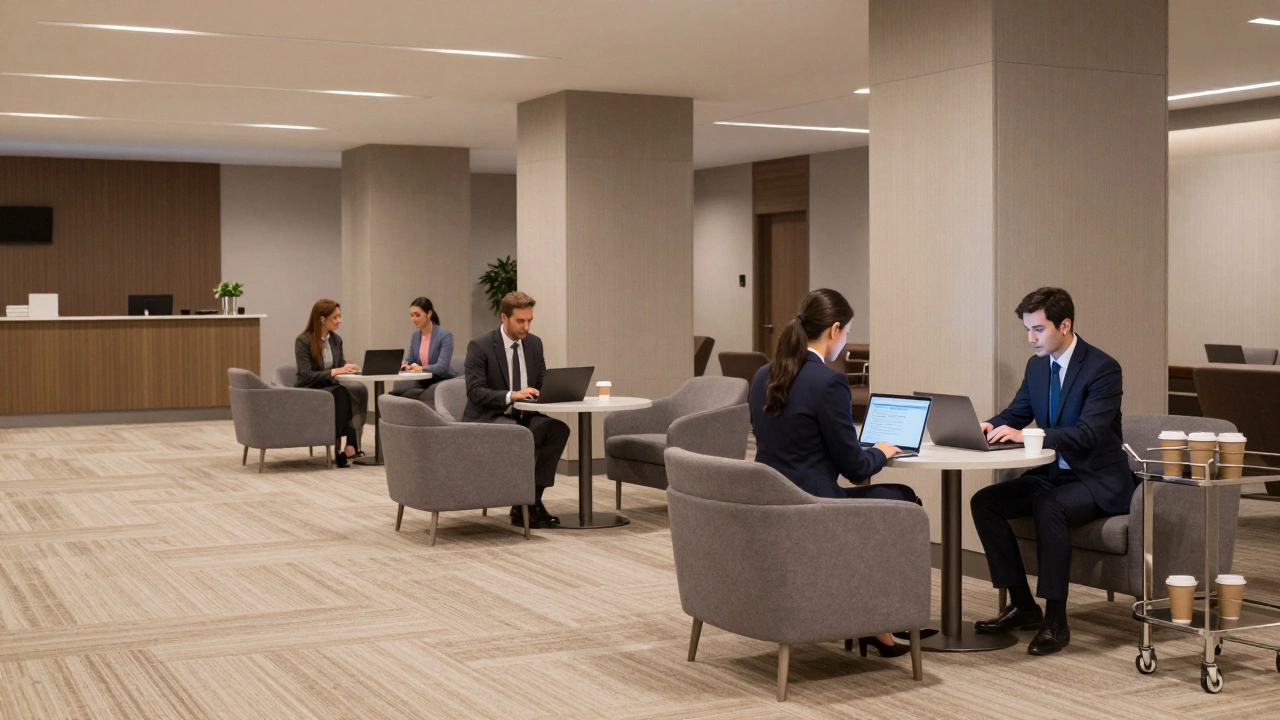
Business hotels are designed like offices with beds. You walk in, and the lobby is quiet, maybe with a few people on laptops or talking on phones. The elevators go straight to rooms that are small but efficient: a desk, a chair, a TV, and a coffee maker. Everything is within arm’s reach. The carpet is easy to clean. The lighting is bright enough to read a contract at 11 p.m. without straining your eyes.
Resorts, on the other hand, are designed to make you forget you have a job. They sprawl across acres of land. You might need a shuttle to get from your room to the restaurant. The lobby smells like coconut or pine. There are pathways lined with palm trees, water features, and outdoor seating areas that look like they were lifted from a postcard. Rooms are larger, often with balconies, and the decor leans toward comfort over function-plush rugs, soft lighting, and local artwork.
Amenities: Work vs. Escape
Business hotels have amenities that help you stay productive. Free high-speed Wi-Fi isn’t a perk-it’s a requirement. Most have 24-hour business centers with printers, scanners, and private meeting rooms you can book by the hour. Some even offer secretarial services or video conferencing setups. Breakfast is usually a buffet or grab-and-go option, served early so you can be out the door by 7 a.m.
Resorts don’t just offer amenities-they overload you with them. Think multiple pools, spas, golf courses, tennis courts, water slides, kids’ clubs, and nightly entertainment. Dining isn’t an afterthought-it’s a highlight. You’ll find five restaurants, a beachside bar, a sushi chef on rotation, and room service that delivers cocktails at midnight. The goal isn’t efficiency. It’s indulgence.
Guests and Atmosphere
Walk into a business hotel on a Tuesday morning, and you’ll see people in suits carrying briefcases, checking emails between sips of coffee. You might hear someone on a Zoom call in the hallway. Conversations are brief. People are focused. The staff moves quietly, anticipating needs without interrupting.
At a resort, the energy is different. Families laugh by the pool. Couples stroll hand-in-hand along the beach. Groups of friends order tropical drinks at sunset. The staff greets you by name. There’s music playing, even in the hallways. You’re not trying to get something done-you’re trying to feel something.

Location Matters
Business hotels are almost always near airports, downtown business districts, or conference centers. You’ll find them clustered along highways or near train stations. They’re easy to get to, easy to leave, and easy to navigate. Most are part of chains like Marriott Business, Hilton Garden Inn, or Hyatt Place-brands built for reliability, not surprise.
Resorts are intentionally remote. They’re on islands, in mountains, along coastlines, or tucked into forests. You drive for an hour past farmland to get there. Cell service might drop. You’re not supposed to check your work email. The whole point is to disconnect. If you’re staying at a resort for business, you’re probably there because your company wants you to ‘network in a relaxed environment’-which usually means forced team-building games and a lot of awkward small talk.
Cost and Value
Business hotels are priced for predictability. You pay for a clean room, fast Wi-Fi, and a decent breakfast. Rates are often lower on weekends because business travelers don’t travel then. Corporate discounts are common. You can book through your company’s travel portal and get reimbursed without a second glance.
Resorts cost more-sometimes a lot more. A night might run $400, $600, even $1,200. But you’re not just paying for the room. You’re paying for access to pools, spas, activities, and multiple dining options. Many resorts charge extra for everything: parking, Wi-Fi, towels at the beach, even bottled water. You’ll get a bill at checkout that makes you pause. It’s expensive, but if you’re there to unwind, it feels worth it.

When to Choose Which
If you’re flying in for a meeting on Wednesday and leaving Thursday morning, pick a business hotel. You need a quiet place to sleep, a reliable connection to join the call, and a breakfast you can eat while reviewing your pitch. You don’t need a hot tub. You don’t need a tiki bar.
If you’re heading out for a team retreat, a client appreciation trip, or a long weekend after a big project wraps up, a resort makes sense. You want to recharge, connect with people outside the office, and come back feeling refreshed-not drained.
And if you’re tempted to book a resort for a business trip because it ‘looks nice’? Think again. You’ll spend half your time trying to find a quiet spot to take a call, and the other half feeling guilty for not being productive. Business hotels exist for a reason: they get the job done without distraction.
What You’re Really Paying For
At a business hotel, you’re paying for consistency, speed, and silence. You’re paying for the ability to work without interruption. You’re paying for the fact that when you walk into the lobby, you know exactly what you’re getting.
At a resort, you’re paying for transformation. You’re paying to leave your identity as a professional behind, even if just for a few days. You’re paying for the feeling that time moves slower, that the sun sets differently, that you’re not on a schedule anymore.
Neither is better. They’re just different. The right choice isn’t about luxury or budget-it’s about what you need to do next.