Do Cottages Still Exist? The Truth About Finding Real Last-Minute Escapes in 2026

Last-Minute Cottage Escape Finder
Stuck with a brutal week and need a genuine rustic escape? Use this tool to identify if your potential booking is a soulless professional rental or an authentic legacy cottage.
It’s Friday evening. You’ve had a brutal week of Zoom calls, traffic jams, and endless emails. All you want is to drive two hours out of the city, park at the end of a gravel driveway, and breathe air that doesn’t smell like exhaust. You open your laptop, type “last minute cottages,” and hit enter. What loads isn’t the rustic, wood-paneled haven you imagined. It’s a sleek, minimalist box with smart locks, an electric fireplace, and a review section filled with comments about Wi-Fi speed.
You might be asking yourself: Do cottages still exist? Or have they been completely absorbed by the algorithmic churn of big platforms?
The short answer is yes. But finding them requires a different approach than it did five years ago. The definition of a "cottage" has shifted, the inventory has fragmented, and the best spots are often hidden from the main search results. If you’re looking for a genuine escape-not just a place to sleep-you need to know where to look and how to spot the real deal before someone else books it.
The Shift in Cottage Inventory
To understand why finding a last-minute cottage feels harder now, we have to look at what happened to the supply side. In the early days of home sharing, anyone with a spare room or a summer house could list it. That created a massive surge in availability. But as regulations tightened and hosts realized they could charge premium rates, many converted their properties into full-time rental businesses.
Cottage rentals are private residential properties rented out for short-term stays, often characterized by rustic charm, standalone structures, and proximity to nature. Today, the market is split between two distinct types of listings.
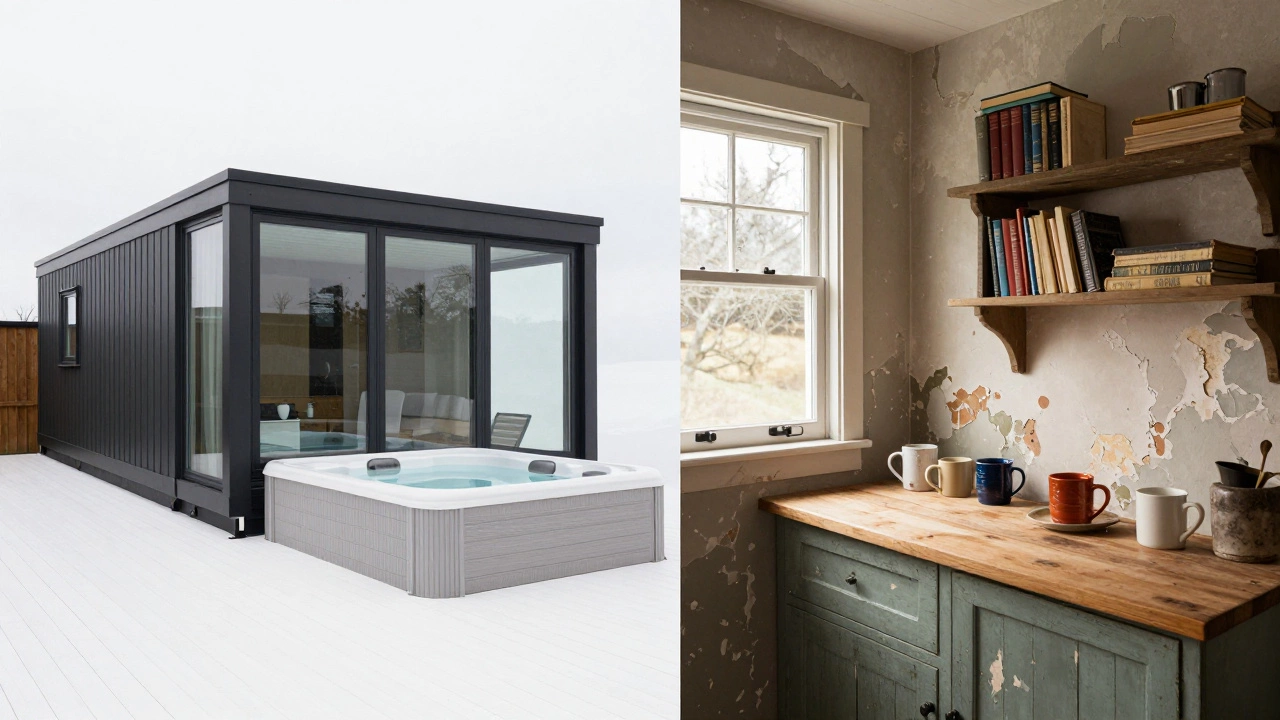
First, there are the professionalized properties. These are often new builds designed specifically for tourists. They look great in photos-think mid-century modern aesthetics, heated floors, and hot tubs-but they lack the soul of a traditional cottage. They’re managed by companies, not people, and they rarely show up as available on short notice because their calendars are locked months in advance.
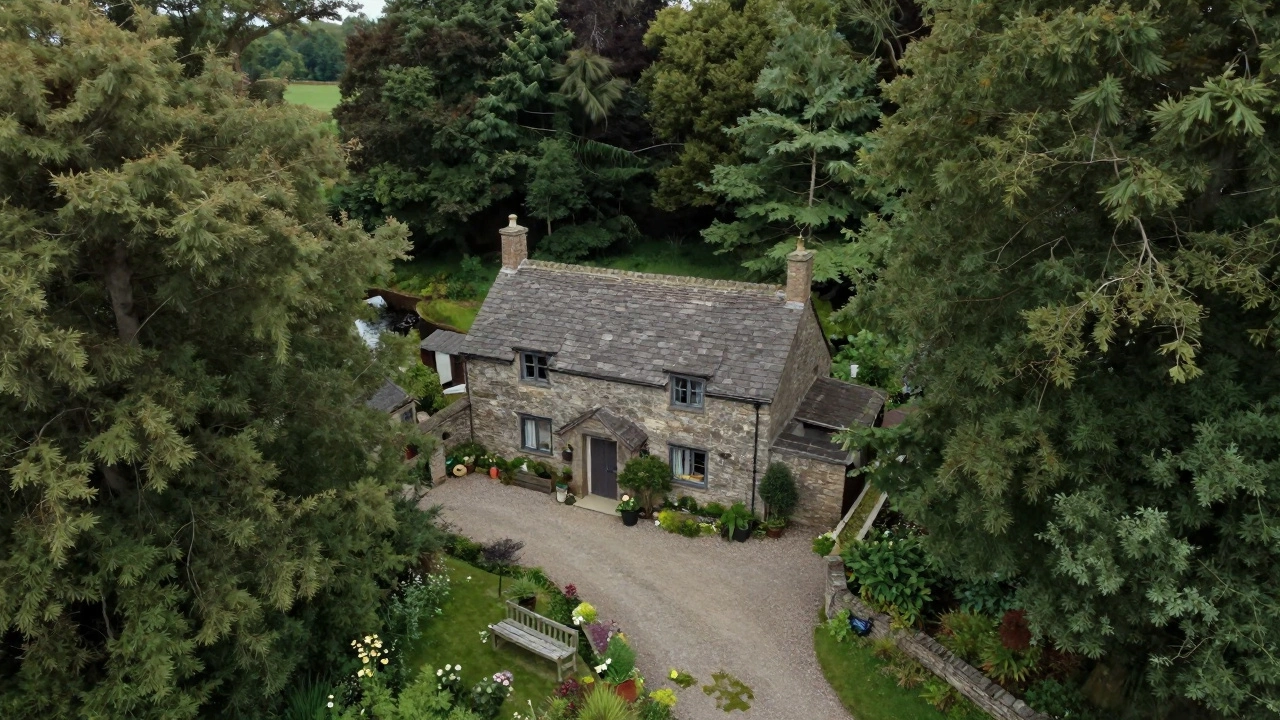
Second, there are the legacy cottages. These are the family-owned cabins, lake houses, and rural retreats that have been passed down through generations. These are the ones that actually fit the spirit of a "cottage." They might have creaky floors, older appliances, and fewer amenities, but they offer authenticity. The problem? Many of these owners don’t use major platforms anymore due to high fees or regulatory pressure. They rely on word-of-mouth, local websites, or direct bookings.
| Feature | Professional Rental | Legacy Cottage |
|---|---|---|
| Booking Lead Time | 3-6 months | Often available last minute |
| Amenities | High-tech, standardized | Basic, character-rich |
| Pricing Model | Dynamic, peak-heavy | Fixed or flexible |
| Host Interaction | Automated messages | Direct phone/email contact |
| Availability Source | Major platforms only | Local sites, social media, direct |
Why Last-Minute Bookings Are Actually Easier Now
Here’s the counterintuitive truth: if you’re flexible, finding a last-minute cottage is easier today than it was in 2019. Why? Because cancellations are up. Travelers are more uncertain, plans change faster, and insurance claims are more common. This creates a steady stream of last-minute openings that wouldn’t have existed before.
However, these cancellations don’t always appear instantly on every platform. There’s a lag time. A host cancels a booking, updates their calendar, and then the listing reappears. By the time it shows up on the main search page, someone else might have already grabbed it via a notification.
To capitalize on this, you need to set up alerts. Most major platforms allow you to save searches and get notified when a date opens up. But here’s the pro tip: don’t just rely on the app. Follow local cottage communities on social media. Many owners post last-minute availability directly on Instagram or Facebook groups because they want to avoid platform fees. A quick search for “[Your Region] + last minute cottage” on Instagram can yield results that aren’t listed anywhere else.
Spotting the Real Deal: Red Flags and Green Lights
Not every listing labeled "cottage" deserves the name. Some are just apartments with a wooden door. Others are overpriced sheds. How do you tell the difference before you book?
Start with the photos. Look for imperfections. A perfect, symmetrical living room with no personal items suggests a staged professional rental. A kitchen with mismatched mugs, a bookshelf with actual books, and a view that changes with the seasons suggests a real home. Check the description for specifics. Does the host mention the nearest grocery store? Do they warn you about the steep stairs? Authentic hosts provide practical details, not just marketing fluff.
Also, pay attention to the location. True cottages are usually off the beaten path. If the address drops you right next to a highway or a shopping mall, it’s probably not the experience you’re looking for. Use satellite view to check the surroundings. Is it surrounded by trees? Is there a body of water nearby? These visual cues help verify the property’s character.
- Green Light: Host mentions specific local trails or fishing spots.
- Green Light: Photos show natural light and un-staged furniture.
- Red Flag: Listing uses generic stock images of fireplaces or beds.
- Red Flag: No response to questions within 24 hours.
Where to Find Independent Listings
If you’re tired of scrolling through the same curated feeds, try branching out. Several niche platforms specialize in authentic, independent rentals.
Vrbo is a vacation rental platform that focuses on whole-home stays, often featuring larger properties and family-friendly options. While it has its share of professional managers, it still hosts many individual owners who prefer whole-house rentals over shared spaces.
Another option is HomeToGo, which aggregates listings from multiple sources, allowing you to compare prices and availability across different platforms in one place. This is particularly useful for last-minute searches because it casts a wider net.
But the goldmine is often local. Search for regional tourism boards or chamber of commerce websites. Many small towns maintain their own directories of approved accommodations. These listings are vetted locally, meaning they meet community standards and are less likely to be scams. Plus, booking directly supports the local economy.
Negotiating and Securing Your Stay
When you find a last-minute cottage, especially one owned by an individual, don’t be afraid to negotiate. Owners would rather fill a vacant weekend than leave it empty. If you see a listing that hasn’t been updated in a while, send a polite message asking if they’re open to a discount for immediate booking.
Always confirm the cancellation policy. Even if you’re booking last minute, things happen. A flexible policy protects you if your plans change again. And finally, read the recent reviews. Ignore the old ones. Focus on feedback from the past three months. This gives you a current snapshot of the property’s condition and the host’s responsiveness.
Are last-minute cottage bookings cheaper?
Not necessarily. Prices depend on demand. During peak seasons like summer weekends, last-minute prices can be higher due to scarcity. However, during off-peak times or mid-week, you might find significant discounts as owners try to fill empty slots.
How do I verify a private cottage listing is safe?
Check for verified owner profiles, read recent reviews, and ensure the payment is processed through a secure platform. Avoid wire transfers or cash payments. If booking directly, ask for references or check local business registries.
What should I pack for a real cottage stay?
Bring basics like toilet paper, paper towels, and spices, as some legacy cottages may not stock these. Also, pack outdoor gear, bug spray, and warm layers, even in summer, since temperatures drop quickly in rural areas.
Can I cancel a last-minute cottage reservation?
It depends on the host’s policy. Many last-minute bookings are non-refundable. Always read the terms before paying. Consider purchasing travel insurance for flexibility.
Why are there fewer cottages available than before?
Regulations, high demand, and the shift toward professional management have reduced the number of casual, individual listings. Many owners have exited the market or switched to long-term leases.