How Much Does a Glamping Structure Cost in 2026?
Glamping Structure Cost Calculator
Estimate your glamping structure costs based on structure type, location, and features. Remember that total costs can include foundation, utilities, permits, and site preparation.
Thinking about glamping? You’re not alone. More people are skipping traditional tents and choosing sleek, weatherproof structures that feel like a cabin but come with a view of the stars. But before you start dreaming about morning coffee on a deck overlooking a forest, there’s one big question: how much does a glamping structure cost? The answer isn’t simple. A basic pod might set you back $15,000. A full luxury suite with a hot tub and smart systems? That can hit $150,000 or more. Let’s break down what you’re actually paying for.
What’s Included in a Glamping Structure?
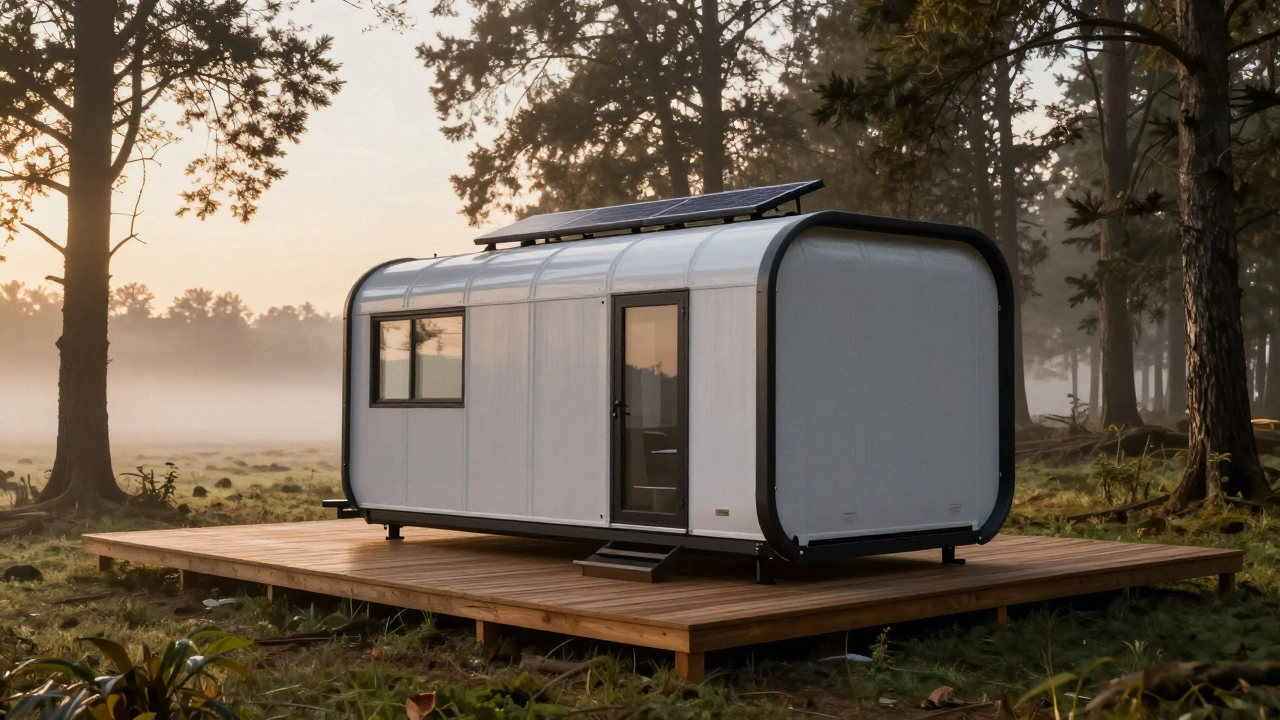
Glamping isn’t just a tent with a bed. It’s a fully engineered unit built to handle weather, insulation, electricity, plumbing, and comfort. The most common types you’ll see are:
- Glamping pods - Small, dome-shaped or cylindrical units, often made of fiberglass or timber. Think of them as tiny, upscale cabins.
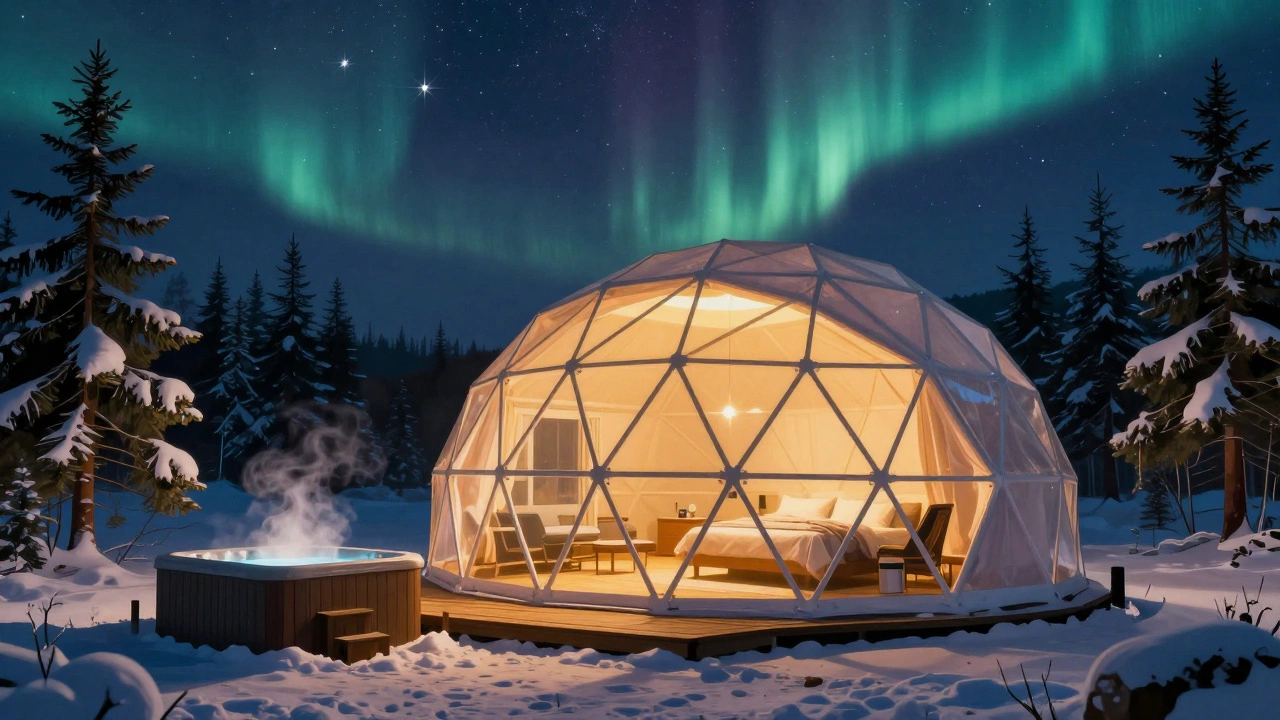
- Geodesic domes - Transparent or semi-transparent tops for stargazing. Usually made of polycarbonate panels and steel frames.
- Wooden cabins - Full-size, traditional-style cottages with real walls, windows, and sometimes lofts.
- Yurts with modern upgrades - Traditional Mongolian yurts, but now with insulation, electric heating, and real bathrooms.
- Prefab luxury suites - High-end units with underfloor heating, smart thermostats, built-in kitchens, and spa tubs.
Each type has a different price tag because of materials, labor, and features. A basic pod with no plumbing or electricity is cheaper than a full suite with a kitchen and bathroom. But most people don’t buy just the shell - they buy the whole experience.
Cost Breakdown: From Basic to Luxury
Here’s what real installations look like in North America as of early 2026:
| Structure Type | Size | Base Cost (USD) | Typical Upgrades | Total Cost Range |
|---|---|---|---|---|
| Basic Glamping Pod | 8x10 ft | $12,000 | Basic insulation, single window, no plumbing | $12,000 - $18,000 |
| Mid-Range Pod with Utilities | 10x12 ft | $25,000 | Electricity, LED lighting, small fridge, composting toilet | $25,000 - $35,000 |
| Geodesic Dome | 14 ft diameter | $30,000 | Double-glazed roof, heating, solar panels | $30,000 - $45,000 |
| Wooden Cabin (200 sq ft) | 10x20 ft | $40,000 | Full bathroom, kitchenette, wood stove, deck | $40,000 - $65,000 |
| Luxury Prefab Suite | 250 sq ft | $80,000 | Smart home system, underfloor heating, full kitchen, clawfoot tub, outdoor shower | $80,000 - $150,000+ |
These prices are for the structure only. They don’t include site prep, delivery, or installation. If you’re putting this on a remote hillside with no road access, expect to pay $5,000-$15,000 extra just to get it there.
What’s Driving the Price?
Not all glamping units are created equal. Here’s what makes one unit cost twice as much as another:
- Materials - Cedar wood, marine-grade steel, and insulated polycarbonate cost more than basic plywood or plastic. High-end units use FSC-certified timber and non-toxic finishes.
- Insulation and climate control - If you’re in Canada or the northern U.S., you need R-30 insulation and a 12,000 BTU heat pump. That adds $8,000-$12,000 to the cost.
- Plumbing and electricity - Running water and a flush toilet? That means septic system installation or connection to municipal lines. Solar panels and battery storage add another $10,000-$20,000.
- Customization - Want a built-in espresso machine? A sound system? A glass wall that retracts? Each luxury add-on can cost $3,000-$15,000.
- Delivery and installation - Most companies charge $3,000-$10,000 to transport and assemble the unit. If your land is steep, muddy, or far from a road, that number jumps.
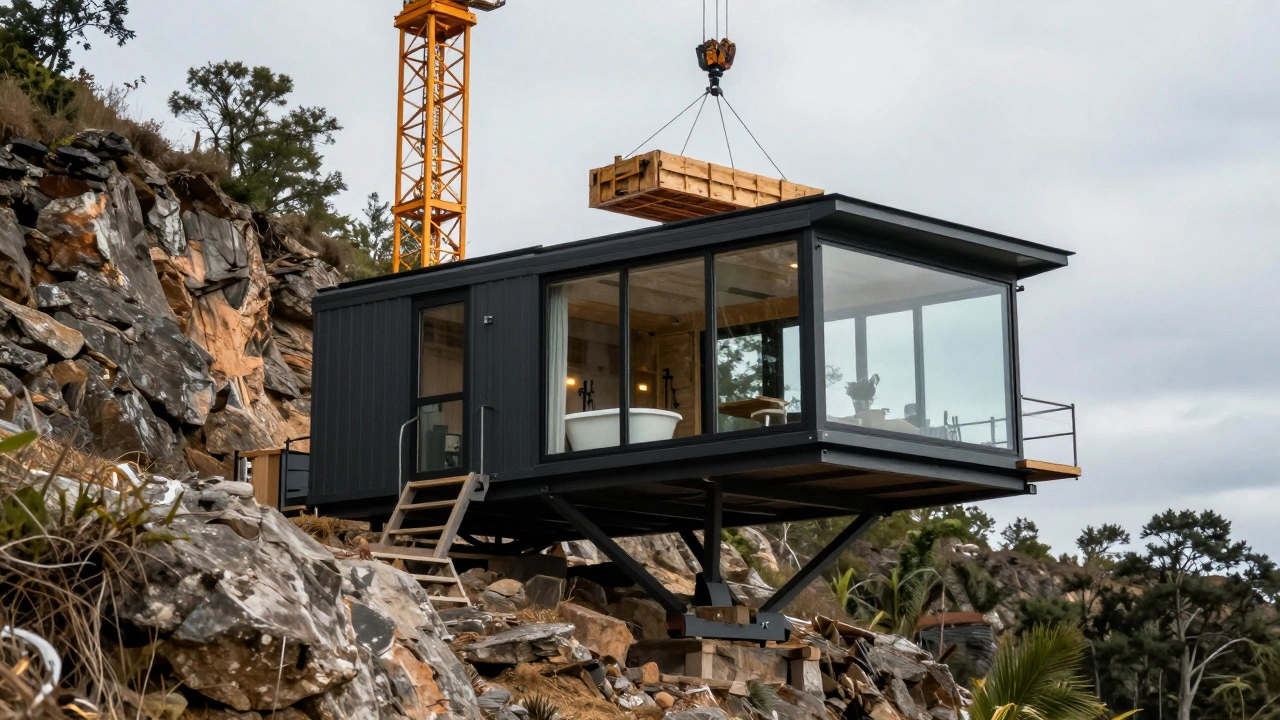
One operator in British Columbia told me they recently installed a luxury suite on a cliffside site. The structure cost $98,000. The crane needed to lift it into place? $22,000. That’s almost a quarter of the total budget just to get it on the ground.
Hidden Costs You Can’t Ignore
Many people forget about the stuff you can’t see - but that still costs money.
- Permits - In most provinces and states, you need a building permit for any structure over 100 sq ft. That’s $500-$2,000. Some areas require environmental reviews if you’re near wetlands or protected trees.
- Foundation - You can’t just put a pod on dirt. Most require a concrete slab, screw piles, or timber deck. Foundation work runs $3,000-$12,000 depending on soil and size.
- Utilities - Connecting to water, sewer, or grid power can cost $5,000-$20,000. Off-grid? You’ll need a generator, water tank, and wastewater system - easily $15,000+.
- Landscaping and decking - A nice deck, pathway, or privacy fence isn’t optional if you want guests to feel comfortable. Budget $5,000-$15,000 for this.
One couple in Ontario bought a $32,000 pod, thinking they’d be done. After permits, foundation, septic, and decking? They spent $89,000 total. They didn’t realize how much the ground beneath it mattered.
Is It Worth It?
Let’s say you’re running a glamping business. A $50,000 unit that rents for $350/night, booked 120 nights a year, brings in $42,000. That’s almost a full return in Year 1. Add in summer peak rates and add-ons like breakfast or fire pits, and you’re looking at $60,000-$80,000 in revenue. Most owners break even in 1-2 years.
If you’re buying for personal use? You’re paying for peace, not profit. A $45,000 dome in the woods with a view of the mountains isn’t just a cabin - it’s a retreat. You’re buying silence, stargazing, and a place to unplug. That’s harder to price.
Where to Buy and What to Watch Out For
There are dozens of manufacturers now. Some big names include:
- Glamping Hub - Offers turnkey packages with delivery and setup.
- Geodesic Domes Canada - Focuses on cold-climate designs with triple-glazed windows.
- Treehouse Supply Co. - Popular for elevated cabins with solar power.
- Yurtco - Specializes in modern yurts with full bathrooms and heating.
Watch out for:
- Companies that quote low prices but leave out delivery, foundation, or permits.
- Units with thin walls - they’ll be freezing in winter and boiling in summer.
- Plastic or vinyl exteriors - they fade, crack, and look cheap after two years.
- No warranty on insulation or seals - moisture damage is the #1 cause of glamping structure failure.
Ask for a 5-year warranty on the structure and a 1-year warranty on all mechanical systems. If they can’t provide that, walk away.
Final Thoughts
There’s no single answer to "how much does a glamping structure cost?" It ranges from $12,000 to $150,000 - and sometimes even higher. The key is knowing what you really need. Don’t get lured by a $15,000 pod if you live where winters hit -30°C. Don’t overspend on a smart home system if you just want to read books under the stars.
Start with your climate, your land, and your purpose. Then build from there. The best glamping structure isn’t the fanciest one. It’s the one that lasts.
What’s the cheapest way to start a glamping site?
The cheapest way is to start with one basic glamping pod - around $15,000 total with delivery and a simple deck. Choose a location with existing utilities to avoid septic and power costs. Use a composting toilet instead of plumbing. Rent it out on weekends. Many owners make their money back in under a year with just 2-3 bookings a week.
Can I finance a glamping structure?
Yes, but not like a house. Most banks won’t lend on glamping units because they’re not permanent structures. Your best bet is a personal loan, a line of credit, or a business loan if you’re operating it as a rental. Some manufacturers partner with lenders - ask if they offer financing plans. Interest rates range from 7% to 12% depending on your credit.
Do glamping structures hold their value?
Good ones do. High-quality units made with cedar, steel, and proper insulation hold value better than cabins. A well-maintained $50,000 pod in 2026 might still sell for $40,000 in 2030. Units with poor insulation or plastic exteriors lose value fast. Maintenance matters more than brand.
Are there tax benefits for glamping businesses?
Yes, if you’re running it as a business. In Canada and the U.S., you can deduct the cost of the structure, equipment, utilities, marketing, and maintenance as business expenses. Depreciation rules apply - you can write off 10-20% of the cost per year over 5-10 years. Keep receipts and track income. Consult a tax professional familiar with short-term rentals.
What’s the most common mistake people make?
They focus only on the structure price and ignore site prep. You can have the most beautiful pod in the world, but if your foundation sinks, your pipes freeze, or your deck rots, it’s useless. Budget at least 30% of your total cost for site work - foundation, drainage, access roads, and utilities. Don’t skip this.