How to Make Money Off Cottages: A Complete Guide for Owners in 2026
Cottage Rental Profitability Calculator
Enter your details to see if your cottage is a profitable investment.
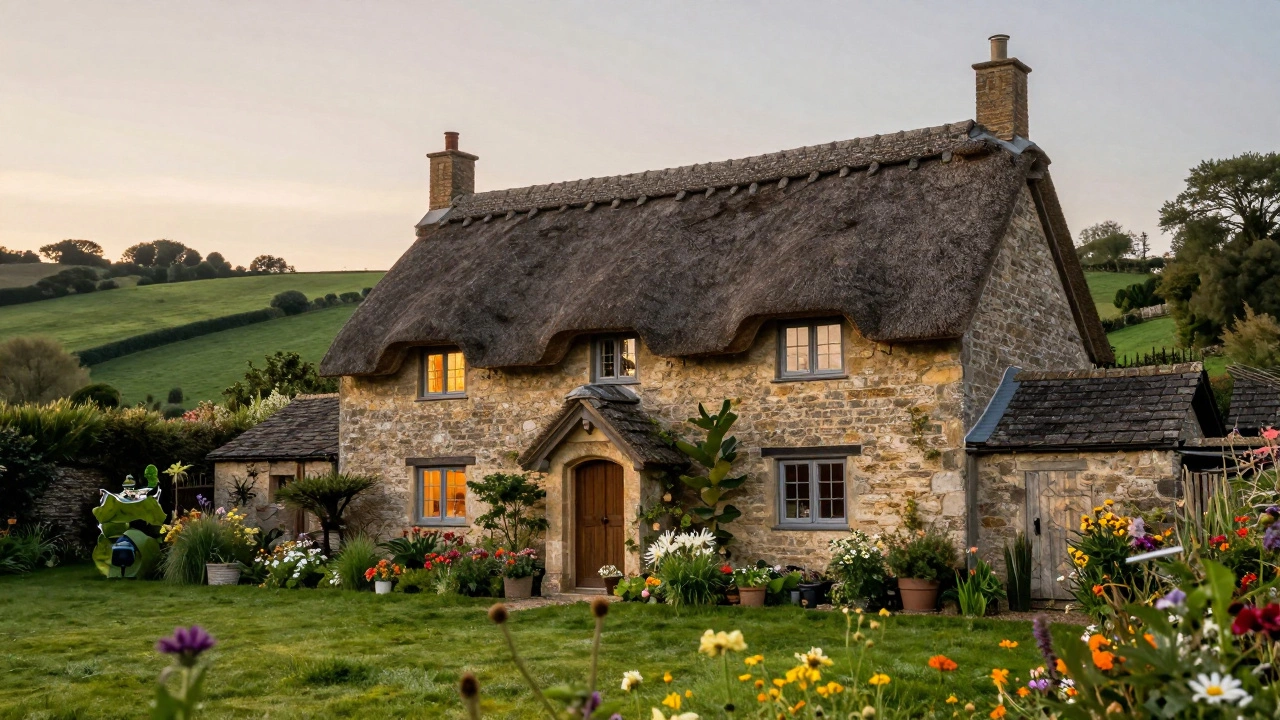
If you own a cottage-whether it’s a rustic cabin near the woods, a lakeside bungalow, or even a converted garden shed-you are sitting on a potential goldmine. The travel landscape has shifted dramatically. People aren’t just looking for beds; they are craving experiences, privacy, and space. A well-positioned cottage can command nightly rates that far exceed traditional hotels, especially during peak seasons.
However, profitability isn’t automatic. It requires strategy, local compliance, and smart marketing. This guide breaks down exactly how to turn your property into a cash-flowing asset, from calculating real expenses to maximizing occupancy with last-minute booking tactics.
Understanding the Cottage Rental Market
The concept of renting out private properties exploded with the rise of platforms like Airbnb a global online marketplace that connects people who want to rent out their homes with people who are looking for accommodations in specific locales and Vrbo a vacation rental platform that specializes in whole-home listings for families and groups. But in 2026, the market is more mature. Travelers are discerning. They expect professional photography, high-speed Wi-Fi, and seamless check-in processes.
Cottages fall under the broader category of Short-Term Rentals (STRs) properties rented out for brief periods, typically less than 30 days, often managed through digital platforms. Unlike long-term leases, STRs allow you to charge premium prices because you are selling convenience and experience, not just square footage. The key advantage of a cottage is its uniqueness. Hotels look similar; a log cabin with a hot tub does not.
To succeed, you must understand your specific niche. Are you targeting romantic getaways, family reunions, or remote workers seeking quiet? Each group has different expectations. For instance, remote workers need ergonomic chairs and reliable internet, while families need safety gates and kid-friendly amenities. Defining this early saves you from costly upgrades later.
Calculating Your Real Profitability
Before listing your cottage, you need to do the math. Many owners make the mistake of looking at gross revenue instead of net profit. Here is what actually eats into your earnings:
- Mortgage and Property Taxes: If you still have a loan, the interest portion may be tax-deductible, but the principal payment is an expense. Property taxes vary by location but are a fixed annual cost.
- Utilities: Heating, cooling, water, electricity, and internet. In winter, heating a cottage can be expensive. Consider installing smart thermostats to save energy when guests aren’t there.
- Insurance: Standard homeowner’s insurance rarely covers short-term rentals. You need a specialized policy or a host protection plan through your booking platform.
- Maintenance and Repairs: Budget 5-10% of your annual revenue for unexpected fixes. A broken boiler in January can wipe out a month’s profits if you’re unprepared.
- Cleaning Fees: Professional cleaning after every stay is non-negotiable for maintaining high ratings. Factor this into your pricing model.
A simple rule of thumb: if your monthly mortgage plus utilities exceed 40% of your projected monthly rental income, you might be taking on too much risk. Aim for a net profit margin of at least 20-30% after all expenses.
Setting Up for Success: Legal and Safety Basics
Ignoring regulations is the fastest way to kill your cottage business. In many cities and rural municipalities, short-term rentals require specific permits. Operating without one can lead to heavy fines or forced closure. Check your local zoning laws before listing.
Safety is equally critical. Guests expect certain amenities:
- Smoke and Carbon Monoxide Detectors: Mandatory in most jurisdictions. Test them monthly.
- Fire Extinguishers: Keep one in the kitchen and one near the sleeping areas.
- First Aid Kit: Stock it with basics like bandages, antiseptic, and pain relievers.
- Clear Emergency Instructions: Post evacuation routes and emergency contact numbers visibly.
These steps protect you legally and build trust with guests. A safe cottage gets better reviews, which leads to more bookings.

Pricing Strategies That Maximize Income
Static pricing leaves money on the table. Dynamic pricing adjusts your rates based on demand, seasonality, and local events. For example, a cottage near a ski resort should cost significantly more in December than in July. Similarly, if a major music festival is happening nearby, you can raise prices temporarily.
Tools like PriceLabs an AI-powered dynamic pricing software for short-term rentals or Wheelhouse a revenue management tool for vacation rental hosts automate this process. They analyze thousands of data points to suggest optimal nightly rates. Even without these tools, you can manually adjust prices for holidays, weekends, and local events.
Don’t forget the power of minimum stay requirements. During peak seasons, enforce a 3-night minimum to reduce turnover costs and attract higher-quality guests. In off-peak times, offer discounts for weekly stays to fill empty gaps.
Mastering Last-Minute Bookings
You mentioned an interest in Last Minute Cottages vacation rentals booked shortly before arrival, often at discounted rates to fill unsold inventory. This is a powerful strategy to boost occupancy. Empty nights earn zero dollars. A discounted last-minute booking earns something.
Here’s how to leverage last-minute bookings effectively:
- Enable Instant Book: Many last-minute travelers decide impulsively. Requiring manual approval slows them down. Enable instant booking for trusted guests or those with verified IDs.
- Offer Time-Sensitive Discounts: Set up automatic discounts for bookings made within 7 days of arrival. For example, offer 10% off for same-week bookings.
- Highlight Availability: Ensure your calendar is always up-to-date. Outdated calendars frustrate users and cause them to choose competitors.
- Target Local Getaways: Last-minute bookings often come from locals seeking a quick escape. Advertise on social media with captions like “Need a weekend reset? Book today for next Friday.”
This approach turns potential dead air into revenue. It also helps build a steady stream of reviews, as frequent local guests are more likely to leave feedback.
Marketing Your Cottage Beyond Listing Platforms
Relying solely on Airbnb or Vrbo means paying high commission fees (often 15-20%). To increase margins, build your own direct booking channel.
Create a simple website showcasing your cottage. Use high-quality photos and detailed descriptions. Include a direct booking engine so guests can pay you directly. Offer a small discount (e.g., 5%) for direct bookings to incentivize this behavior.
Social media is another low-cost marketing tool. Instagram and Pinterest are visual platforms perfect for cottages. Share stunning photos of your property, local attractions, and guest testimonials. Use relevant hashtags like #CottageLife, #WeekendGetaway, and #[YourLocation]Travel.
Consider partnering with local tourism boards or event organizers. They often feature unique accommodations on their websites, driving targeted traffic to your listing.
Guest Experience: The Key to Repeat Business
In the short-term rental world, reputation is everything. One bad review can deter dozens of potential guests. Focus on creating memorable experiences.
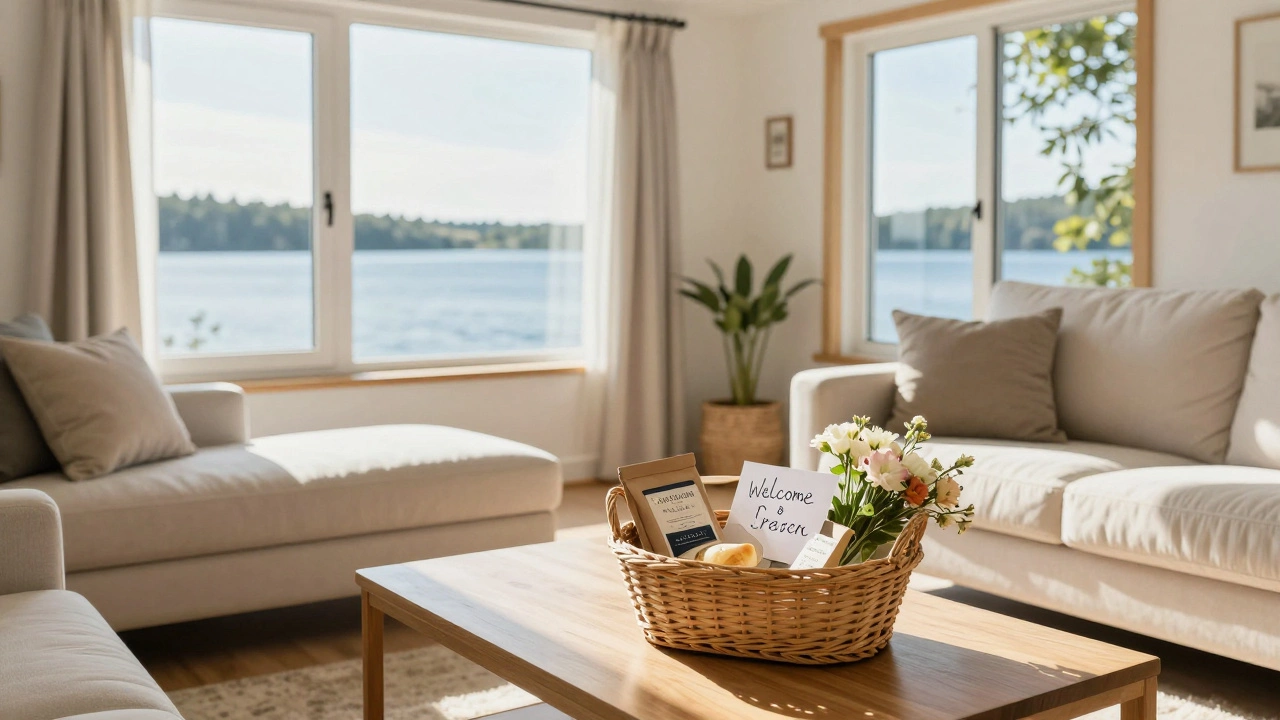
Personal touches go a long way. Leave a welcome basket with local snacks, coffee, and a handwritten note. Provide a curated guidebook with your favorite local restaurants, hidden hiking trails, and seasonal activities. Respond to messages quickly-ideally within an hour.
Anticipate needs. If you know a family with young children is arriving, provide a crib and high chair. If a couple is celebrating an anniversary, leave a bottle of wine. These small gestures turn good stays into great ones, leading to five-star reviews and repeat bookings.
Scaling Your Cottage Business
Once you’ve mastered one cottage, consider scaling. Do you have another property? Can you manage multiple units? Hiring a property manager can free up your time but will cut into profits (typically 20-30% of revenue). Weigh the trade-offs carefully.
Alternatively, invest in upgrades that justify higher rates. Adding a hot tub, outdoor kitchen, or fire pit can significantly increase your average daily rate. These amenities create “wow” factors that stand out in search results.
How much can I realistically make renting out my cottage?
Income varies widely based on location, size, and amenities. A basic cottage in a rural area might earn $1,000-$2,000 per month, while a luxury lakeside retreat in a popular tourist destination can generate $5,000-$10,000+ per month during peak season. After expenses, net profit typically ranges from 20% to 40% of gross revenue.
Is it legal to rent out my cottage as a short-term rental?
Legality depends on your local municipality. Many cities require permits, registration, or limit the number of days you can rent per year. Always check your local zoning laws and homeowner association rules before listing. Operating illegally can result in fines or eviction.
What are the best platforms to list my cottage?
Airbnb and Vrbo are the largest platforms with the most traffic. However, consider listing on niche sites like Booking.com, Expedia, or Glamping Hub if your cottage fits specific categories. Diversifying across platforms reduces reliance on any single source.
How do I handle cleaning and maintenance between guests?
Hire professional cleaners experienced in short-term rentals. Create a detailed checklist covering every room, including laundry, restocking supplies, and inspecting for damage. Perform regular maintenance checks quarterly to address wear and tear before it becomes a problem.
Can I rent out my cottage part-time?
Yes, many owners use their cottages personally and rent them out during unused weeks. Just ensure your calendar is accurately updated to avoid double bookings. Be transparent with guests about your availability and any personal use restrictions.