The Hidden Downsides of Cottage Living: What to Know Before You Buy
Cottage Living Reality Calculator
Customize Your Scenario
Annual Cost & Lifestyle Impact Analysis
Adjust inputs to see your personalized assessment.
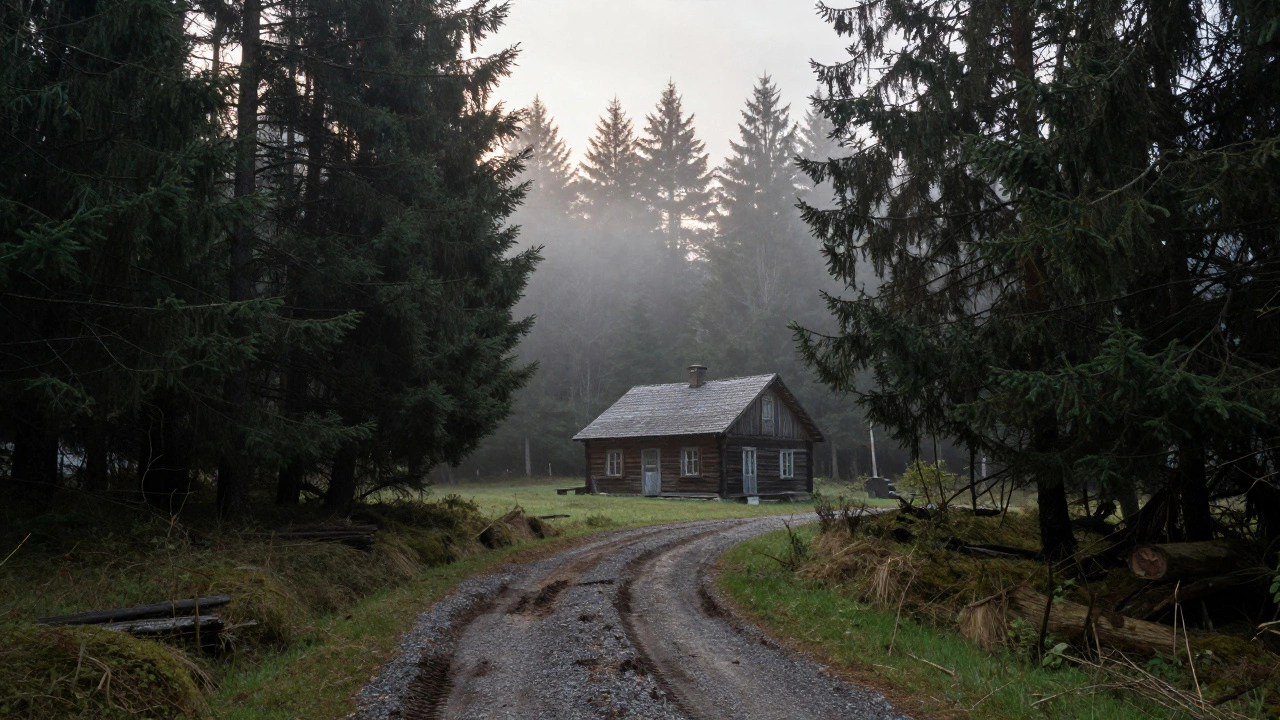
Picture this: you’re standing in a sun-drenched clearing, surrounded by tall pines. The air smells like pine needles and damp earth. There’s no traffic noise, just the chirping of birds. It sounds like paradise, right? That’s the dream we all sell ourselves when we look at cottage homes, which are smaller residential structures typically located in rural or semi-rural areas, often serving as secondary residences or primary retreats from urban life. But once the initial excitement fades and you’ve moved your stuff in, reality hits hard. The silence isn’t peaceful; it’s isolating. The nature isn’t charming; it’s a full-time job.
We love to romanticize the slow life. We imagine sipping coffee on a porch while watching deer graze. But for many homeowners, that idyllic image crumbles under the weight of logistical nightmares, financial drains, and sheer physical exhaustion. If you’re thinking about buying a cabin in the woods or converting an old barn into a home, you need to hear the unvarnished truth. This isn’t about killing the dream-it’s about making sure you can survive it.
The Infrastructure Black Hole
The first thing you’ll notice is that nothing works the way it does in the city. In Vancouver, if my water pressure drops, I call the utility company, and they fix it within 48 hours. In a remote cottage setting, you *are* the utility company. And you’re not very good at it yet.
Most off-grid cottages rely on septic systems rather than municipal sewage lines. A standard septic tank needs pumping every three to five years, costing anywhere from $300 to $1,000 depending on size and accessibility. But what happens when it backs up during a winter storm? You don’t get a quick repair. You might be stuck without working toilets for days until a truck can navigate the icy roads. Then there’s the water source. Many rural properties use well water. Wells run dry, pumps fail, and mineral content can ruin your pipes and appliances. I knew someone who spent $4,000 on a new filtration system because their well water had high iron levels that turned their laundry rust-colored.
Electricity is another beast. If you’re not connected to the main grid, you’re looking at solar panels and battery banks. Sounds green and sustainable, until you realize that a cloudy week in November means running generators just to keep the fridge cold. The upfront cost of a robust solar setup can easily exceed $15,000, and maintenance requires technical skills most homeowners don’t have. Even if you are grid-connected, power outages are frequent in storm-prone areas. Without a backup generator, you’re sitting in the dark, shivering, with no way to charge your phone to call for help.
The Maintenance Monster
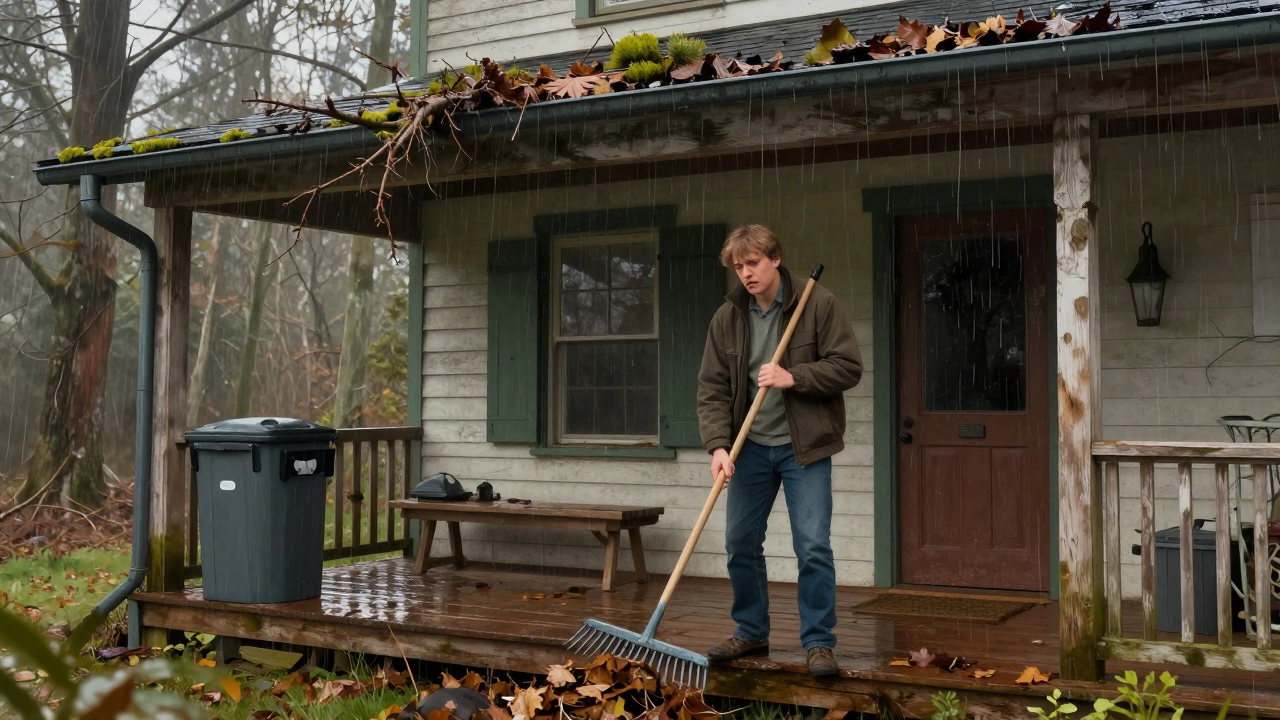
In a city apartment, you sweep your floor and maybe change the lightbulbs. In a cottage, you are fighting a war against entropy. Nature is constantly trying to reclaim your space. Leaves clog gutters, branches fall on roofs, and moss grows everywhere. If you live near trees, you will rake leaves for six months of the year. Not metaphorically-literally. One large oak tree can produce enough debris to fill a pickup truck twice a season.
Then there’s the issue of pests. Urban rats are one thing; forest wildlife is another. Bears, raccoons, and mice see your cottage as an all-you-can-eat buffet. You need bear-proof trash cans, sealed compost bins, and possibly electric fencing around gardens. I watched a neighbor spend two weekends reinforcing their shed after a bear tore through the roof looking for birdseed. It wasn’t funny then. It costs money, time, and peace of mind.
Structural decay is faster in humid, wooded environments. Wood rots, metal rusts, and foundations shift due to freeze-thaw cycles. Regular inspections aren’t optional; they’re survival tactics. You’ll find yourself learning carpentry, plumbing, and electrical work out of necessity, not hobby. If you hire professionals, expect to pay premium rates because few contractors want to drive an hour into the boonies for a small job.
Isolation and Connectivity Issues
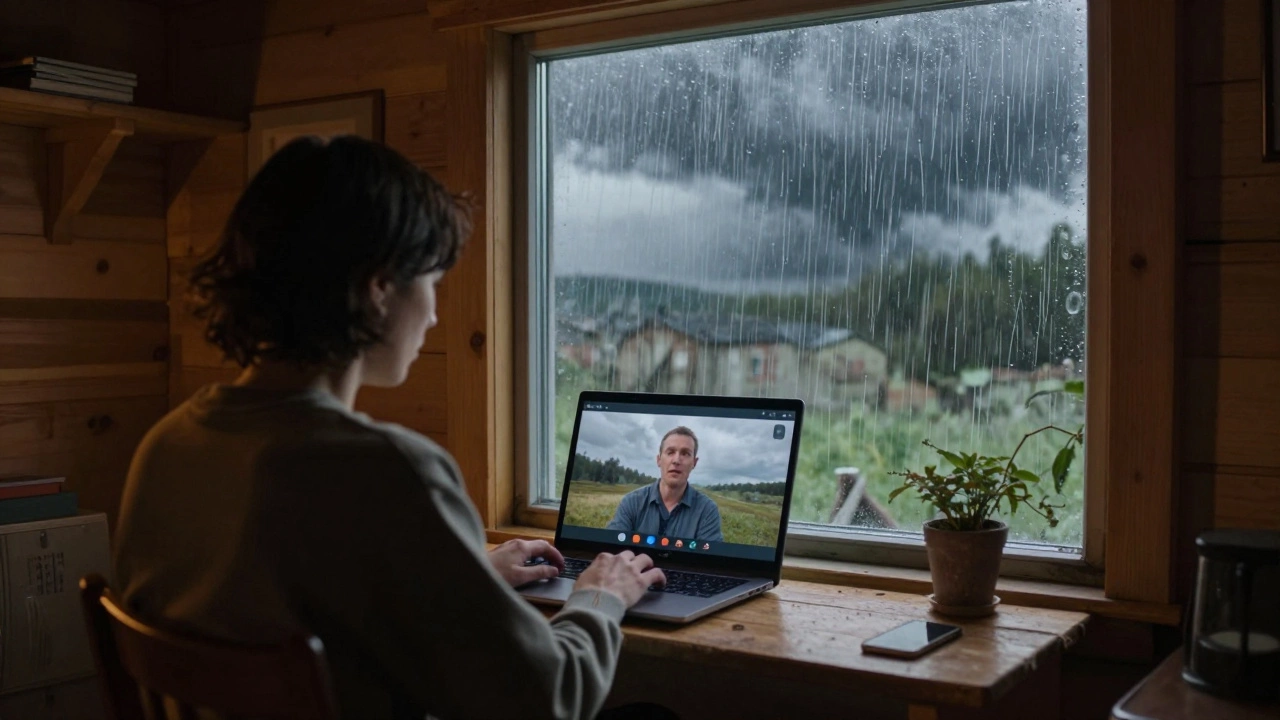
Let’s talk about the internet. Or rather, the lack thereof. High-speed fiber optic cables rarely reach deep into rural zones. Most cottage owners rely on satellite internet or cellular boosters. Satellite has latency issues that make video calls laggy and online gaming impossible. Cellular service is spotty at best. Try having a crucial work meeting while your connection drops every ten minutes. It’s frustrating, professional suicide, and a major reason why remote workers struggle to maintain productivity in these settings.
Beyond connectivity, there’s the psychological toll of isolation. For extroverts, the silence can feel oppressive. There’s no spontaneous coffee with a neighbor, no walk to the corner store, no evening stroll through a lit-up downtown. Everything requires planning and driving. Social interactions become scheduled events rather than organic occurrences. Over time, this can lead to feelings of loneliness and disconnection from society. Mental health services are also scarce in rural areas. If you or a family member need therapy or medical attention, you might be facing a long drive to the nearest clinic.
Financial Realities Beyond the Purchase Price
The listing price of a cottage looks attractive compared to urban real estate. But the total cost of ownership tells a different story. Insurance premiums for rural properties are higher due to fire risk, flood potential, and distance from emergency services. Fire departments may take 30-40 minutes to arrive, increasing the likelihood of total loss in case of fire. Insurers know this, and they charge accordingly.
Property taxes can also be tricky. Some rural jurisdictions offer tax breaks for agricultural land, but if you build a house, those benefits might disappear. Additionally, resale value is unpredictable. The market for cottages is niche. When you decide to sell, you’re not competing with everyone-you’re competing with other dreamers who can afford both the property and the lifestyle. Economic downturns hit luxury leisure properties harder than essential housing. Your investment could sit on the market for years.
Don’t forget transportation costs. Driving further means more gas, more vehicle wear and tear, and more time spent commuting. If you buy a second-hand car specifically for the rough roads, that’s another expense. Every trip to the grocery store becomes a mini-road trip. These small costs add up significantly over a year.
Safety and Emergency Response Gaps
When you live in the city, help is minutes away. In the countryside, it’s measured in miles and weather conditions. Ambulance response times in rural Canada average between 20 to 40 minutes, compared to under 10 minutes in urban centers. For heart attacks, strokes, or severe injuries, those extra minutes are critical. Helicopter evacuations exist but are expensive and not always available due to weather.
Fire safety is another concern. Wildfires are becoming more common and intense due to climate change. A cottage surrounded by dry brush is a tinderbox. Evacuation orders can come with little warning, forcing you to abandon your home with only what you can carry. Flood risks are equally serious, especially for properties near rivers or lakes. Basements can flood overnight, ruining furniture, electronics, and structural integrity. Mitigation measures like levees or drainage systems are costly and require constant monitoring.
Comparison: Urban Apartment vs. Rural Cottage
| Factor | Urban Apartment | Rural Cottage |
|---|---|---|
| Maintenance Responsibility | Landlord handles exterior | Owner handles everything |
| Internet Reliability | High-speed fiber available | Satellite/cellular, often unstable |
| Emergency Response Time | < 10 minutes | 20-40+ minutes |
| Utility Costs (Annual Avg) | $1,200 - $2,000 | $2,500 - $5,000+ |
| Social Accessibility | Walkable amenities | Car-dependent, isolated |
Who Should Avoid Cottage Life?
If you hate DIY projects, avoid cottages. If you rely on fast internet for work, think twice. If you have young children who need immediate access to pediatric care, weigh the risks carefully. Cottage living demands resilience, self-sufficiency, and a tolerance for inconvenience. It’s not for everyone, and that’s okay. Recognizing your limits before signing a contract saves you from years of regret.
Are cottage homes harder to sell than city houses?
Yes, generally. The buyer pool for rural properties is smaller and more specific. People buying cottages are often looking for vacation homes or retirement spots, which makes the market sensitive to economic shifts. Unlike urban apartments, which appeal to families, singles, and investors alike, cottages attract a niche demographic. This can lead to longer listing periods and potentially lower final sale prices if you need to move quickly.
How much extra should I budget for cottage maintenance annually?
You should set aside at least 1% to 3% of the property’s value each year for maintenance. For a $300,000 cottage, that’s $3,000 to $9,000 annually. This covers routine tasks like roof repairs, septic pumping, well servicing, and pest control. Unexpected emergencies, such as burst pipes in winter or generator failures, can push this number higher. Having an emergency fund specifically for home repairs is crucial.
Can I work remotely from a cottage with poor internet?
It depends on your job. If your work involves heavy video conferencing, large file transfers, or real-time collaboration, poor internet will severely hinder your productivity. Satellite internet has improved, but latency remains an issue. Some remote workers use 5G hotspots if coverage exists, but signal strength varies greatly. Test the connection thoroughly during different times of day and seasons before committing to live there full-time.
What are the biggest safety risks in rural cottages?
Wildfires, floods, and delayed emergency medical response are the top three risks. Proximity to forests increases fire danger, especially during dry summers. Properties near water bodies face flooding threats. The distance from hospitals and fire stations means that minor incidents can become major crises. Installing smoke detectors, carbon monoxide alarms, and maintaining clear defensible space around your home are essential safety steps.
Is it worth buying a cottage if I only visit on weekends?
For weekend use, the disadvantages are less severe but still present. You won’t deal with daily isolation or commute issues, but maintenance doesn’t stop just because you’re not there. Pests, weather damage, and system failures happen regardless of occupancy. However, the financial burden is lighter since you likely have a primary residence elsewhere. Ensure the property is easy to secure and monitor remotely to minimize risks during your absence.