What Is Luxury Camping? The Real Guide to Glamping in Eco-Friendly Cottages
Authentic Glamping Checklist
This tool helps you determine if a property meets authentic glamping standards based on criteria from the article. Check the items that apply to your potential glamping site to see if it's truly luxury camping.
Checklist Criteria
Result:
When you hear the word "camping," you probably picture tents, bug spray, and sleeping on the ground. But what if you could sleep under the stars in a real bed with crisp linens, a wood-burning stove, and a private hot tub just outside your door? That’s luxury camping - or as most people call it, glamping.
Glamping Isn’t Just Camping With Fancy Stuff
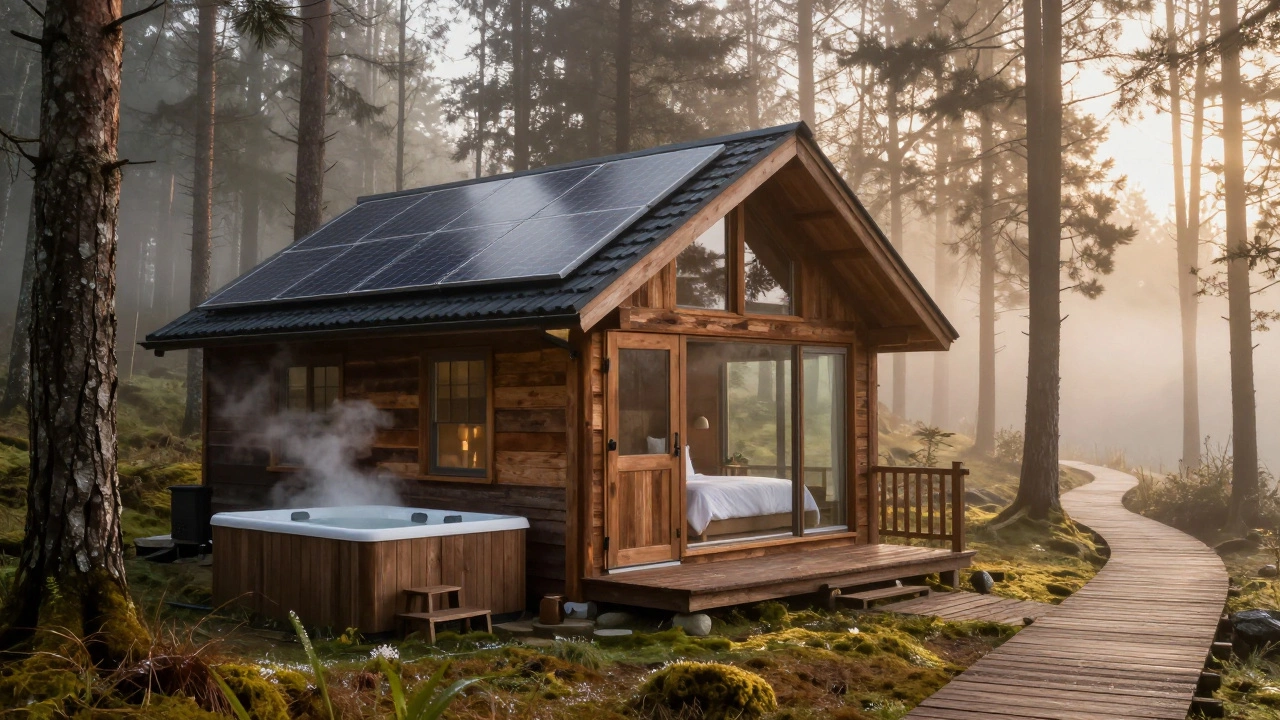
Glamping isn’t about adding a chandelier to a tent. It’s about reimagining the outdoor experience entirely. It combines the peace of nature with the comfort of a high-end hotel. Think: insulated, climate-controlled cabins made from reclaimed wood, solar-powered lighting, and en-suite bathrooms with rainfall showers. No pitching tents. No digging latrines. Just stepping outside your door into a forest, desert, or mountainside - and knowing you’ve got a hot meal waiting inside.
The rise of glamping started in the early 2010s, but it exploded after 2020. People weren’t just looking for vacations anymore - they wanted experiences that felt meaningful. A 2024 survey by the Glamping Association found that 68% of guests chose glamping because it helped them disconnect from screens and reconnect with nature - without sacrificing comfort. And here’s the kicker: 82% of those same guests said they’d never go back to traditional camping.
What Makes an Eco-Friendly Cottage "Luxury"?
Luxury camping doesn’t mean marble countertops and gold-plated faucets. It means thoughtful design that respects the environment while delivering real comfort. An eco-friendly luxury cottage might have:
- Roof panels that collect rainwater for showers and flushing toilets
- Insulation made from recycled denim or sheep’s wool
- Composting toilets that turn waste into garden fertilizer
- Off-grid solar systems that power LED lighting and mini-fridges
- Furniture built from sustainably harvested timber
These aren’t gimmicks. They’re functional upgrades that reduce environmental impact while making your stay more enjoyable. For example, a cottage in Oregon uses geothermal heating to keep the floor warm in winter - no gas lines, no carbon emissions. Guests say the heated floors are the first thing they notice - and the thing they miss most when they leave.
It’s Not Just About the Cabin
Luxury camping is as much about what happens outside as it is about what’s inside. Many glamping sites offer curated experiences: guided sunrise hikes, foraging tours for wild mushrooms, stargazing with a telescope and hot cocoa, or even private outdoor yoga sessions. Some places have chefs who cook farm-to-table meals using ingredients grown on-site. Others partner with local artisans to bring in hand-thrown pottery or organic soaps.
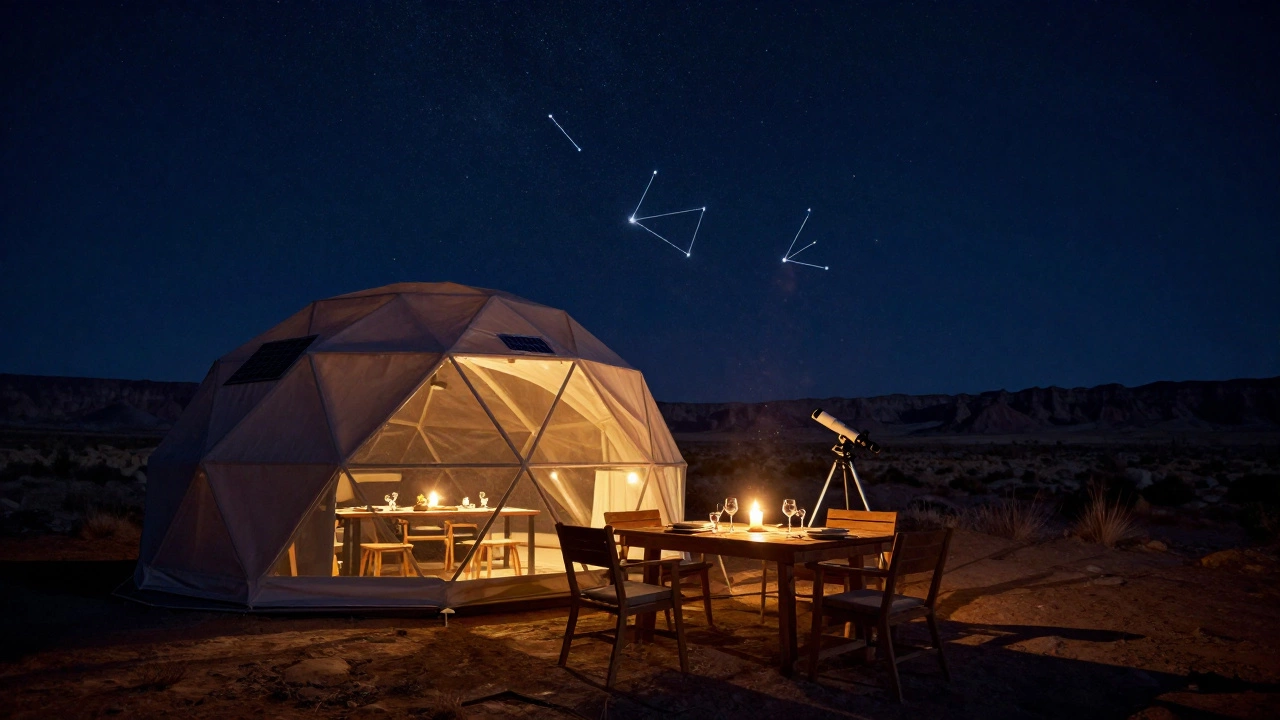
One site in the Adirondacks lets guests borrow a vintage bicycle to ride to a nearby lake, where a kayak is waiting with a cooler of local cider. Another in Utah offers a "night sky dinner" - a table set under the stars with a four-course meal, served by candlelight, while a local astronomer points out constellations.
These aren’t fancy add-ons. They’re part of what makes glamping feel different from a hotel. You’re not just staying somewhere - you’re participating in the place.
Who Is Luxury Camping Really For?
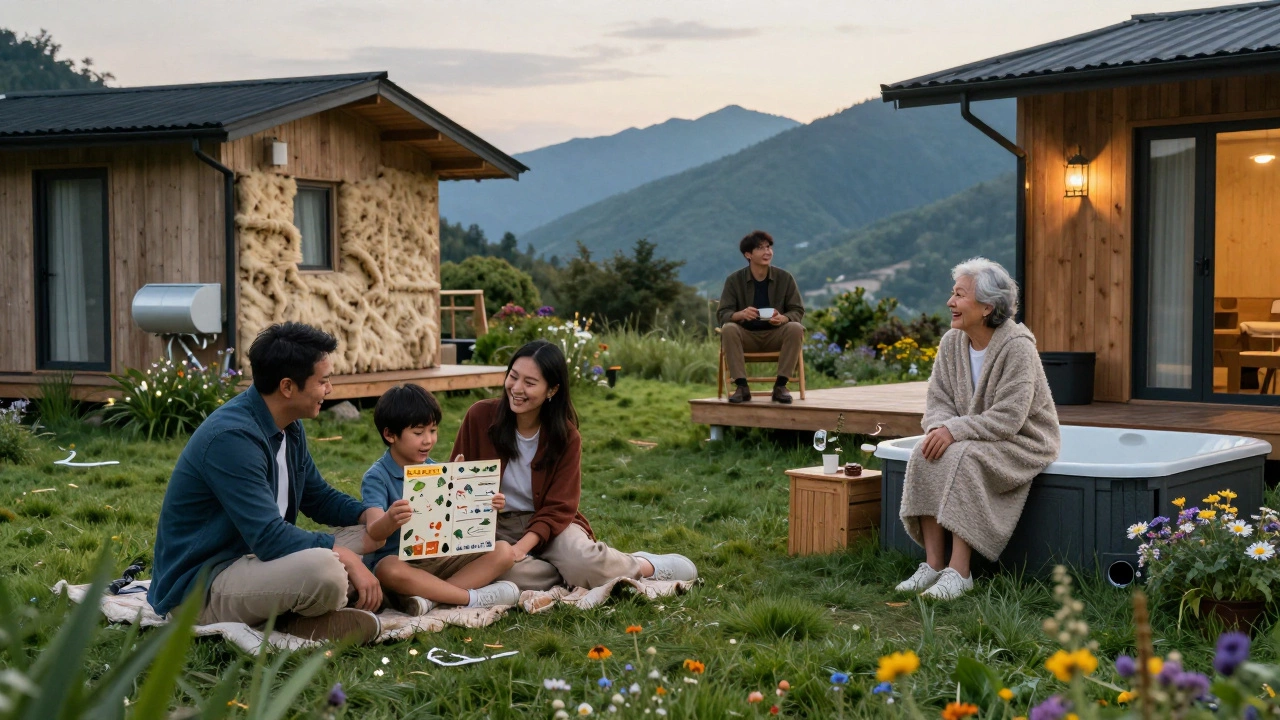
You might think glamping is just for couples on romantic getaways. And yes, it’s popular with them - 55% of bookings are for couples. But it’s also growing fast among families, solo travelers, and even retirees.
Families love that kids can run around safely on grassy lawns while parents relax in hammocks. No need to worry about hotel pools or crowded playgrounds. Solo travelers appreciate the quiet, the privacy, and the chance to reset without feeling isolated. One 68-year-old woman from Minnesota told a reporter she booked her first glamping trip after her husband passed away. "I didn’t want to be in a room with strangers," she said. "But I didn’t want to be alone either. This felt like the right middle ground."
Even corporate retreats are switching to glamping. Tech companies in California and Seattle now book entire glamping clusters for team-building retreats. Why? Because they’ve found that employees who sleep under the stars report higher creativity and lower stress levels the next day.
How Much Does It Actually Cost?
Glamping isn’t cheap - but it’s not as expensive as you might think. Prices vary wildly depending on location, season, and amenities. A basic eco-cottage in the Midwest might run $180 a night. A luxury geodesic dome in Colorado with a private hot tub and chef-prepared breakfast? That’s $650. But compare that to a luxury hotel in the same area: $800+ for a room with a view, no outdoor access, and no real connection to nature.
Here’s a rough breakdown of what you’re paying for:
| Location Type | Average Price (USD) | What’s Included |
|---|---|---|
| Forest Cabin (Midwest) | $160-$220 | Bed, heating, bathroom, basic kitchenette |
| Desert Dome (Southwest) | $350-$500 | Climate control, solar power, outdoor shower, stargazing kit |
| Mountain Lodge (Rockies) | $500-$700 | Hot tub, chef’s breakfast, guided hike, firepit, Wi-Fi |
| Coastal Yurt (Pacific Northwest) | $400-$600 | Ocean view, private deck, organic coffee, kayak access |
Most places offer discounts for multi-night stays. And many include meals, activities, or even airport transfers - something you’d pay extra for at a hotel.
Why Eco-Friendly Cottages Are the Future
Luxury camping isn’t just a trend. It’s a shift in how people think about travel. Hotels are energy hogs. Cruise ships pollute oceans. Even "eco-friendly" resorts often rely on imported materials and long-distance supply chains.
Glamping cottages, by contrast, are built to last. They’re designed to blend into the landscape, not dominate it. Many use local labor and materials. Some even pay landowners a percentage of revenue to preserve natural habitats.
One company in Vermont runs a "Stay, Plant, Protect" program: for every booking, they plant three native trees. Since 2021, they’ve planted over 22,000 trees. Guests get a photo of their tree with a GPS location - and can visit it years later.
This isn’t marketing fluff. It’s accountability. And it’s why people keep coming back.
What to Look for When Booking
Not all "glamping" is created equal. Some places slap a king-sized bed in a tent and call it luxury. Here’s how to spot the real thing:
- Check the materials - real wood, stone, and recycled fabrics are signs of care.
- Look for off-grid power - solar panels, wind turbines, or geothermal systems mean they’re serious about sustainability.
- Read reviews for mentions of noise, bugs, or leaks - if people complain about mosquitos or a leaky roof, skip it.
- See if they offer local experiences - a site that just rents cabins isn’t doing glamping. One that connects you with local guides, farmers, or artists is.
- Ask about waste management - composting toilets and recycling programs are non-negotiable for true eco-luxury.
And don’t be afraid to ask questions. The best glamping operators love talking about their design choices. If they can’t explain how their insulation works or where their water comes from, it’s probably not the real deal.
Where to Start
Some of the most popular glamping destinations in 2026 include:
- Big Sur, California - Cliffside yurts with ocean views and private firepits.
- Algonquin Park, Ontario - Log cabins with wood stoves and moose-spotting tours.
- Moab, Utah - Geodesic domes with telescope access and dark-sky certification.
- Scottish Highlands - A-frame cabins with hot tubs under the Northern Lights.
- Patagonia, Chile - Sustainable pods with panoramic windows facing glaciers.
Each offers something unique - but they all share the same goal: to make nature feel luxurious, not intimidating.
Is Glamping Right for You?
If you’ve ever thought, "I love the outdoors, but I hate being uncomfortable," then yes. If you’ve ever stayed in a hotel and felt like you were just another guest in a machine, then yes. If you want to sleep under stars, wake up to birdsong, and still have a real shower and a warm meal - then glamping isn’t just an option. It’s the answer.
You don’t need to be an outdoors expert. You don’t need to pack a single tent. You just need to be curious.
Is luxury camping the same as glamping?
Yes. "Luxury camping" and "glamping" are used interchangeably. "Glamping" is a blend of "glamorous" and "camping," and it’s the term most resorts and booking sites use today. Both refer to high-end outdoor stays with real beds, private bathrooms, and climate control - not tents with sleeping bags.
Are eco-friendly cottages really better for the environment?
Compared to traditional hotels, yes - often by a wide margin. Most eco-cottages use renewable energy, collect rainwater, compost waste, and avoid single-use plastics. A 2025 study from the University of British Columbia found that glamping sites emit 73% less CO2 per guest than comparable hotels. They also use 60% less water and generate 85% less landfill waste. The key is choosing operators who are transparent about their practices - not just using "eco" as a buzzword.
Can families with young kids enjoy glamping?
Absolutely. Many glamping sites are designed with families in mind. They offer child-safe decks, outdoor play areas, and even kids’ activity packs with nature scavenger hunts. Unlike hotels, there’s no risk of falling off a balcony or stepping on a Lego in the hallway. Kids can explore safely, and parents can relax knowing their children are surrounded by nature - not crowds.
Do I need special gear for luxury camping?
No. You bring clothes, toiletries, and maybe a book. Most glamping sites provide bedding, towels, soap, and even bathrobes. Some include coffee makers, kitchen supplies, and firewood. You might want to bring sturdy shoes if you plan to hike, but you don’t need a sleeping bag, lantern, or camping stove. It’s designed to be effortless.
Is luxury camping expensive compared to hotels?
It depends. A basic glamping cabin costs about the same as a mid-range hotel. But when you add in what’s included - meals, activities, private outdoor space, and nature access - glamping often becomes a better value. You’re not paying for a lobby, a gym, or a restaurant that’s open 24/7. You’re paying for a unique, immersive experience that you can’t get anywhere else.
If you’ve ever felt like you had to choose between comfort and nature - you didn’t. Luxury camping proves you can have both.