The Most Sustainable Way to Build: A Guide to Eco-Friendly Cottages
Eco-Friendly Cottage Carbon Footprint Calculator
Select your primary building material to see how it impacts your cottage's carbon footprint compared to traditional options.
Choose Your Primary Material:
Carbon Impact Analysis
💡 Sustainability Insight
By choosing CLT over concrete, you're storing 1,350 kg of CO₂ instead of emitting it. This is equivalent to planting 60 trees!
🌳 Equivalent Tree Offset
60 trees needed to offset this carbon footprint
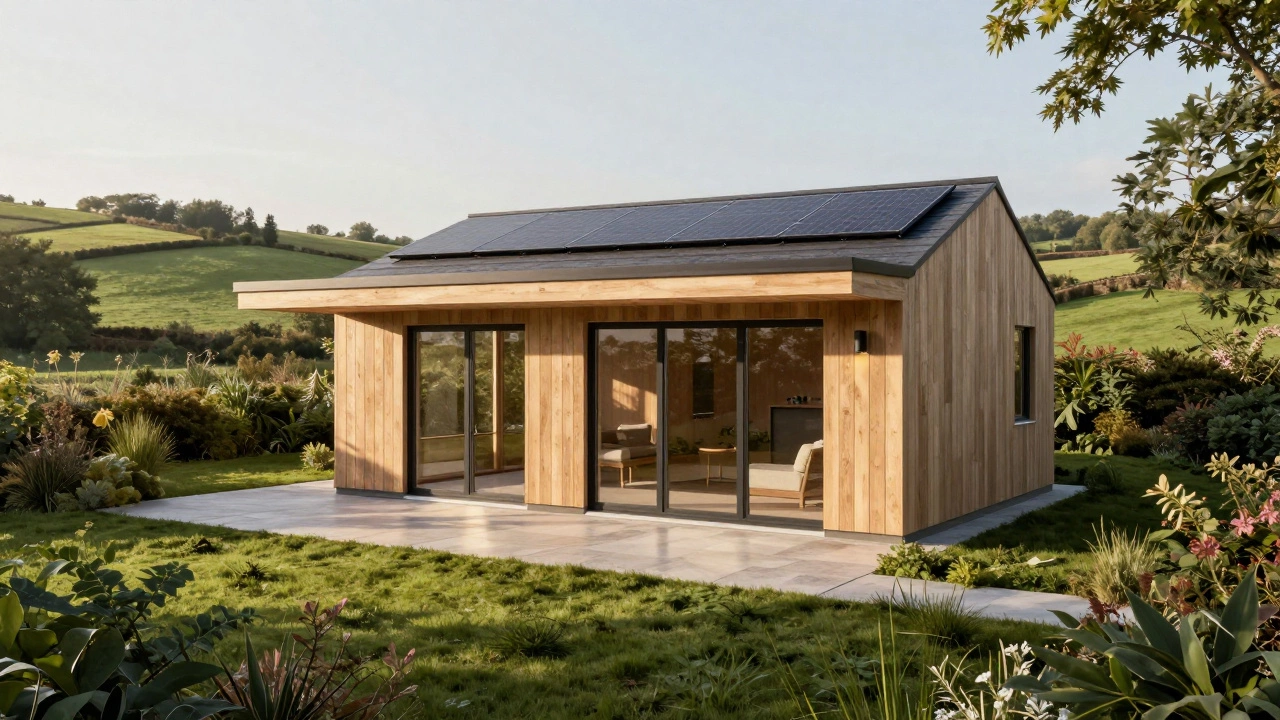
Building a home used to mean ordering concrete trucks and buying lumber that traveled thousands of miles. Today, the most sustainable way to build looks very different. It’s not just about adding solar panels on top of a traditional house. It is about changing how we think about materials, energy, and the land itself. If you are dreaming of an eco-friendly cottage, which is a small, efficient dwelling designed to minimize environmental impact through natural materials and passive energy systems, you need to look beyond the basics.
The goal isn’t just to be "green." It is to create a structure that gives back more than it takes. This means looking at the entire lifecycle of your home, from the dirt under the foundation to the air inside the walls. Let’s break down what actually works in 2026 for those who want to build responsibly.
Start with Passive Design Before You Buy Materials
Most people jump straight to choosing wood or straw bales. But the single biggest factor in sustainability is how much energy your home needs to heat and cool. If you ignore this, even the greenest materials won’t save you. This approach is called Passive House design, which is a rigorous, voluntary standard for energy efficiency in buildings that reduces the building's ecological footprint.
Imagine orienting your cottage so the large windows face south (in the Northern Hemisphere). In winter, the sun heats the thermal mass of the floor-maybe polished concrete or stone. In summer, overhangs block that same sun. You aren’t fighting the climate; you’re working with it. When you reduce the load on your heating system by 90%, you can size down your equipment significantly. That saves money upfront and cuts emissions for decades. It’s the smartest first step you can take.
- Orient correctly: Maximize southern exposure for natural light and heat.
- Super-insulate: Use thick insulation layers to keep temperatures stable year-round.
- Airtightness: Seal every gap to prevent heat loss, using a mechanical ventilation system with heat recovery to keep air fresh without losing warmth.
Choose Low-Carbon Materials That Store Energy
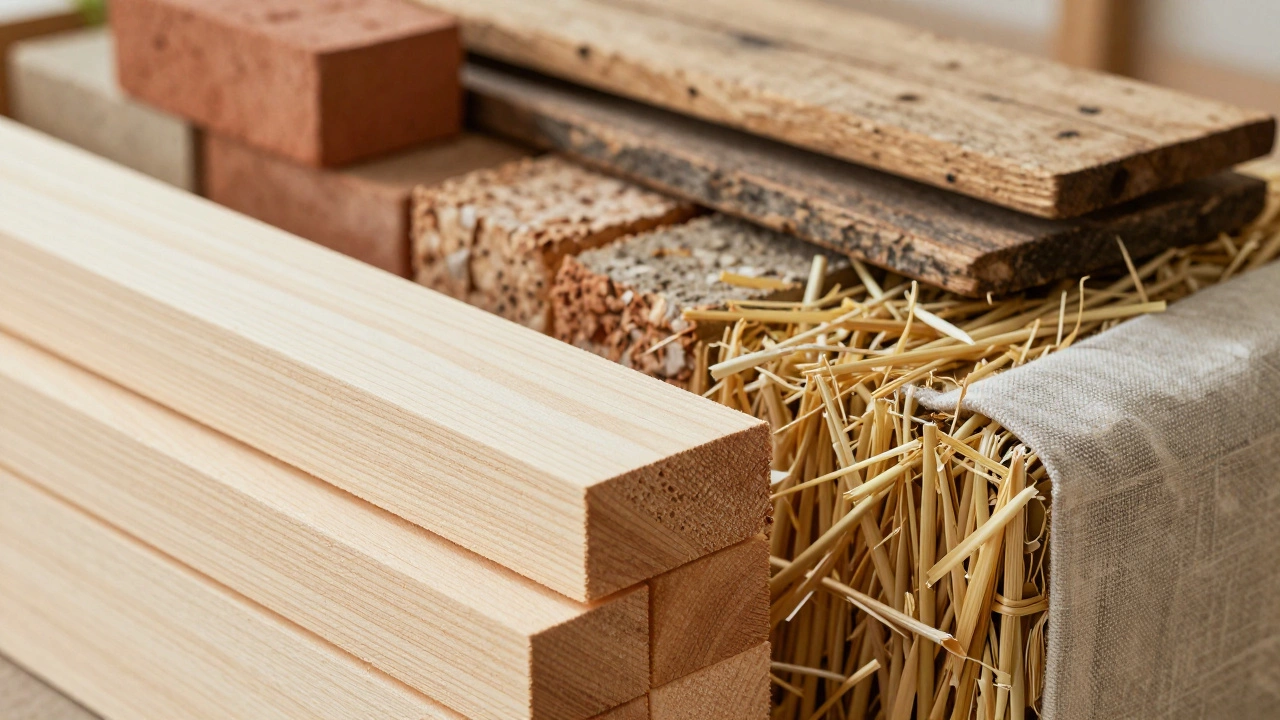
Once your design is locked in, it’s time to pick materials. Concrete has a huge carbon footprint because of cement production. Steel is energy-intensive to make. The most sustainable alternatives are often right outside your door. We are seeing a massive shift toward Mass Timber, which is engineered wood products like cross-laminated timber (CLT) that serve as a renewable alternative to steel and concrete in construction.
Wood doesn’t just have a lower embodied carbon than steel or concrete; it actually stores carbon. When trees grow, they pull CO2 from the atmosphere. If you use locally sourced timber, that carbon stays locked in your walls. For a cottage, you might also look at Straw Bale Construction, which is a method using compressed agricultural waste as insulation, offering high R-values and fire resistance when properly plastered. Straw is a waste product from farming, so using it keeps it out of landfills. It provides incredible insulation and creates a cozy, breathable interior.
| Material | Embodied Carbon (kg CO2e/m3) | Sustainability Factor | Best Use Case |
|---|---|---|---|
| Concrete | ~120-150 | High emissions due to cement | Foundations, thermal mass floors |
| Steel | ~180-200 | Energy intensive, but recyclable | Structural beams, roofing frames |
| Cross-Laminated Timber (CLT) | ~-100 to -200 (Carbon Negative) | Renewable, stores carbon | Walls, floors, roofs |
| Straw Bales | ~0 (Waste product) | Agricultural waste, high insulation | Infill insulation for walls |
Don’t forget reclaimed materials. Using old bricks, barn wood, or vintage fixtures adds character and avoids the carbon cost of manufacturing new items. It’s a win for style and the planet.
Think About Water and Waste Systems
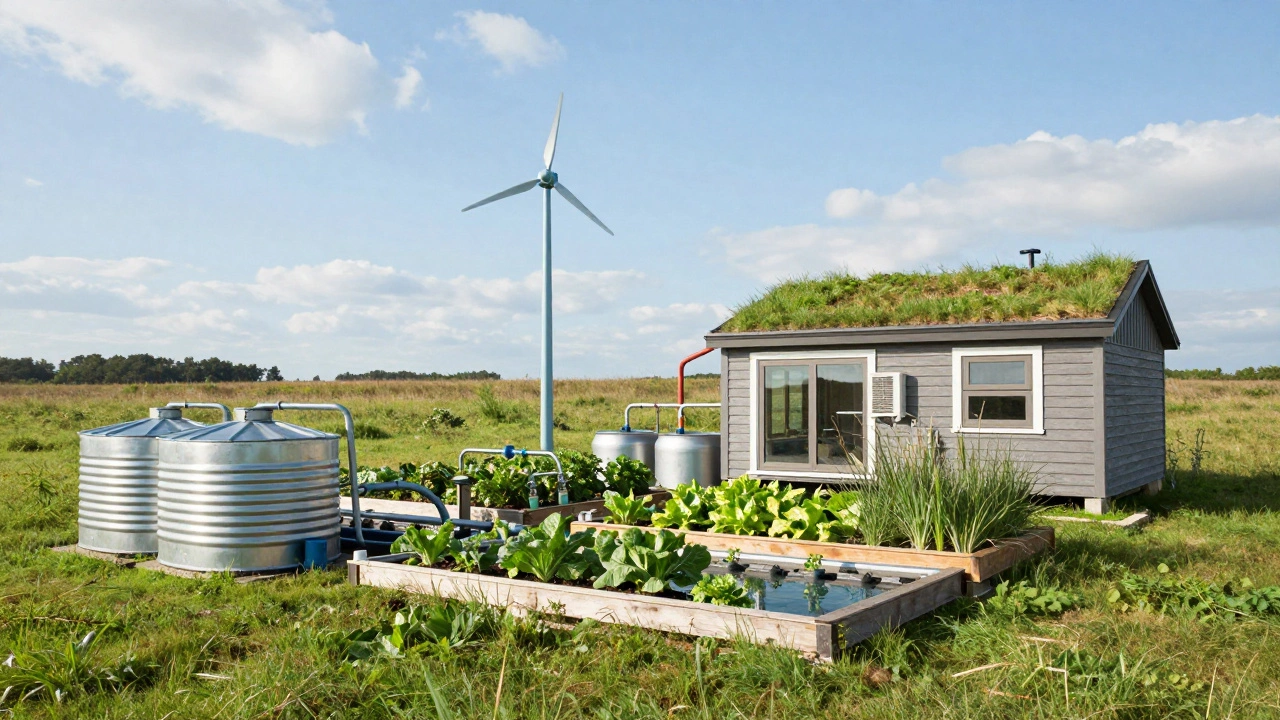
A truly sustainable cottage doesn’t just save energy; it manages resources wisely. In places like Vancouver, where rain is plentiful, capturing water is easy. Install a simple rainwater harvesting system. You can store this water for gardening or even treat it for indoor use. This reduces strain on municipal supplies and lowers your utility bills.
For sewage, consider a composting toilet or a greywater system. Greywater is wastewater from sinks and showers. Instead of sending it to the sewer, you can filter it and use it to irrigate your landscape. This closed-loop system mimics nature. It turns waste into a resource. These systems require some maintenance, but they drastically reduce your environmental footprint.
Power Your Home with Renewables
Even the best insulated home needs some electricity. The cleanest way to power it is directly from the source. Solar panels are now more efficient and affordable than ever. For a small cottage, a modest array might cover all your needs. Pair this with a home battery system to store excess energy for cloudy days or nighttime use.
If solar isn’t feasible due to shading or local regulations, look into geothermal heat pumps. They use the stable temperature of the earth to heat and cool your home. They are incredibly efficient, often producing three to four units of heat for every unit of electricity consumed. This makes them far superior to traditional gas furnaces or electric resistance heaters.
Build for Longevity and Adaptability
Sustainability isn’t just about the initial build. It’s about how long the building lasts. A home that falls apart in 30 years is wasteful. Choose durable materials and quality craftsmanship. Design flexible spaces that can adapt as your life changes. Maybe the guest room becomes an office, or the garage becomes a studio. By avoiding the need for major renovations, you preserve the energy already invested in the structure.
Also, consider the end of life. Can your materials be disassembled and reused? Modular construction allows for easier repairs and updates. This "design for disassembly" mindset ensures that when your cottage eventually reaches the end of its life, it doesn’t end up in a landfill.
Local Context Matters
There is no one-size-fits-all solution. What works in the dry desert differs from what works in the rainy Pacific Northwest. In Vancouver, moisture management is critical. You need proper flashing, vapor barriers, and breathable materials to prevent mold. Using local cedar, which is naturally resistant to rot, makes sense here. In drier climates, thermal mass like adobe or rammed earth might be better for regulating temperature swings.
Talk to local builders who understand the microclimate. They know which materials hold up best against specific weather patterns. This local knowledge prevents costly mistakes and ensures your sustainable choices are practical.
Is building an eco-friendly cottage more expensive?
Initially, yes. High-performance insulation, airtight sealing, and renewable energy systems cost more upfront. However, these costs are offset by significantly lower utility bills and maintenance costs over time. Many governments also offer tax credits or rebates for green building practices, which can reduce the initial investment.
What is the most sustainable material for a cottage roof?
Metal roofs are highly sustainable because they last 50+ years and are fully recyclable. They also reflect sunlight, reducing cooling costs. Another option is living roofs (green roofs), which provide insulation, manage stormwater, and support biodiversity, though they require structural reinforcement.
Can I build an eco-friendly cottage myself?
Yes, many elements like framing, insulation, and finishing can be DIY projects. However, critical systems like electrical, plumbing, and structural integrity should be handled by licensed professionals to ensure safety and code compliance. Start with smaller projects to gain experience.
How do I ensure my eco-friendly cottage stays warm in winter?
Focus on passive solar design, super-insulation, and airtightness. Use a heat recovery ventilator (HRV) to maintain air quality without losing heat. Supplement with a highly efficient heat pump or wood stove if needed. Proper window placement and shading are also crucial.
Are there zoning laws that restrict sustainable building methods?
Some areas may have restrictions on alternative materials like straw bale or earthships. Always check local building codes and zoning regulations before starting. Engage with local officials early in the planning process to discuss your intentions and find compliant solutions.