The Real Limitations of Building an Eco-Friendly Home in 2026
Eco-Friendly Home Cost & Limitation Estimator
Project Parameters
Financial Analysis
Total Eco-Build Cost
Payback Period
Cost Breakdown:
Potential Limitations & Risks
Based on your selected Green Premium level, here are the likely challenges you will face according to current market realities:
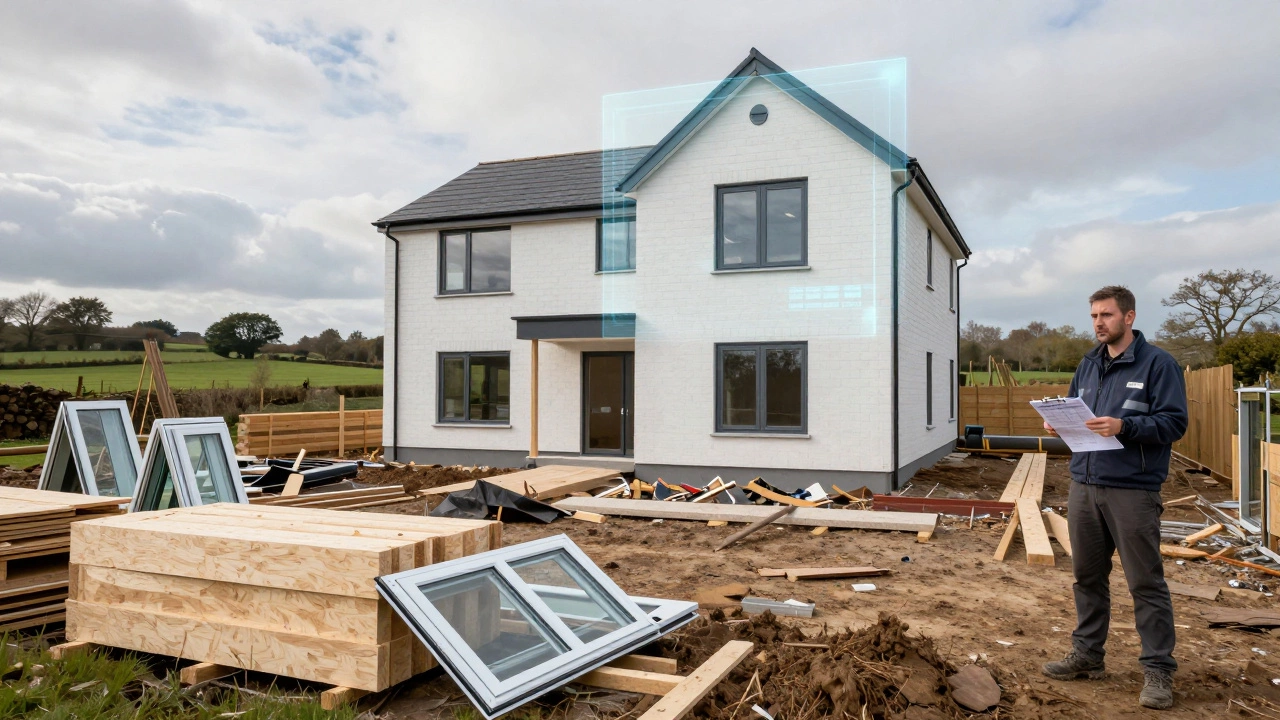
You’ve seen the photos. The sleek timber-clad cabin nestled in the woods, the solar-paneled roof catching the morning light, the rainwater harvesting system that looks like it belongs in a sci-fi movie. It’s easy to imagine your life there: quiet, clean, and completely disconnected from the carbon-heavy grid. But before you sign those contracts or start clearing land, we need to talk about the friction. Building an eco-friendly home isn’t just about buying better materials; it is a complex negotiation with physics, local bureaucracy, and your own wallet.
In 2026, the technology for sustainable living is better than ever. Heat pumps are efficient, battery storage is cheaper, and recycled steel is widely available. Yet, the gap between a theoretical zero-carbon design and a livable, legal, affordable reality remains wide. If you are planning to build an eco-cottage or a net-zero house, you will hit walls. Some are made of red tape, some of concrete, and some of pure economics. Here is what actually holds back the dream of the perfect green home.
The Upfront Cost Shock
Let’s address the elephant in the room first: money. While operating costs for green homes drop significantly over time, the initial capital outlay is often 15% to 30% higher than conventional construction. This isn’t because sustainable materials are inherently expensive, but because they are not yet produced at the same industrial scale as drywall and vinyl siding.
When you choose cross-laminated timber (CLT) instead of standard lumber, or specify triple-glazed windows with argon gas fills, you are paying for specialized manufacturing. In many regions, skilled laborers who understand how to install air-tight membranes or integrate geothermal systems are scarce. You aren’t just paying for their time; you are paying for their expertise. A standard contractor might quote you one price, but when they realize you want a passive-house level of insulation, that number jumps. The 'green premium' is real, and unless you have a substantial buffer in your budget, it can stall projects before the foundation is even poured.
Zoning Laws and Heritage Restrictions
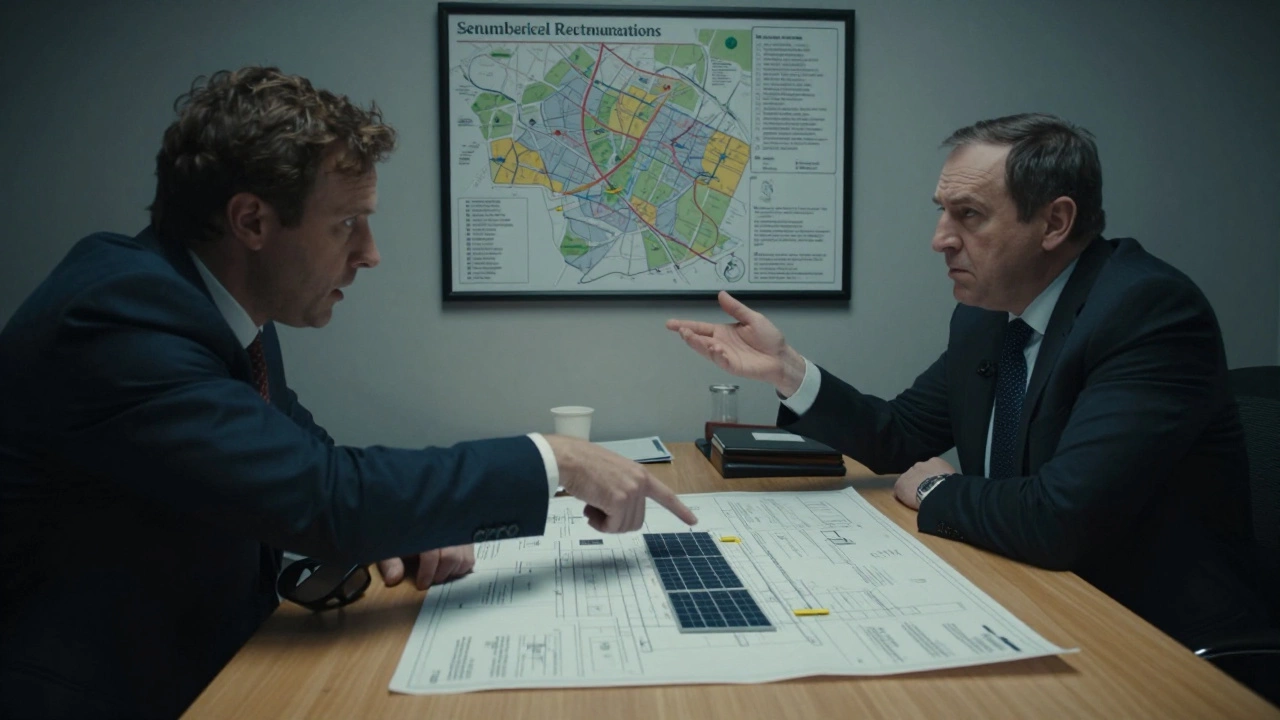
You might have the land and the funds, but do you have the permission? Local zoning laws are often decades old and written with suburban sprawl in mind, not sustainability. Many municipalities still mandate minimum lot sizes that prevent dense, energy-efficient housing clusters. Others restrict roof pitches or angles, which can make installing optimal solar arrays impossible without violating aesthetic guidelines.
If you are looking at older properties or areas with heritage status, the limitations tighten further. You may be prohibited from replacing single-pane windows with high-performance glazing if it changes the 'character' of the building. Insulation upgrades might be banned if they require altering exterior brickwork. These regulations are designed to preserve history, but they actively work against modern energy efficiency standards. Navigating this requires not just an architect, but a lawyer who understands municipal code.
Material Availability and Supply Chain Gaps
Sustainable building relies on specific materials: hempcrete, rammed earth, reclaimed wood, and low-VOC paints. The problem? They are not always available down the street. Unlike standard 2x4s or asphalt shingles, which are stocked at every big-box hardware store, eco-materials often require long-distance shipping. This creates a paradox: you save carbon by using natural materials, but you burn diesel transporting them across continents.
Furthermore, quality control varies wildly. A batch of bamboo flooring might look perfect in the showroom but warp within months due to improper curing. Recycled steel beams might have inconsistent dimensions, requiring custom fabrication on-site. When you step outside the standardized supply chain, you take on the risk of delays. If your preferred supplier of straw bales runs out of stock, your build timeline doesn’t just pause; it collapses.
Performance vs. Comfort Trade-offs
An eco-friendly home is often a tightly sealed vessel. To minimize heat loss, you eliminate drafts. But this also means you cannot rely on natural ventilation alone. You must install Mechanical Ventilation with Heat Recovery (MVHR) systems. These are essential, but they add complexity. If the filters clog or the fans fail, indoor air quality drops rapidly. You trade the simple act of opening a window for a mechanical system that requires maintenance.
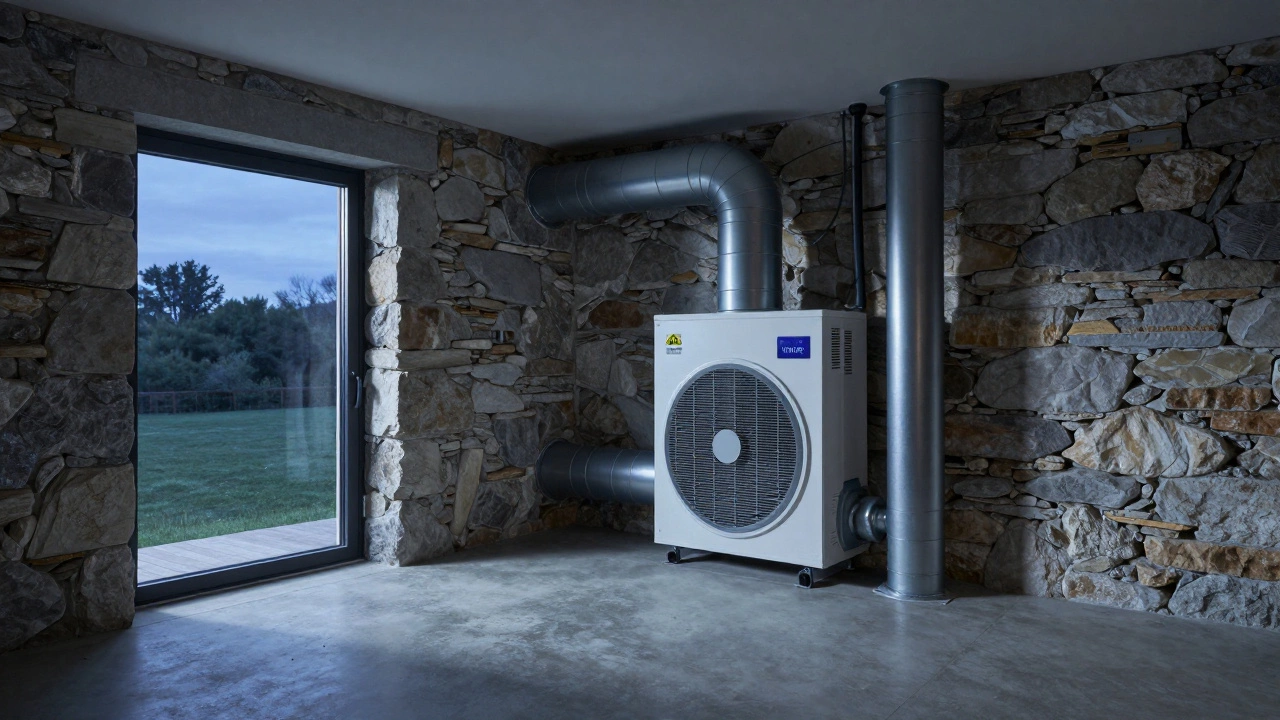
Thermal mass is another double-edged sword. Materials like stone or concrete absorb heat during the day and release it at night, stabilizing temperatures. However, in colder climates, these materials take forever to warm up. You might find yourself sitting in a cold stone-walled room for hours after turning on the heat pump, waiting for the thermal mass to catch up. Designing for comfort in a highly insulated envelope requires precise modeling. Get it wrong, and you end up with a home that is either too humid, too dry, or simply uncomfortable to live in.
The Resale Market Reality
Here is a hard truth: not every buyer cares about your carbon footprint. While the market for green homes is growing, it is still niche. A potential buyer might look at your passive house and see outdated aesthetics, unusual materials they don’t trust, or a mortgage appraisal that undervalues the property because comparable sales in the neighborhood are traditional builds.
Lenders are slowly adapting, but many still use automated valuation models that struggle to account for the value of solar panels or superior insulation. You might pay $300,000 more to build a net-zero home, only to sell it for $200,000 above the market average. The return on investment is rarely immediate. You are making a lifestyle choice, not necessarily a financial hedge. If you plan to move in five years, the limitations of the resale market could eat into your savings.
Maintenance and Specialized Repairs
Green homes often use unfamiliar technologies. Green roofs require regular trimming and drainage checks. Solar tubes need cleaning. Composting toilets need monitoring. If you are used to flushing waste away and never thinking about it again, the shift to closed-loop systems demands attention. Neglect these systems, and they fail spectacularly.
Moreover, finding someone to fix them is difficult. If your geothermal loop leaks, you can’t call a generic plumber. You need a specialist certified in ground-source heat exchange. These experts are rare and expensive. The longevity of eco-materials is often touted as a benefit, but when something does break, the repair process is slower and costlier than replacing a standard part. You are trading frequent minor repairs for infrequent major ones, but the stress of the latter is significant.
| Factor | Conventional Home | Eco-Friendly Home |
|---|---|---|
| Upfront Cost | Predictable, lower baseline | 15-30% higher, variable quotes |
| Regulatory Hurdles | Standard codes apply easily | Frequent conflicts with zoning/aesthetics |
| Material Sourcing | Locally available, standardized | Specialized, potential shipping delays |
| Ventilation | Natural, open windows | Requires MVHR, filter maintenance |
| Resale Value | Broad market appeal | Niche appeal, appraisal gaps |
How to Navigate These Limitations
Knowing the limits doesn’t mean you shouldn’t build. It means you should build smarter. Start with a phased approach. Don’t try to achieve net-zero on day one if the budget is tight. Focus on the basics: orientation, insulation, and airtightness. These provide the highest return on investment and are less likely to face regulatory pushback.
Engage with your local planning department early. Ask specifically about solar setbacks and renewable energy incentives. Sometimes, a small change in design can unlock grants or tax breaks that offset the upfront costs. Finally, educate yourself on maintenance. If you commit to a composting toilet or a greywater system, learn how they work before you buy them. Your home is a machine; treat it with respect, and it will serve you well.
Is it illegal to build an off-grid eco-home?
It depends entirely on your local jurisdiction. Most areas require connection to municipal water and sewage systems for health and safety reasons. However, some rural zones allow septic tanks and wells. Always check local zoning codes before purchasing land intended for off-grid living.
Do eco-friendly homes really save money in the long run?
Yes, but the payback period is typically 7 to 15 years. Lower utility bills, reduced heating costs, and potential tax incentives add up. However, if you sell the home before the payback period ends, you may not recoup the full initial investment through energy savings alone.
What is the biggest mistake people make when going green?
Overcomplicating the design. Many builders focus on flashy tech like solar tiles while neglecting basic insulation and air sealing. A poorly insulated home with solar panels is inefficient. Prioritize the building envelope first, then add renewable energy systems.
Can I retrofit my existing home to be eco-friendly?
Absolutely. Retrofitting is often more practical than new construction. Start with weather stripping, upgrading windows, adding attic insulation, and switching to LED lighting. These steps reduce energy demand significantly without major structural changes.
Are green building materials durable?
Many are, but not all. Bamboo and cork are highly durable for flooring. Hempcrete is resistant to mold and pests. However, some natural finishes may require more frequent reapplication than synthetic alternatives. Research the lifespan of each material specific to your climate.