Villa vs Cottage: Which Getaway is Right for You?
Getaway Matchmaker: Villa or Cottage?
Not sure which vibe fits your next trip? Answer a few questions to find your perfect match.
Who is coming along on this trip?
Your Perfect Match!
The Cottage Experience
You're looking for intimacy, slow living, and a sanctuary to disconnect.
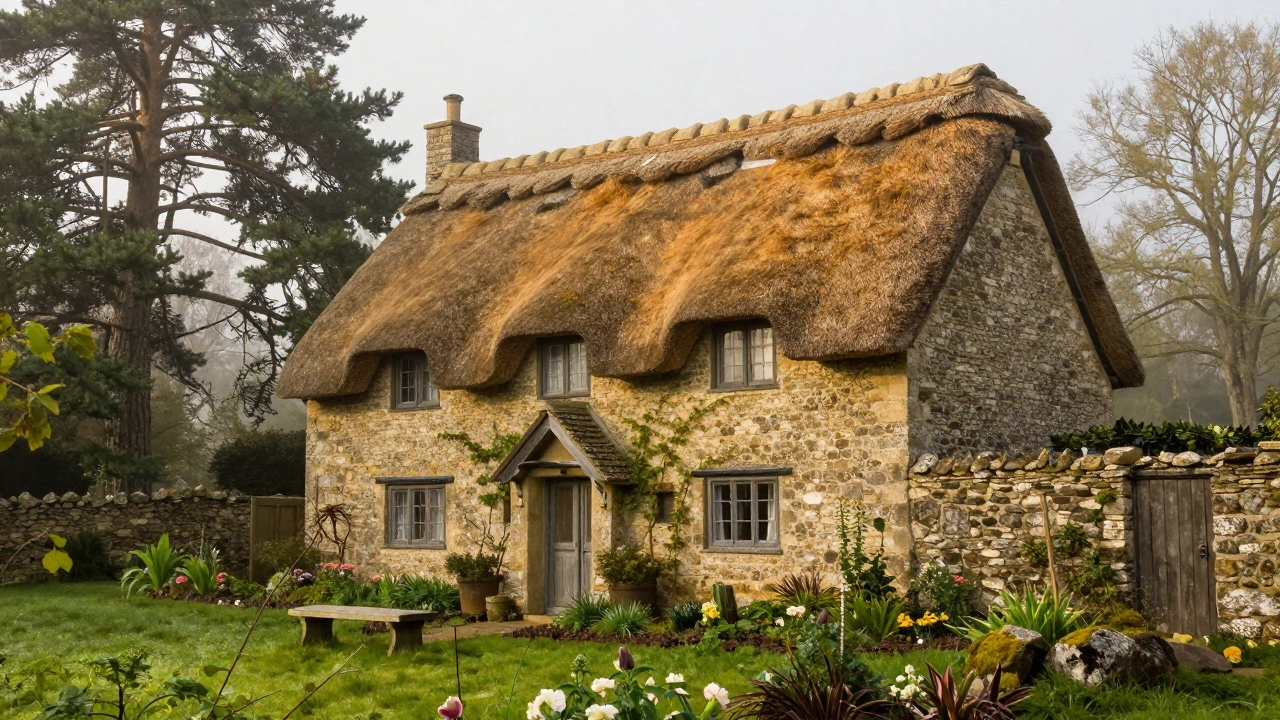
To get started, let's define our terms. Cottage is a small, cozy dwelling, typically found in rural or semi-rural areas, often characterized by its traditional architecture and connection to nature. Historically, these were modest homes for agricultural workers, but today, they've become the gold standard for "slow living" and romantic retreats.
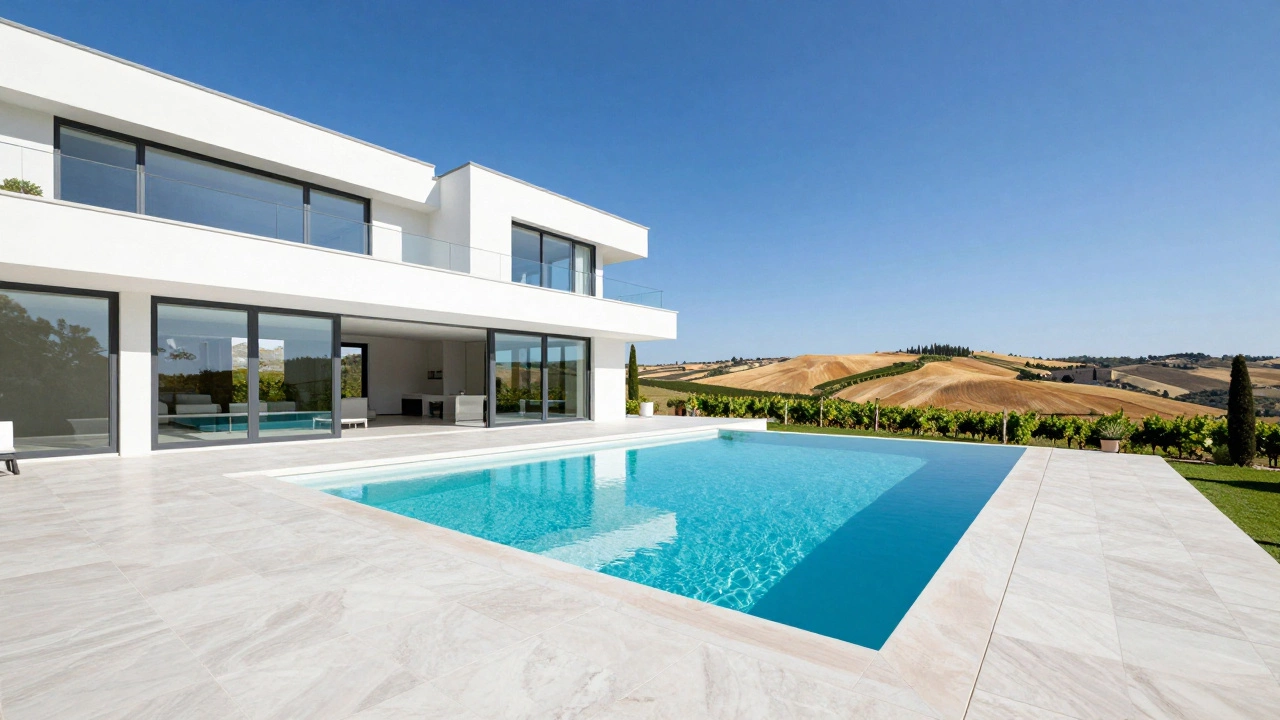
On the other side of the spectrum, a Villa is a large, luxurious country residence, often with a private pool and expansive gardens, historically originating from the estates of ancient Rome. While a cottage is about intimacy and simplicity, a villa is about scale, prestige, and openness.
Key Takeaways: At a Glance
- Cottages: Best for cozy atmospheres, rural landscapes, and a "back-to-basics" feeling. Usually smaller and more traditional.
- Villas: Ideal for large groups, luxury amenities, and sunny climates. Defined by space, privacy, and high-end facilities.
- Vibe: Cottages feel like a warm hug; villas feel like a private resort.
The Vibe and Atmosphere: Cozy vs. Grand
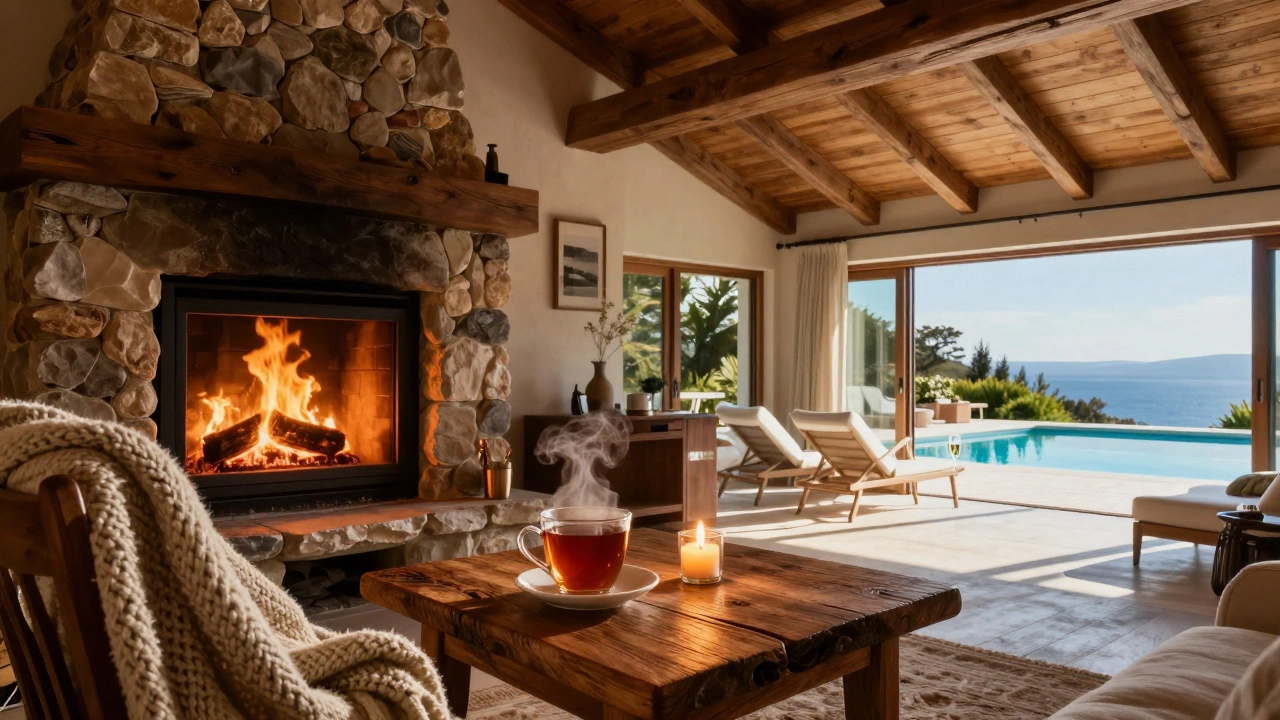
When you step into a cottage, the first thing you notice is the scale. Everything is designed to feel enclosed and protective. You'll find thick walls, perhaps a stone fireplace that's been burning for centuries, and nooks that invite you to curl up with a book. It's an architecture of intimacy. Think of a small hamlet in the Cotswolds or a wooded retreat in Nova Scotia. The goal here isn't to impress guests; it's to create a sanctuary where you can disconnect from the digital world.
Villas operate on a completely different logic. They are designed to impress and to facilitate social gatherings. Instead of nooks, you have grand halls. Instead of a cozy hearth, you have an open-concept living area that flows directly onto a poolside terrace. A villa in Tuscany or Bali isn't just a house; it's a destination. The atmosphere is one of leisure and abundance. You aren't hiding away from the world in a villa; you are hosting the world in your own private paradise.
Architectural DNA and Materials
The materials used in these homes tell a story about where they come from. Cottages often lean heavily on local, organic materials. You'll see a lot of fieldstone, heavy timber, and thatched roofs. In the UK, for example, many traditional cottages use wattle and daub-a mixture of mud, straw, and clay-which gives them those characteristic rounded edges and organic shapes. The windows are usually small to keep the heat in during cold winters.
Villas, especially modern ones, favor materials that emphasize light and luxury. Think polished marble floors, expansive glass walls, and stucco exteriors in light colors to reflect the sun. While a cottage focuses on insulation and warmth, a villa focuses on ventilation and integration with the outdoors. The transition between the indoor living room and the outdoor patio is often seamless, utilizing sliding glass doors that disappear into the walls.
| Feature | Cottage | Villa |
|---|---|---|
| Primary Goal | Cozy retreat/Simplicity | Luxury/Entertainment |
| Typical Size | Small to Medium | Large to Very Large |
| Key Amenity | Fireplace/Garden | Private Pool/Terrace |
| Common Locations | English Countryside, Forests | Mediterranean, Tropical Coasts |
| Architecture | Rustic, Traditional | Grand, Modern/Classical |
Location, Location, Location
While you can find both anywhere, they have "spiritual homes." Cottages are the kings of the temperate and cold climates. They thrive in the mist of the Scottish Highlands or the autumn leaves of New England. The environment is usually a primary part of the appeal-hiking trails, nearby streams, and quiet village squares. The cottage is a shell that protects you from the elements while letting you enjoy them.
Villas are most at home in the sun. The word itself evokes images of the Mediterranean. Whether it's the French Riviera, the coasts of Spain, or the islands of Greece, villas are built to embrace the heat. They often feature shaded courtyards and wide eaves to keep the interior cool. While you can have a "luxury villa" in a city, the classic definition always ties back to a sprawling estate in a scenic, often warm, location.
Who Should Choose What?
Choosing between the two depends entirely on the "job" you want your vacation to do. If you're looking for a romantic getaway with a partner or a quiet solo retreat to finish a novel, a cottage is the winner. There is something about the limited space and the crackle of a fire that forces you to slow down and be present. It's about the quality of the moment, not the quantity of the square footage.
On the other hand, if you're planning a multi-generational family reunion or a trip with a group of friends, a villa is the only logical choice. Trying to fit eight adults into a three-bedroom cottage is a recipe for tension. A villa provides the necessary "zones"-private bedrooms for everyone, a massive kitchen for communal meals, and a pool where people can lounge without stepping on each other's toes. It's about freedom and shared luxury.
Common Misconceptions
One common mistake is thinking that "villa" is just a fancy word for "big house." It's not. A large house in the suburbs of Chicago isn't a villa. A villa implies a specific relationship with the land and a level of luxury that includes outdoor living spaces as a core component. Similarly, people often think cottages are only "old-fashioned." In reality, there's a huge trend toward "modern cottages" that keep the cozy aesthetic but add high-speed internet, underfloor heating, and gourmet kitchens.
Another point of confusion is the pricing. Many assume villas are always more expensive. While the total cost is higher because they are larger, the cost per person can actually be lower in a villa when you split it among a large group. A small, high-end boutique cottage can sometimes cost as much as a mid-range villa if the location is exclusive enough.
Practical Tips for Booking
When searching for these properties, use specific keywords to avoid disappointment. If you want a true rustic experience, look for terms like "detached," "traditional," or "period features." Be wary of "modern cottages" if you're looking for that old-world charm; they can sometimes be just small houses with a coat of paint.
For villa hunters, the key is to check the "service level." Some villas are completely self-catering, while others come with a Concierge or a private chef. If you're booking for a group, always ask about the bathroom-to-bedroom ratio. There is nothing that kills a luxury vibe faster than five people waiting for one shower in a five-bedroom villa.
Can a house be both a villa and a cottage?
Generally, no. They are defined by opposing philosophies: one is about modesty and coziness (cottage), and the other is about grandeur and luxury (villa). While you might find a "luxury cottage," it still maintains the small-scale, cozy feel that prevents it from being a villa.
Are villas always by the beach?
Not always, but they are frequently located in coastal or scenic areas. You can find villas in the mountains or the countryside (like the Tuscan hills), but they always maintain that sense of being a private estate rather than just a residential home.
Which one is better for a romantic honeymoon?
It depends on your style. If you want "cuddling by the fire and rainy days," go for a cottage. If you want "champagne on a terrace and midnight swims," a villa is the way to go.
Do cottages always have thatched roofs?
No, that's a stereotype mostly associated with English cottages. Many cottages have slate, tile, or shingle roofs depending on the region. The "cottage style" is more about the overall size, feel, and rural setting than one specific roof type.
Is a chalet a type of cottage or villa?
A chalet is its own entity, specifically tied to the Alpine regions of Europe. While it shares the "coziness" of a cottage and sometimes the "size" of a villa, its defining feature is the wide, overhanging eaves designed to handle heavy snowfall.