What Are the Three Types of Self-Catering Accommodation?
When you’re planning a trip and want the freedom to cook your own meals, sleep in a real home, and avoid the noise of hotel hallways, self-catering accommodation is often the smartest choice. But not all self-catering stays are the same. There are three main types you’ll run into - and each one suits a different kind of traveler. Knowing the difference helps you pick the right one for your trip, whether you’re traveling with kids, a partner, or a group of friends.
Detached Self-Catering Cottages
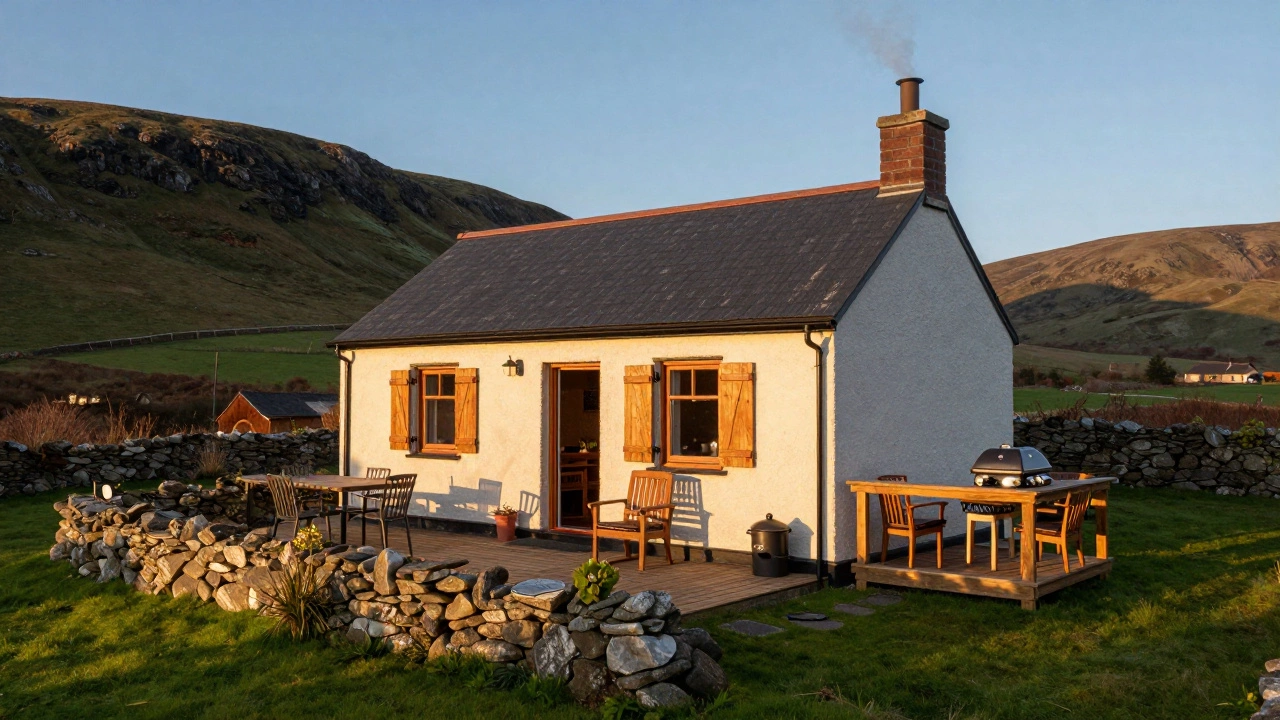
These are standalone homes, usually tucked away in the countryside, by a lake, or near the coast. Think of them as private vacation homes you rent for a week. They often come with a full kitchen, multiple bedrooms, a garden, and sometimes even a hot tub or fireplace. Detached cottages give you total privacy - no shared walls, no neighbors right outside your door.
They’re perfect for families or groups who want space to spread out. You can make pancakes in the morning without worrying about waking someone up, or sit outside after dinner with a bottle of wine under the stars. Many of these cottages are older buildings, restored with modern comforts. You might find exposed beams, stone floors, and wood-burning stoves. In the UK and Ireland, these are often called ‘holiday cottages’ and are popular in places like the Lake District, Cornwall, or the Scottish Highlands.
What to watch for: Some detached cottages are far from town. Make sure you know where the nearest grocery store is. And check if utilities like heating or Wi-Fi are included - some older properties charge extra for those.
Attached Self-Catering Units
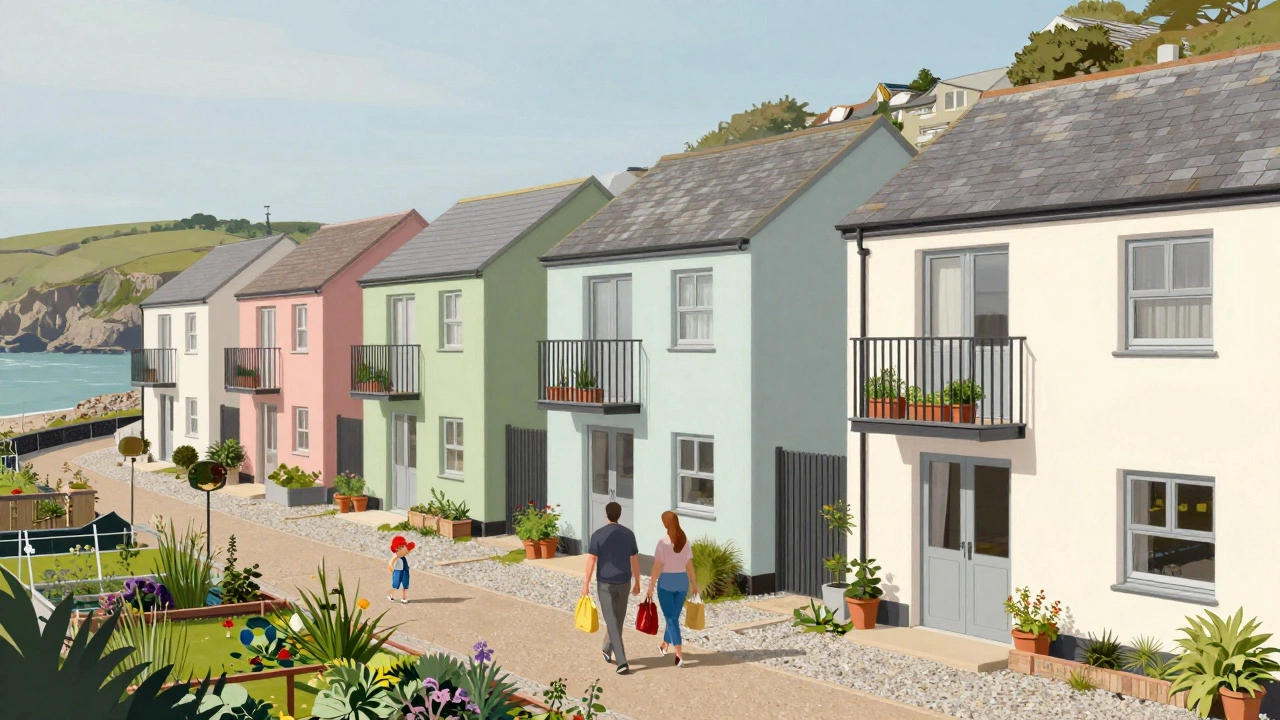
These are units that share one or more walls with another unit. Think of them as apartment-style rentals within a small complex - maybe two, three, or five units total. They’re often found in villages, near beaches, or in rural areas where land is limited. You’ll still have your own kitchen, bathroom, and living area, but you might hear your neighbors through the wall, or share a parking lot or garden.
They’re a good middle ground between a full cottage and a hotel room. You get the kitchen and space of a self-catering stay, but with less maintenance and often lower prices. Many are modern, with open-plan layouts and smart appliances. In places like the south of France or coastal Maine, you’ll find these clustered in small developments called ‘self-catering complexes’ or ‘holiday apartments’.
They’re great for couples or small families who don’t need a huge house but still want to cook their own meals. If you’re traveling on a budget but don’t want to stay in a hotel, this is often the sweet spot. Just ask if the property has soundproofing - some attached units are surprisingly thin-walled.
Converted Buildings (Barns, Stables, Church Halls)
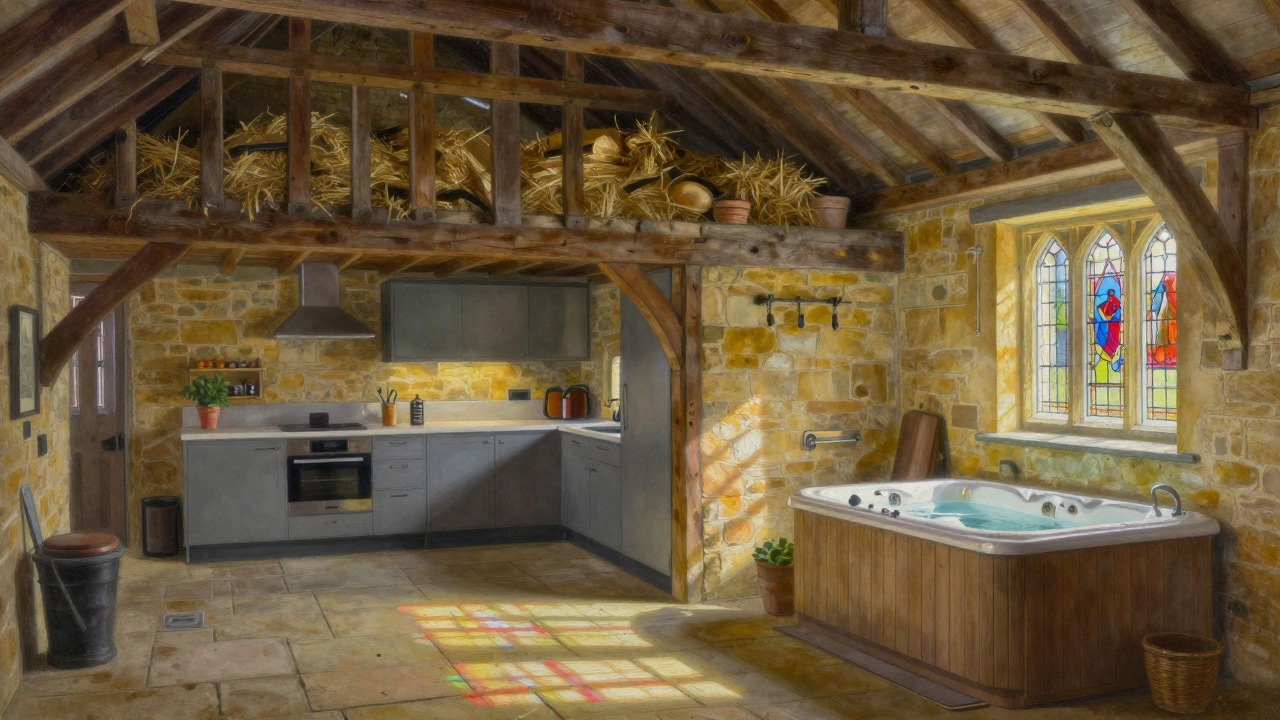
This is where creativity meets comfort. These are former functional buildings - like old barns, stables, churches, or even schoolhouses - turned into cozy, unique self-catering homes. The charm here is in the details: vaulted ceilings from an old chapel, wooden beams from a 200-year-old barn, or stained glass windows that still glow in the morning light.
These are popular in Europe, especially in the UK, Italy, and France, where historic preservation laws encourage adaptive reuse. A converted barn might have a modern kitchen tucked into the old hayloft, or a hot tub placed where the cows used to stand. They’re not always spacious, but they’re always memorable.
They’re ideal for travelers looking for something different - not just a place to sleep, but a story to tell. Couples love them for romantic getaways. Photographers and writers often book them for quiet inspiration. But they’re not always practical: some have uneven floors, small windows, or no central heating. Always check the photos carefully and read reviews that mention temperature control and accessibility.
What You Get in All Three Types
No matter which type you pick, you’ll always get the same core benefits:
- A fully equipped kitchen - fridge, stove, oven, microwave, and usually a dishwasher
- Laundry facilities - washer and dryer, or at least a clothesline and iron
- Bedding and towels - usually provided, but always double-check
- Basic supplies - soap, toilet paper, coffee, tea, and sometimes even spices
- Flexible check-in and check-out - often 24/7 with key boxes or smart locks
These aren’t just places to sleep - they’re homes that let you live like a local. You can buy fresh bread from the village bakery, cook dinner with local cheese, and eat outside under the trees. That’s the real value of self-catering: freedom to make your own rhythm.
How to Choose the Right One
Ask yourself these three questions before booking:
- How many people are you traveling with? Detached cottages work best for 4+ people. Attached units are fine for 1-3. Converted buildings vary - some sleep two, others sleep eight.
- How important is privacy? If you hate hearing neighbors, go detached. If you’re okay with shared outdoor space, attached is fine.
- Do you want character or convenience? Converted buildings have soul but may lack modern insulation. Attached units are usually newer and more efficient.
Also, check the cancellation policy. Self-catering rentals often have stricter rules than hotels. And always read the fine print on cleaning fees - some places charge $100+ just to turn over the property.
Real-World Example: A Family Trip to the Lake
Last summer, a family of five booked a detached cottage near Lake Windermere. They had three bedrooms, a big kitchen, and a deck with a grill. They bought groceries at the local market, cooked breakfast every morning, and had pizza nights on the deck. The kids played in the yard while the parents relaxed with wine. They spent less than they would have on a hotel with five rooms - and had way more fun.
They could’ve picked an attached unit - it would’ve been cheaper - but they wanted space and quiet. They didn’t want to hear someone else’s TV at night.
What to Avoid
Don’t book a converted church hall if you’re traveling with toddlers and need a flat, safe floor. Don’t pick an attached unit if you’re sensitive to noise - even if it says ‘quiet location.’ Don’t assume the kitchen is fully stocked - some places only provide a kettle and microwave.
Always check the reviews for mentions of: "the fridge didn’t work," "no hot water after 8 p.m.," or "the stairs were steep." These are the details that make or break a trip.
Final Tip: Book Early
Self-catering cottages - especially the unique ones - get booked months ahead. If you want a barn conversion in the Cotswolds or a lakeside cottage in Nova Scotia, don’t wait until the last minute. The best ones disappear fast.
And if you’re flexible on dates? Midweek stays are often 20-30% cheaper. You’ll have the place to yourself, and the locals will be less crowded.
What’s the difference between a self-catering cottage and a hotel?
A hotel gives you housekeeping, room service, and a front desk - but you’re stuck with their meals and schedules. A self-catering cottage gives you a kitchen, privacy, and freedom to cook, sleep, and relax on your own terms. You pay less for the space, but you do more of the work yourself.
Are self-catering cottages cheaper than hotels?
Usually, yes - especially for groups. A family of four staying in a self-catering cottage often pays less than two hotel rooms. You save on meals too - cooking breakfast and lunch at home cuts daily food costs by half. But remember: cleaning fees, security deposits, and utility charges can add up. Always compare the total price, not just the nightly rate.
Do self-catering cottages have Wi-Fi and heating?
Most modern ones do - but not all. Older converted buildings or remote cottages might have spotty Wi-Fi or rely on wood stoves. Always check the listing for amenities. If you need reliable internet for work or streaming, look for listings that specifically mention "high-speed Wi-Fi" and ask the host to confirm before booking.
Can I bring my pet to a self-catering cottage?
Many do - but not all. Pet-friendly cottages are common, especially in rural areas. Look for listings that say "dogs welcome" or "pet-friendly." Some charge a small fee, others require you to keep pets off furniture. Always ask about breed or size restrictions. And never assume - even if the listing says "pets allowed," confirm with the owner before bringing your dog.
How far in advance should I book a self-catering cottage?
For peak seasons - summer holidays, Christmas, or fall foliage - book at least 4 to 6 months ahead. Popular locations like the Scottish Highlands or coastal Maine fill up fast. If you’re flexible, you can sometimes find last-minute deals 2-4 weeks before, but your choices will be limited. The best cottages go quickly.