What is Cozy Cottage Style? The Ultimate Guide to Warm, Rustic Interiors
Cozy Cottage Style Calculator
Estimate the cost to transform your space using key cottage style elements like vintage furniture, natural textiles, and warm lighting.
Estimated Transformation Cost
There is a specific feeling you get when you walk into a truly well-done cozy cottage style interior. It’s not just about looking old or worn; it’s about feeling safe, warm, and deeply relaxed. Imagine stepping out of the rain into a room where the air smells faintly of lavender and woodsmoke, surrounded by soft linens and mismatched chairs that somehow look perfect together. This aesthetic isn’t trying to impress you with sleek lines or expensive minimalism. Instead, it invites you to sit down, stay a while, and forget about the noise outside.
If you’ve seen the term floating around social media or design magazines, you might be wondering what exactly defines this look. Is it just shabby chic with a new name? Is it strictly for rural homes? The answer is more nuanced than that. Cozy cottage style is a design approach that prioritizes comfort, nostalgia, and natural materials over perfection and trends. It celebrates imperfection, layering, and the beauty of things that have been loved and used over time.
The Core Philosophy: Comfort Over Perfection
At its heart, this style is a rebellion against the sterile, showroom-perfect interiors that dominated the early 2000s. You know the look: stark white walls, identical throw pillows, and furniture that looks nice but feels uncomfortable to sit on. Cottage core, as the lifestyle movement often calls it, flips this script. It asks a simple question: "Does this make me feel good?" If the answer is yes, it belongs in the space, regardless of whether it matches perfectly.
This philosophy relies heavily on the concept of wabi-sabi, though rarely by name. It’s the Japanese aesthetic of finding beauty in imperfection. A chipped mug on the kitchen counter isn’t trash; it’s history. A faded quilt on the bed isn’t outdated; it’s warmth. When designing in this style, you are curating a collection of memories and comforts rather than executing a strict design plan. The goal is to create a sanctuary that feels lived-in from day one.
Key Elements That Define the Look
To achieve this vibe, you don’t need to buy everything new. In fact, buying brand-new items often works against the aesthetic. Here are the non-negotiable pillars of the style:
- Natural Materials: Wood, stone, linen, wool, and cotton are your best friends. Avoid plastics, glossy laminates, and synthetic fabrics wherever possible. Real wood floors, even if they are scratched, add character that vinyl cannot replicate.
- Vintage and Second-Hand Finds: Vintage furniture is the backbone of this style. An antique oak table, a cast-iron stove, or a grandmother’s china cabinet adds depth and story. These pieces have patina-surface changes that come with age-which modern reproductions lack.
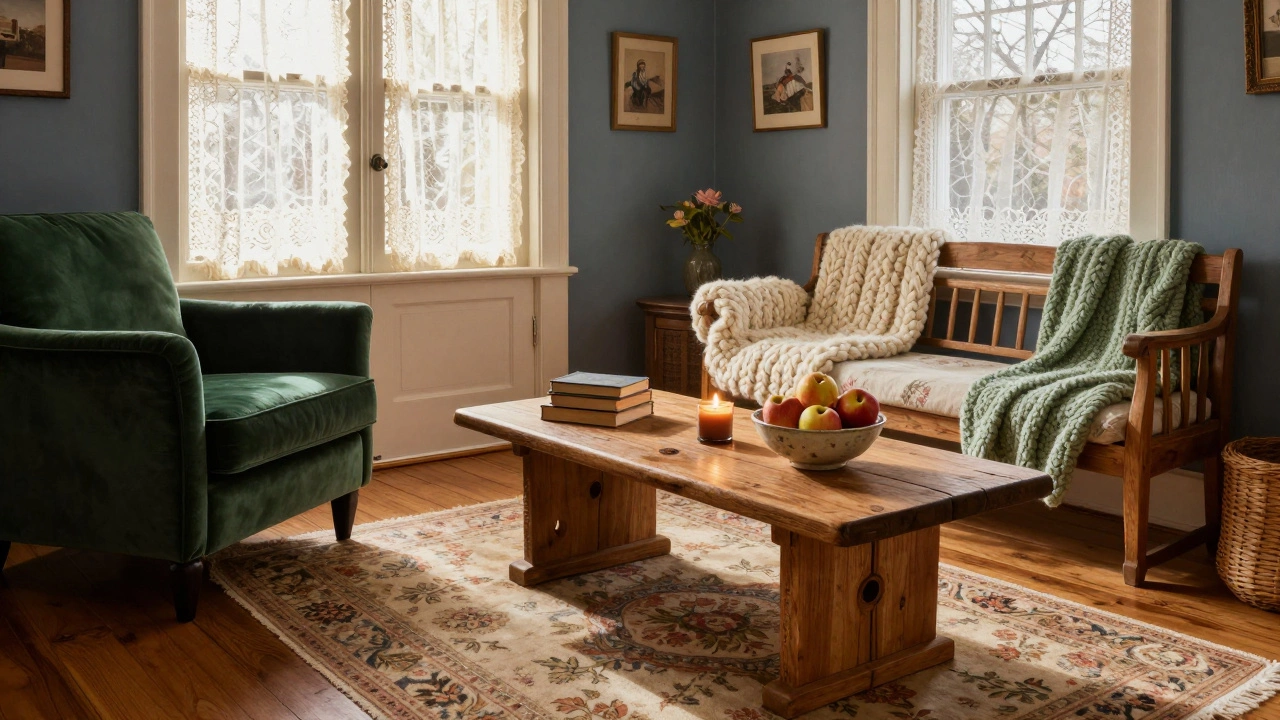
- Soft Textiles: Layering is crucial. Think chunky knit throws, floral cushions, lace doilies, and heavy curtains. The texture should invite touch. If you can’t imagine wrapping yourself in it, it probably doesn’t belong here.
- Earthy Color Palette: While bright florals are common, the base colors are usually muted. Think sage greens, creamy whites, terracotta oranges, and soft blues. These colors mimic nature and help ground the space.
- Clutter with Purpose: Unlike minimalism, cozy cottage style embraces objects. However, these aren’t random clutter. They are books stacked neatly, jars of dried herbs, framed botanical prints, and ceramic bowls filled with apples. Every object serves a function or brings joy.
Color Schemes and Patterns
When people think of cottages, they often picture bright reds and crisp whites. While that is a valid interpretation (often called English Cottage), the broader rustic decor trend leans towards more subdued, earthy tones. Why? Because these colors are easier on the eyes and promote relaxation.
Start with a neutral base. Off-whites, creams, and light grays work better than pure white, which can feel too clinical. Then, introduce color through accessories and textiles. A deep forest green armchair or a mustard yellow rug can anchor a room without overwhelming it. Patterns play a huge role here. Florals are the most obvious choice, but they shouldn’t be limited to tiny ditsy flowers. Large-scale botanical prints, gingham checks, and striped linens add visual interest. The key is mixing patterns. Don’t be afraid to put a floral cushion next to a striped pillow. As long as the colors coordinate, the mix creates a dynamic, eclectic feel that feels curated rather than chaotic.
Furniture Choices: Function Meets Form
In a cozy cottage, furniture is meant to be used, not admired from afar. You won’t find delicate glass tables or sharp-edged metal chairs. Instead, look for pieces with rounded edges, sturdy construction, and inviting seats.
Reclaimed wood is a popular material for tables and shelving. Its knots, cracks, and variations in tone tell a story of previous lives. Pair this with upholstered seating in durable fabrics like tweed, canvas, or velvet. Velvet, in particular, adds a touch of luxury and warmth, especially in cooler months.
Mismatched dining chairs are a hallmark of this style. Perhaps one chair is painted blue, another is natural wood, and a third has a cane back. This asymmetry feels human and approachable. It suggests that the family grows and changes, and the home adapts with them. Avoid matching sets unless they are genuinely antique and have developed a unique patina over decades.
Lighting: Creating Atmosphere
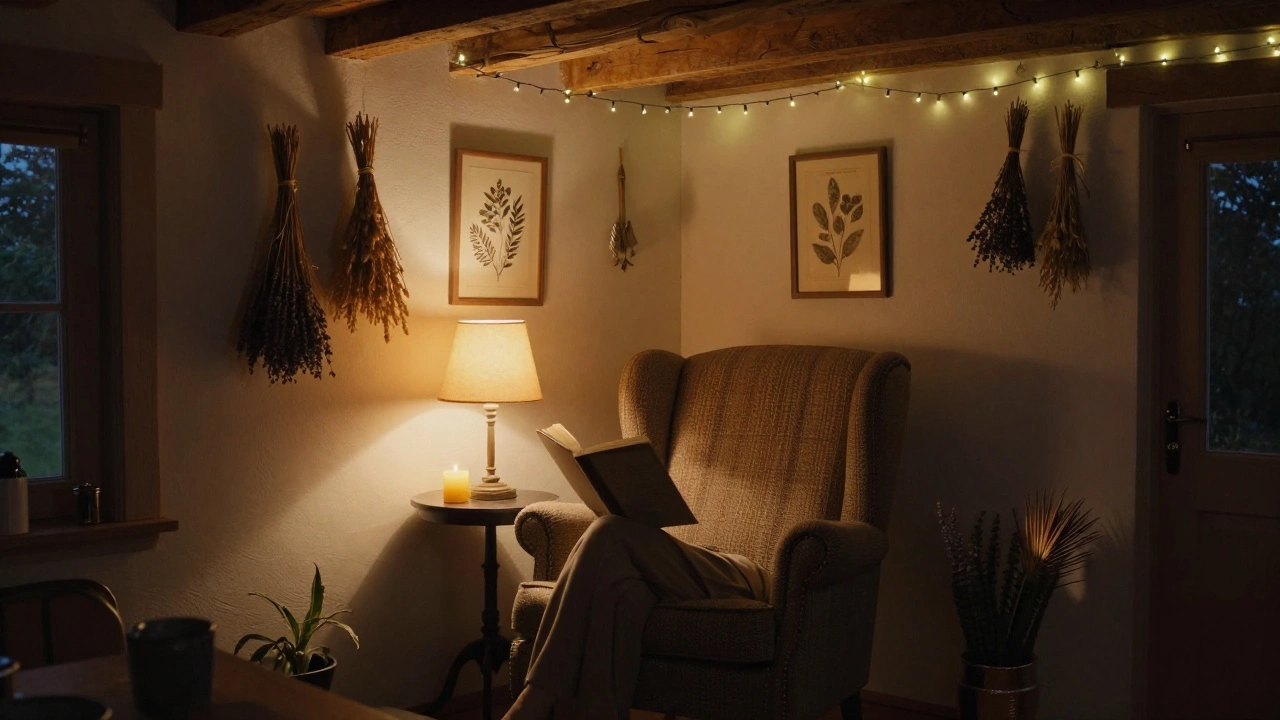
Lighting in a cozy cottage is never harsh or direct. You want to avoid overhead fluorescent lights at all costs. Instead, rely on multiple sources of warm, dimmable light. Table lamps with fabric shades, wall sconces with candle-style bulbs, and string lights draped across ceilings create a soft, ambient glow.
Candles are essential. Whether real beeswax candles or high-quality LED replicas, their flickering flame adds movement and warmth to a static room. Place them on mantels, windowsills, and dining tables. The scent of vanilla, cedar, or lavender enhances the sensory experience, making the space feel even more enveloping.
| Feature | Cozy Cottage Style | Minimalist Modern | Industrial Chic |
|---|---|---|---|
| Materials | Wood, linen, wool, ceramics | Glass, steel, concrete, leather | Exposed brick, metal, raw wood |
| Color Palette | Earthy, muted, floral accents | Monochromatic, black/white/gray | Neutral, metallic, dark tones |
| Furniture | Vintage, mismatched, comfortable | Sleek, functional, hidden storage | Repurposed, robust, exposed structure |
| Decor Approach | Layered, collected, personal | Sparse, intentional, empty space | Raw, utilitarian, artistic |
| Lighting | Warm, dim, multiple sources | Bright, clean, architectural | Edison bulbs, track lighting |
Bringing the Outdoors In
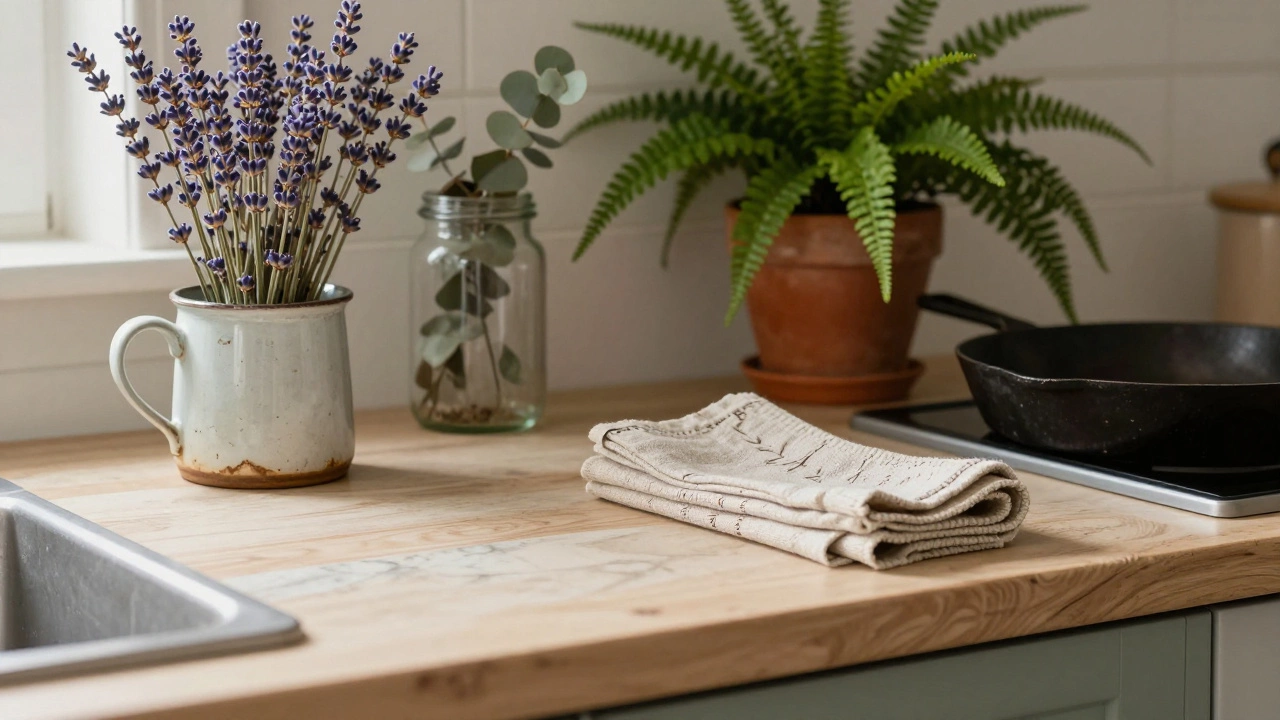
A true cottage feels connected to nature. Even if you live in an urban apartment, you can bring the outdoors in. Houseplants are vital. Ferns, ivy, and succulents thrive in this environment. Display them in terracotta pots or hanging macramé holders. Fresh flowers, even just a single stem in a mason jar, add life and color.
Dried botanicals are another great option. Bundles of lavender, eucalyptus, or wheat stalks tied with twine can hang in corners or fill large vases. They last longer than fresh flowers and add a textural element that feels organic and timeless. This connection to nature reinforces the calming effect of the space, reminding us of the cycles of growth and decay that define the natural world.
Common Mistakes to Avoid
It’s easy to tip the scale from "cozy" to "cluttered." The difference lies in intentionality. Just because you can display everything doesn’t mean you should. Edit your collections. Rotate seasonal items. Keep surfaces relatively clear so that the eye has a place to rest. Too many small knick-knacks can create visual noise that undermines the relaxing atmosphere.
Another mistake is forcing the theme. Don’t buy fake antiques or distressed paint jobs that look obviously artificial. Authenticity matters. If a piece is new, let it be new, but choose materials that will age well. Patina develops naturally over time; try to cultivate it rather than simulate it. Finally, don’t neglect functionality. A beautiful sofa is useless if it hurts your back. Comfort is king in this style.
Adapting the Style for Small Spaces
You don’t need a sprawling country estate to pull off this look. In fact, small spaces benefit greatly from the cozy cottage aesthetic because it makes tight quarters feel intimate and welcoming rather than cramped. Use vertical space for shelving to display books and plants. Choose multi-functional furniture, like a storage ottoman that doubles as a coffee table. Light colors on walls and ceilings help reflect light and make the room feel larger, while darker textiles add depth without shrinking the space.
Focus on creating "zones" within the room. A reading nook with a comfortable chair, a floor lamp, and a small side table can transform a corner into a retreat. Mirrors placed opposite windows can bounce natural light around, enhancing the airy feel while maintaining the rustic charm. Remember, the goal is to make every square foot feel intentional and comforting.
Is cozy cottage style only for rural homes?
No, absolutely not. While the inspiration comes from rural living, the principles of comfort, natural materials, and layered textures work in any setting. Urban apartments can embrace this style by focusing on soft textiles, warm lighting, and vintage finds. The key is creating a sense of sanctuary, regardless of your location.
How do I start decorating in this style on a budget?
Start by decluttering and assessing what you already own. Swap out synthetic throws for wool or cotton ones. Visit thrift stores, flea markets, and estate sales for vintage furniture and decor. Paint old pieces in muted colors instead of buying new. Focus on adding layers of textiles and plants, which are affordable ways to instantly warm up a space.
What is the difference between shabby chic and cozy cottage style?
Shabby chic tends to be lighter, airier, and more feminine, often featuring pastel colors and distressed white furniture. Cozy cottage style is warmer, earthier, and more rugged. It embraces darker woods, richer textures, and a more masculine balance. While both value vintage items, cottage style feels more grounded and less "pretty" than shabby chic.
Can I mix modern furniture with cottage decor?
Yes, but keep it subtle. A few modern pieces can provide contrast and prevent the space from feeling dated. Choose modern items with natural materials, like a solid wood shelf or a linen sofa. Avoid overly sleek, plastic, or high-tech looking furniture. The goal is harmony, so ensure the modern pieces share the same color palette and texture language as the vintage items.
What lighting fixtures work best in a cozy cottage?
Look for fixtures made from wrought iron, brass, or ceramic. Shades made from fabric or paper diffuse light softly, creating a warm glow. Avoid chrome or stainless steel finishes, which can feel too cold. Wall sconces, table lamps, and pendant lights with Edison bulbs are excellent choices. Dimmers are highly recommended to control the ambiance throughout the day.