Why Hotels Need Spas: The Business Case for Wellness Amenities

Hotel Spa Revenue Estimator
Property Details
Potential Revenue Impact
Daily Service Revenue
$0
Based on current inputs
Monthly (Est.)
$0
Annual (Est.)
$0
You walk into a high-end hotel lobby. It smells like eucalyptus and warm cedar. There’s soft music playing, not the usual clatter of luggage or ringing phones. You feel your shoulders drop an inch before you’ve even checked in. That feeling? That is exactly why hotels build spas. It isn’t just about giving guests a place to get a massage. It is about selling a state of mind.
In 2026, travelers are no longer just buying a bed for the night. They are buying recovery, relaxation, and status. A hotel without a wellness component is often seen as incomplete by the modern luxury traveler. But beyond the vibe, there is hard math behind every steam room and treatment room. Let’s look at why having a spa in a hotel is one of the smartest moves a property can make.
Quick Takeaways
- Spas increase average daily rate (ADR) by allowing hotels to charge premium prices for rooms bundled with wellness perks.
- They extend the length of stay, as guests book multi-day packages rather than single-night stops.
- Spas create a direct revenue stream that operates independently of room occupancy.
- They serve as a critical differentiator in crowded luxury markets, boosting online visibility and brand loyalty.
The Shift from Luxury to Necessity
Twenty years ago, a spa was a nice-to-have. Today, it is a baseline expectation for any property positioning itself above the mid-tier market. The definition of "luxury" has shifted dramatically. It used to mean gold fixtures and marble floors. Now, it means time, health, and personal attention.
Wellness tourism is a travel sector focused on maintaining or enhancing personal well-being through activities like spa treatments, fitness programs, and healthy dining. This sector has grown faster than traditional leisure travel. According to data from the Global Wellness Institute, the global wellness tourism market is valued at over $700 billion. When a hotel lacks a spa, it misses out on this massive demographic.
Guests today are stressed. Between work burnout, digital fatigue, and the general pace of modern life, people travel to disconnect. A hotel room alone doesn’t guarantee disconnection. A spa provides a structured environment for it. It signals to the guest that the hotel understands their need to slow down. Without it, the hotel is just a place to sleep. With it, the hotel becomes a destination for restoration.
Direct Revenue Streams Beyond Room Rates
Let’s talk money. Rooms are great, but they have limits. You can only charge so much for a square meter of space. Services, however, have higher margins. A spa is essentially a retail store and a service business rolled into one.
First, there are the treatments themselves. Massages, facials, and body wraps have high profit margins because the cost of goods (lotions, oils) is low compared to the labor and expertise charged. If a hotel has 100 rooms and 50% occupancy, that’s 50 guests. If even 10% of those guests book a $150 treatment, that’s $7,500 in pure service revenue that wouldn’t exist otherwise.
Second, there is the retail angle. Guests who try a facial often want to take the products home. Hotel spas typically stock premium skincare brands. These products carry significant markups. A bottle of serum that costs $40 wholesale might sell for $80 in the spa boutique. Since these transactions happen on-site, the hotel captures value that would otherwise go to a department store or online retailer.
Third, consider the F&B (Food and Beverage) synergy. Spa guests are hungry. After a detox treatment or a long sauna session, they crave specific foods. Hotels can push healthy menu options-smoothie bowls, organic juices, light salads-to spa visitors. This drives traffic to the restaurant during off-peak hours, increasing overall food sales.
Boosting Average Daily Rate (ADR) and Length of Stay
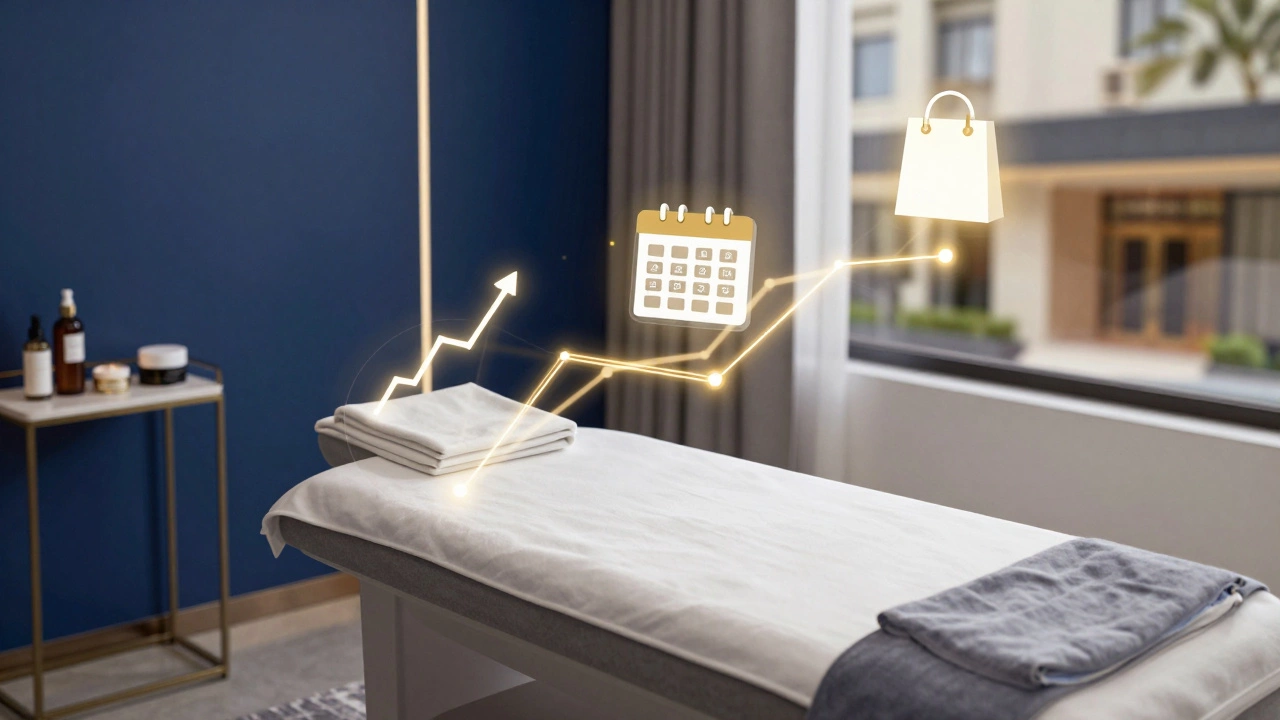
A spa allows a hotel to bundle services into room rates, effectively raising the Average Daily Rate (ADR). Imagine two identical rooms in the same city. One includes access to the gym and pool. The other includes a welcome drink, a 30-minute shoulder massage upon arrival, and late checkout. Which one commands a higher price? The second one, easily.
This bundling strategy works because it adds perceived value without significantly increasing operational costs for the hotel. The massage therapist is already scheduled; the lotions are already bought. By attaching these services to the room key, the hotel creates a "premium" tier that appeals to business travelers seeking efficiency and leisure travelers seeking indulgence.
Furthermore, spas encourage longer stays. A weekend getaway might turn into a four-day retreat if the hotel offers a three-day wellness package. Guests are less likely to leave early if they have pre-booked treatments. This reduces vacancy rates and stabilizes cash flow, especially during slower seasons when room bookings might dip.
Differentiation in a Crowded Market
If you search for "hotels in Paris" or "resorts in Bali," you will see hundreds of options. Many have similar architecture, similar bedding, and similar views. How does a guest choose? Often, the decision comes down to unique amenities. A spa is a powerful differentiator.
Consider the competition. Budget chains offer clean beds. Mid-scale hotels offer breakfast and Wi-Fi. Luxury competitors offer concierge service. But a world-class spa sets a property apart. It becomes a talking point. Guests share their experiences on social media. A photo of a serene infinity-edge plunge pool overlooking a jungle is worth more marketing dollars than any ad campaign.
For business hotels, the spa serves a different purpose. It attracts corporate clients who need to unwind after intense conferences. Companies are increasingly willing to pay for employee well-being. A hotel with a reputable spa can win corporate contracts because it offers a holistic solution for tired executives. It’s not just about where they sleep; it’s about how they recharge.
Enhancing Guest Loyalty and Brand Perception
People remember how you made them feel. A bad night’s sleep is forgotten. A transformative spa experience is remembered for years. When a guest leaves a hotel feeling genuinely rested and rejuvenated, they associate that positive feeling with the brand. This builds emotional loyalty.
Loyal customers return. They also refer friends. Word-of-mouth marketing is incredibly powerful in the hospitality industry. A guest who had a wonderful couples’ massage is likely to recommend that specific hotel to their partner for an anniversary trip. This reduces the hotel’s customer acquisition costs because they don’t have to spend as much on ads to attract new business.
Additionally, a spa elevates the entire brand perception. Even guests who never step foot in the treatment rooms perceive the hotel as higher quality simply because a spa exists. It suggests attention to detail, investment in facilities, and a commitment to guest comfort. It raises the ceiling for what the hotel represents.
Operational Synergies and Staff Retention
Building a spa isn’t just about guest benefits; it helps the hotel internally too. It creates jobs for skilled therapists, estheticians, and managers. In many regions, there is a shortage of hospitality workers. Offering diverse career paths within a hotel can help attract and retain talent.
Moreover, spa staff often cross-train with other departments. They understand the guest journey better. They can provide feedback to housekeeping about room cleanliness or to F&B about dietary trends. This internal communication loop improves overall service quality.
There is also the matter of employee wellness. Many hotels allow staff to use the spa facilities during breaks or at discounted rates. Happy, relaxed employees provide better service. It’s a simple cycle: invest in well-being, get better performance.
| Feature | Hotel Without Spa | Hotel With Spa |
|---|---|---|
| Revenue Sources | Rooms, basic F&B | Rooms, F&B, Treatments, Retail |
| Average Daily Rate (ADR) | Standard market rate | Premium potential via bundling |
| Length of Stay | Typically shorter (1-2 nights) | Longer (multi-day packages) |
| Guest Demographics | Budget-conscious, transit | Luxury seekers, wellness-focused |
| Brand Differentiation | Low (relies on location/price) | High (unique experience) |
Addressing Common Concerns
Some hotel owners worry about the cost. Building a spa requires significant capital expenditure. You need plumbing, ventilation, soundproofing, and specialized furniture. Then there are ongoing costs: staff salaries, product inventory, and maintenance.
However, the return on investment (ROI) usually justifies the expense. Studies show that properties with spas command higher resale values. Investors recognize the asset value of a fully integrated wellness center. It’s not an expense; it’s an infrastructure investment that pays dividends for decades.
Another concern is space. In urban hotels, square footage is expensive. Can you fit a spa in a small footprint? Yes. Modern spa design focuses on efficiency. You don’t need ten treatment rooms. You need three versatile ones, a compact hydrotherapy area, and a strong retail presence. The key is maximizing the utility of every square foot.
The Future of Hotel Spas
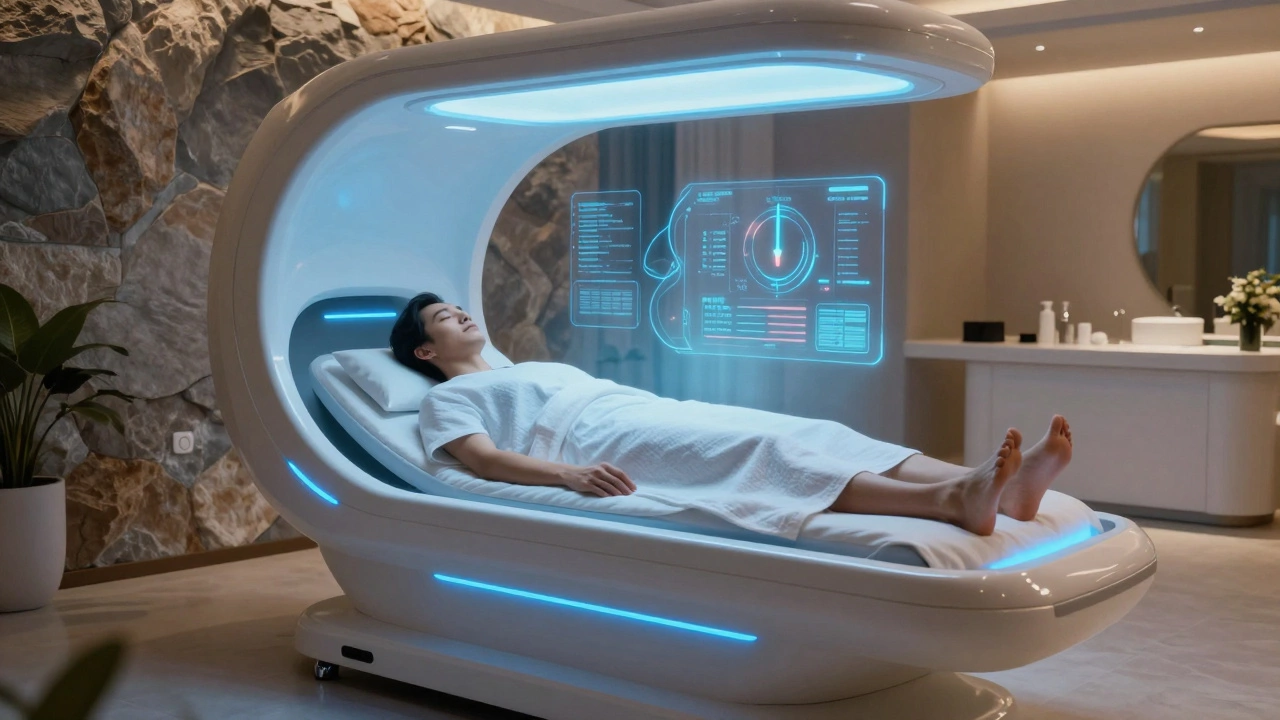
As we move further into 2026, the trend is moving toward "sleep science" and "bio-hacking." Hotels are integrating wearables, sleep tracking, and personalized nutrition into their spa offerings. It’s no longer just about relaxation; it’s about optimization. Guests want data-driven wellness. They want to know how their sleep improved or how their stress levels dropped.
Hotels that adapt their spas to include these tech-forward elements will stay ahead of the curve. Those that stick to traditional massages only will find themselves lagging behind. The future belongs to properties that blend ancient healing traditions with modern scientific insights.
Final Thoughts
Having a spa in a hotel is no longer a frivolous add-on. It is a strategic imperative. It drives revenue, boosts brand value, extends guest stays, and differentiates the property in a competitive market. For travelers, it transforms a trip into a transformation. For hoteliers, it turns a building into a business powerhouse. If you are investing in hospitality real estate or planning a renovation, the question isn’t whether you can afford a spa. It’s whether you can afford not to have one.
What is the typical ROI timeline for a hotel spa?
Most hotel spas break even within 18 to 24 months of operation, assuming proper marketing and integration with room sales. The initial investment is high, but the recurring revenue from treatments and retail accelerates the payback period.
Do all hotels need a full-service spa?
No. Smaller or boutique hotels can opt for a "wellness corner" with a few treatment rooms and a sauna. The key is offering curated experiences rather than trying to compete with large resort spas on scale.
How do spas affect online booking conversions?
Properties with spas often see higher conversion rates on OTAs (Online Travel Agencies) because they appear in filtered searches for "luxury" or "romantic" stays. High-quality images of spa facilities significantly reduce bounce rates on booking pages.
Can a spa help attract corporate events?
Yes. Corporate planners look for venues that offer team-building activities and relaxation options for attendees. A spa can host private workshops, yoga sessions, and group treatments, making the hotel a more attractive venue for conferences.
What are the biggest operational challenges of running a hotel spa?
Staffing is the primary challenge. Finding skilled, reliable therapists is difficult. Additionally, managing inventory turnover for skincare products and maintaining strict hygiene standards require dedicated management oversight.