Does All-Inclusive Mean All Drinks Are Free? The Truth About Bar Tabs
All-Inclusive Drink Upgrade Calculator
Trip Details
Drinking Habits
How it works
This tool helps you decide if purchasing an all-inclusive premium drink upgrade is worth the money. It compares the cost of paying individually for premium drinks versus a flat daily fee.
- Base Package: Includes house brands, local beer/wine.
- Premium Charge: Extra cost for top-shelf liquor, champagne, craft cocktails.
- Upgrade Package: Flat daily fee for unlimited premium access.
Your Analysis
Pay per drink
$0
- Total Premium Drinks: 0
- Avg Cost/Drink: $0
Flat daily fee
$0
- Daily Fee: $0
- Guests: 0
- Days: 0
You book the trip. You see the words all-inclusive. You picture yourself lounging by the pool with a tropical cocktail that costs nothing extra. But then you sit down at the bar, order your favorite aged rum or imported champagne, and the bartender gives you a look. Or worse, the bill arrives at checkout, and there’s a surprise charge for "premium beverages." It happens more often than you’d think.
The short answer is: no, all-inclusive does not always mean *all* drinks are free. While basic beer, wine, and house spirits are usually covered, the definition of "included" varies wildly between resorts. Some places include everything under the sun; others treat anything better than tap water as an upsell opportunity.
What Is Actually Included in the Base Price?
When a hotel markets itself as all-inclusive, it is promising a package deal where food, drinks, and sometimes activities are bundled into one upfront price. For most mid-range and standard luxury resorts, this bundle covers:
- House Liquor: Standard brands of vodka, rum, gin, tequila, and whiskey. Think brands like Smirnoff, Bacardi, or Seagram’s rather than Macallan or Grey Goose.
- Local Beer and Wine: Domestic beers and wines from the region where the resort is located. If you’re in Mexico, expect Mexican lagers and local table wines.
- Non-Alcoholic Beverages: Soft drinks, juices, coffee, tea, and bottled water (though some resorts now require you to buy premium branded water).
- Mixed Cocktails: Drinks made with the included house liquors.
This is the baseline. If you stick to these options, you will likely pay zero extra for drinks during your stay. The problem arises when you want something specific, premium, or served in a special location.
The "Premium" Drink Trap
Here is where the fine print bites. Many resorts operate on a tiered system. They include basic drinks but charge extra for "premium" or "top-shelf" brands. This isn’t just about expensive whiskey; it can include:
- Imported spirits (e.g., Hendrick’s Gin, Johnnie Walker Blue Label)
- Champagne and sparkling wines (often only Prosecco is included)
- Craft beers or imported lagers
- Cocktails made with fresh-squeezed juice or artisanal syrups (some resorts charge for "fresh" ingredients)
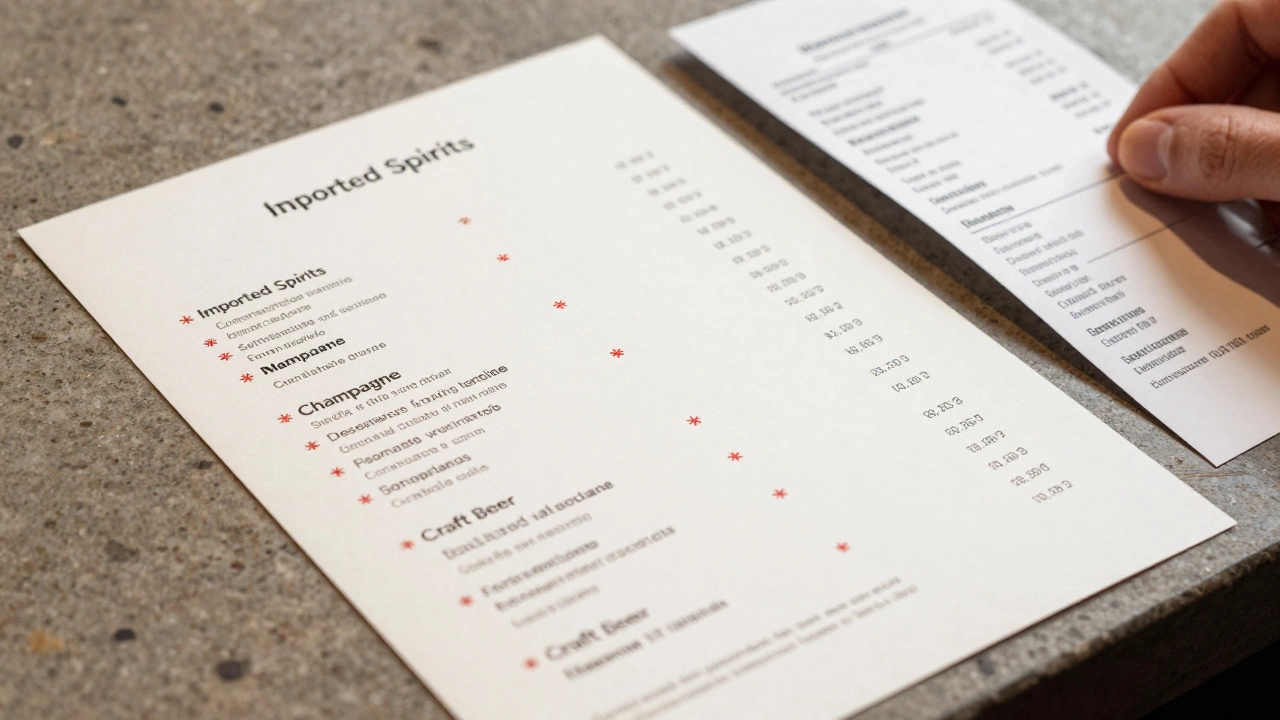
How do you know if a drink is premium? Usually, the menu will have asterisks (*). An asterisk means "extra charge applies." Sometimes the charge is per drink; other times, you pay a flat daily fee to access the premium bar. Always check the menu before ordering. If you’re unsure, ask: "Is this brand included in my rate?" Bartenders are used to this question and will tell you straight away.
Location Matters: Pool Bar vs. Specialty Restaurant
Another hidden cost isn’t the drink itself, but *where* you drink it. Most all-inclusive resorts have multiple bars and restaurants. Your standard inclusion might cover drinks at the main pool bar and the lobby lounge. However, if you head to the beach bar, the sports bar, or especially a specialty à la carte restaurant, the rules may change.
For example, some resorts allow free drinks at the pool but charge for alcohol in their fine-dining restaurants unless you’ve made a reservation through a concierge service. Others restrict certain high-end cocktails to adults-only areas or VIP suites. If you’re staying in a family-friendly zone, you might find that the "premium" section of the bar is physically separated or requires a wristband upgrade.
Wristbands, Upgrades, and Packages
To manage these tiers, many modern resorts use color-coded wristbands. A blue wristband might get you house liquor; a gold wristband unlocks premium brands. You can often buy an upgrade at check-in. These packages typically cost between $50 and $150 per person, per day, depending on the resort’s luxury level.
Before you buy an upgrade, calculate your consumption. If you plan to have two premium cocktails a day, the math might work out. But if you’re a light drinker who prefers wine or beer, the base inclusion is probably enough. Don’t fall for the sales pitch at the front desk unless you’ve already checked which brands are excluded.
Regional Differences: Caribbean vs. Europe vs. Asia
Where you travel changes what "all-inclusive" means. In the Caribbean, particularly in destinations like Jamaica, the Dominican Republic, and Mexico, the model is well-established. Resorts here are transparent about inclusions because competition is fierce. You’ll rarely be surprised by a bill, but you will need to watch for premium brands.
In Europe, especially in Turkey, Greece, and Spain, all-inclusive resorts often include higher-quality local wines and spirits as part of the base package. Turkish resorts, for instance, are known for including a wide range of alcoholic beverages without extra fees, though late-night snacks might still cost extra.
In Asia, the concept is less standardized. In Thailand or Bali, "all-inclusive" might only cover breakfast and one dinner, with drinks charged separately. Always verify the exact terms for Asian resorts, as the Western expectation of unlimited drinks doesn’t always apply.
| Region | Base Inclusion Quality | Premium Charges Common? | Typical Upgrade Cost |
|---|---|---|---|
| Caribbean (Mexico/Jamaica) | Standard house brands | Yes, very common | $50-$100/day |
| Turkey/Mediterranean | Good local wines/spirits | Rarely | $0-$30/day |
| Asia (Thailand/Bali) | Limited or none | Often not all-inclusive at all | N/A |
| USA (Florida/California) | Varies widely | Yes, frequent upcharges | $75-$200/day |
How to Avoid Surprise Bills
You don’t have to guess. Here is a simple checklist to ensure you know exactly what you’re paying for before you leave home:
- Read the Fine Print: Look for phrases like "selected beverages," "local brands only," or "premium charges apply." If it says "unlimited premium drinks," you’re in luck. If it says "complementary beverages," dig deeper.
- Check the Resort’s Website: Most reputable resorts list their included brands online. Look for a PDF menu or a FAQ section titled "What’s Included?"
- Contact the Hotel Directly: Email the guest services team. Ask: "Which specific brands of whiskey, vodka, and champagne are included?" Keep this email for reference.
- Review Recent Guest Photos: On platforms like TripAdvisor or Instagram, search for photos of the bar menus. Guests often post pictures of the drink lists, showing which items have asterisks.
- Ask at Check-In: When you arrive, confirm your wristband status. If you’re staying in a suite, ask if your room category includes premium drinks automatically.

Is It Worth Paying Extra for Premium Drinks?
It depends on your habits. If you’re a casual sipper who enjoys a beer with dinner and a simple rum punch by the pool, the base package is sufficient. You won’t miss out on much.
However, if you’re planning a celebration, a honeymoon, or a trip with friends who enjoy craft cocktails, the upgrade might save money in the long run. Buying individual premium drinks at the resort can easily cost $15-$25 each. Over a week, that adds up to hundreds of dollars. A daily upgrade fee might cap your spending and give you peace of mind.
Also consider the experience. Some resorts offer exclusive tasting events, mixology classes, or private cabanas that are only accessible to guests with premium packages. These perks can enhance your stay beyond just the liquid in your glass.
What About Non-Alcoholic Options?
If you don’t drink alcohol, all-inclusive resorts can still be great value. Most include a wide variety of soft drinks, fresh juices, smoothies, and coffee. However, some high-end resorts have started charging for premium non-alcoholic items like artisanal sodas, cold-pressed juices, or specialty coffees from local roasters. Again, check the menu. If you’re a coffee enthusiast, ask if espresso machines are available in-room or if the café charges extra for cappuccinos.
Water is another consideration. In many Caribbean resorts, tap water is not safe to drink. Bottled water is usually included, but some resorts only provide it in rooms upon request. If you want bottled water at the pool, bring a reusable bottle and fill it at the mini-fridge or ask the staff for a refillable dispenser.
Final Thoughts on All-Inclusive Drinks
All-inclusive doesn’t mean infinite freedom. It means a defined set of inclusions designed to keep operational costs manageable while offering guests a stress-free experience. By understanding the tiers, checking the brands, and knowing where to drink, you can avoid unpleasant surprises and enjoy your vacation fully.
The key is preparation. Do a little research before you go, ask questions when you arrive, and don’t hesitate to clarify costs before ordering. That way, your only worry will be choosing between the beach and the pool-not deciphering your final bill.
Do all-inclusive resorts charge for water?
Most all-inclusive resorts include bottled water in your room and at dining areas. However, some high-end properties may charge for premium branded water or water served in specialty restaurants. Tap water is generally not safe to drink in many all-inclusive destinations, so rely on the provided bottled water or ask for filtered refills.
Are premium drinks worth the upgrade?
If you plan to drink more than two premium cocktails per day, the upgrade is usually cost-effective. Individual premium drinks can cost $15-$25 each, so a daily fee of $50-$100 can save you money over a week-long stay. Additionally, upgrades often include access to exclusive bars or events.
Can I bring my own alcohol to an all-inclusive resort?
Generally, no. Most all-inclusive resorts prohibit outside alcohol due to licensing agreements and revenue models. If you try to bring your own, it may be confiscated at check-in. However, some resorts allow a limited amount of wine or champagne for special occasions like weddings or anniversaries-check with the hotel beforehand.
Why do some resorts use color-coded wristbands?
Color-coded wristbands help staff quickly identify which level of service a guest has purchased. For example, a blue band might indicate standard inclusions, while a gold band signals access to premium drinks and VIP areas. This system streamlines service and prevents disputes over charges at the bar.
Are tips included in all-inclusive drink prices?
In most true all-inclusive resorts, gratuities are included in the upfront price, so tipping bartenders is not expected. However, if you receive exceptional service or purchase premium items outside your package, a small tip is appreciated but optional. Always check the resort’s policy, as some luxury properties encourage tipping despite the "all-inclusive" label.