Glamping Costs 2026: How Much Does a Luxury Camping Trip Actually Cost?
Glamping Trip Budget Estimator
Estimated Total Cost:
Calculated based on selected tier and options
Ever looked at a picture of a mirrored cabin in the woods or a safari tent with a clawfoot tub and wondered why it costs as much as a four-star hotel? You aren't alone. The biggest shock for people moving from traditional camping to glamping is the price tag. We're talking about a shift from a $30 campsite fee to a $400-a-night retreat. But why the massive gap, and what are you actually paying for?
Key Takeaways on Glamping Pricing
- Average nightly rates typically range from $150 to $600, depending on the luxury level.
- Location and "Instagrammability" are the biggest drivers of price spikes.
- Seasonal demand causes prices to swing wildly, especially during summer peaks.
- Hidden costs like cleaning fees and activity packages can add 20% to your total bill.
Breaking Down the Price Tiers
Not all glamping is created equal. If you're budgeting for a trip, it helps to think of it in three distinct levels. On the low end, you have "enhanced camping." These are often glamping cottages is pre-pitched tents or basic cabins that provide a bed and electricity but few other luxuries. You'll typically find these for $100 to $200 per night. You're paying for the convenience of not hauling a tent and the comfort of a real mattress.
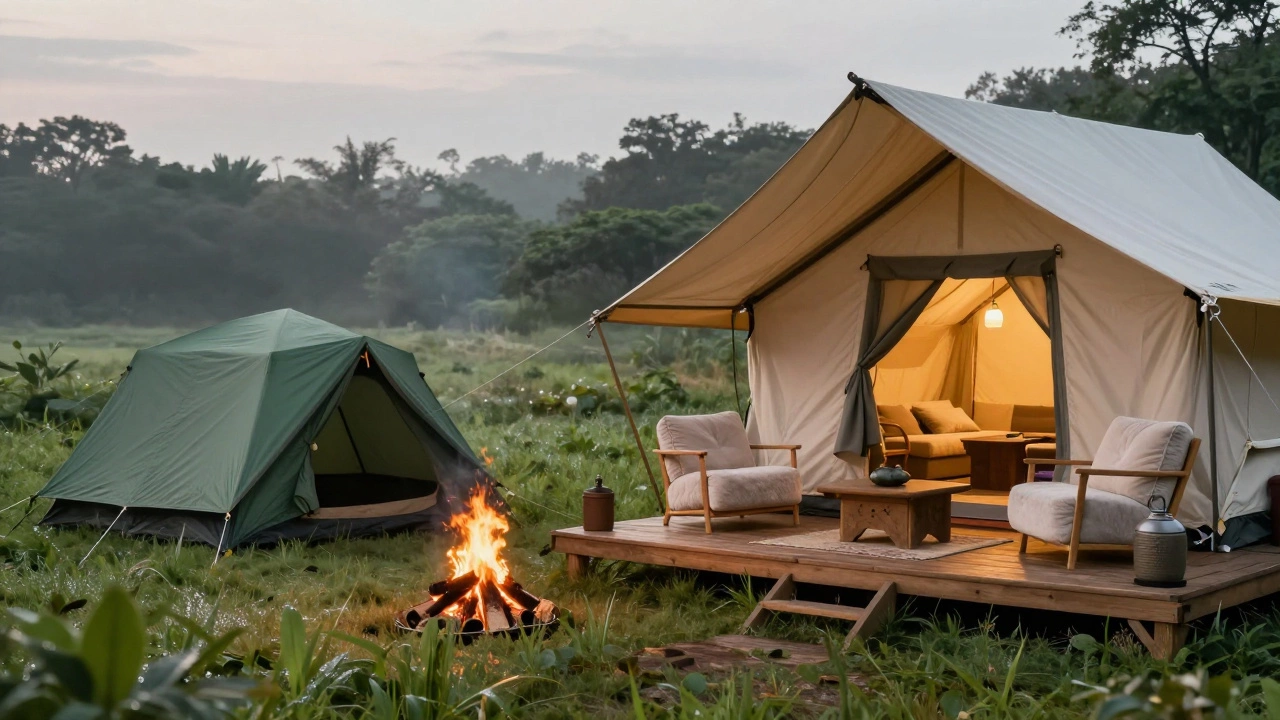
Moving up, the mid-range tier is where most people land. Here, you'll find Safari Tents or yurt stays. These usually cost between $200 and $400 per night. At this price, you expect more than just a bed; you're looking for a private bathroom, a cozy seating area, and perhaps a small kitchenette. It's the sweet spot for couples who want nature without the dirt under their fingernails.
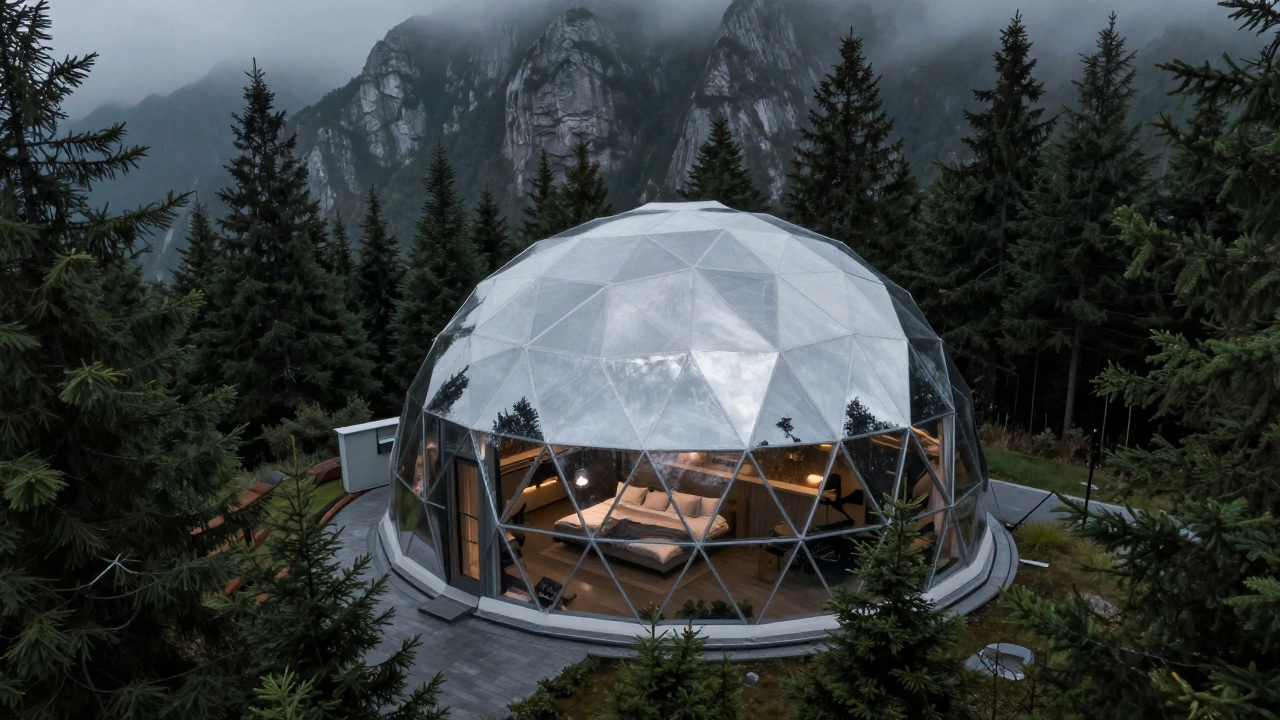
Then there's the high-end, ultra-luxury tier. We're talking about Treehouses with hot tubs, mirrored domes, or geodesic pods. These can easily soar from $500 to over $1,000 per night. In these spots, the accommodation itself is the destination. You aren't just paying for a place to sleep; you're paying for a piece of architectural art and a highly curated experience.
| Accommodation Type | Average Price (Nightly) | Key Amenities | Best For |
|---|---|---|---|
| Basic Bell Tent | $120 - $220 | Bed, Basic Lighting | Budget-conscious nature lovers |
| Luxury Yurt | $200 - $350 | Heating, Private Bath | Mid-range couples/families |
| Design Treehouse | $400 - $800 | Hot Tub, High-end Decor | Honeymoons, Special Events |
| Mirror/Glass Dome | $500 - $1,200 | Stargazing Roof, AC/Heat | Luxury seekers, Photographers |
The Factors That Push Prices Up
Why does one dome in the mountains cost $200 while another costs $800? A huge part of it is the Location. Sites located in "bucket list" areas-like the edge of a National Park or a remote cliffside in Bali-charge a premium for the view. If you can see the Northern Lights from your bed, expect to pay a massive premium.
Then there's the "Instagram Effect." In 2026, visual appeal is a currency. Owners of unique structures, like A-frame cabins or floating cottages, know that people will pay more for a stay that looks stunning in photos. This demand allows operators to hike prices regardless of the actual utility of the room.
Off-grid luxury also costs more. Providing Sustainable Energy in a remote forest requires expensive infrastructure. Solar arrays, composting toilets that actually smell clean, and rainwater filtration systems are costly to install and maintain. When you pay for an eco-friendly luxury stay, you're essentially subsidizing the green technology that keeps the site from destroying the environment it's trying to showcase.
Hidden Costs and Package Deals
The nightly rate is rarely the final number you'll see on your credit card statement. Many glamping sites now operate like boutique hotels, adding service fees. Cleaning fees can range from $50 to $150 per stay, which can be a punch in the gut if you're only staying for two nights.
You should also look out for "Add-on Experiences." Many hosts bundle their stays with activities to increase the average order value. Common examples include:
- Champagne on arrival: $50 - $100
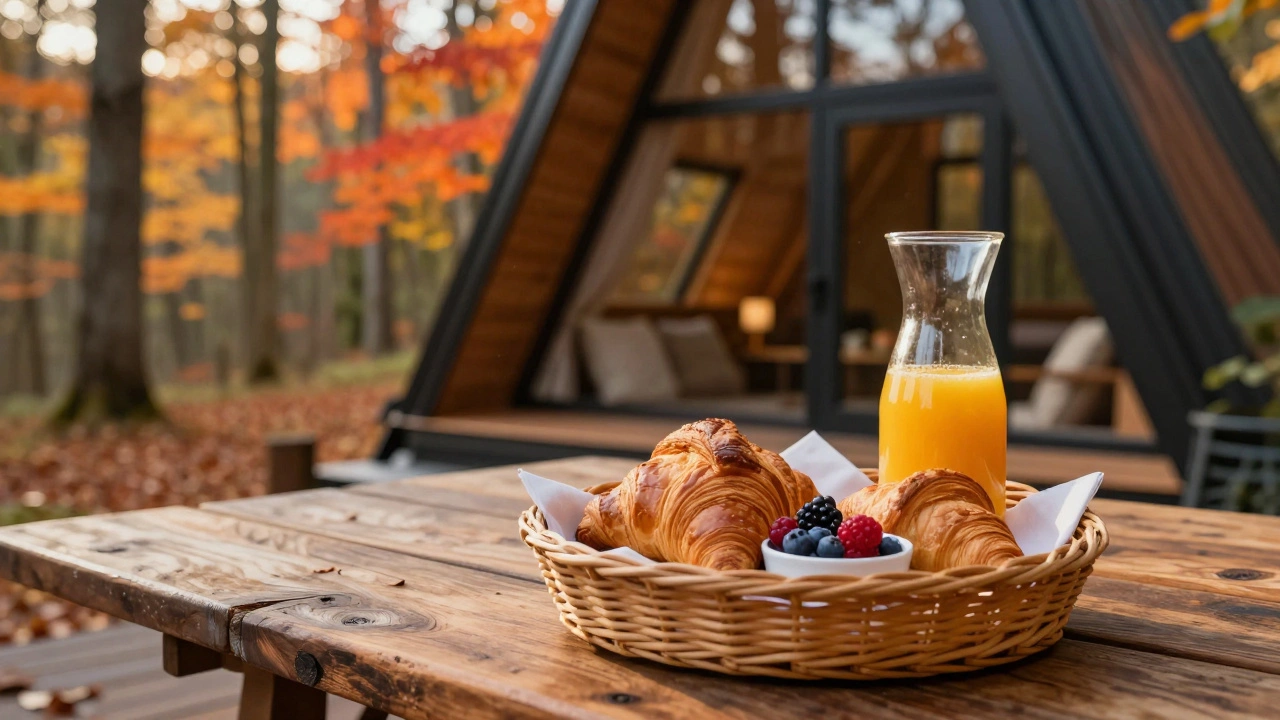
- Curated gourmet breakfast baskets: $30 - $60 per person
- Guided nature walks or foraging tours: $80 - $200
- In-room massage treatments: $120 - $250
If you're booking through platforms like Airbnb or Glamping Hub, remember that the service fees can add another 10-15% to the total. If you want to save, try contacting the host directly or booking through their official site once you've found them.
How to Find Better Value
If you love the idea of luxury camping but hate the luxury prices, timing is your best friend. The "shoulder season"-typically late spring and early autumn-is the secret weapon of savvy glampers. You can often find the same high-end treehouse for 40% less than the July rate, and the crowds are thinner.
Another trick is looking for "hybrid sites." These are larger campgrounds that offer both traditional tent sites and a few luxury glamping pods. Because they have a higher volume of guests, their glamping options are often priced more competitively than standalone luxury retreats.
Consider the trade-offs. Do you really need a private hot tub, or is a shared sauna in the main lodge enough? Choosing a yurt with a shared bathhouse instead of a private ensuite can often drop your nightly rate by $100 or more without sacrificing the overall vibe of the trip.
Is It Actually Worth It?
Whether glamping is "worth it" depends on what you're comparing it to. If you compare it to a $20 campsite, it's an extravagance. But if you compare it to a high-end hotel in a city, it's often comparable in price but far superior in experience. You're paying for the silence, the air quality, and the novelty of the architecture.
For many, the value lies in the lack of friction. Traditional camping requires hours of packing, pitching, and cleaning. Glamping removes the labor and keeps the reward. You get the psychological benefit of being in nature without the physical stress of survival gear. That convenience is exactly what people are paying for.
Is glamping more expensive than a hotel?
In many cases, yes. While basic glamping can be cheaper than a mid-range hotel, luxury glamping (like treehouses or domes) often costs more than a standard hotel room because of the unique construction and remote locations. However, the experience is fundamentally different, focusing on nature rather than urban amenities.
What is the cheapest time of year to go glamping?
The cheapest times are typically during the "shoulder seasons" (May-June and September-October) and the dead of winter for sites that offer heated accommodations. Mid-summer is always the most expensive period due to high demand for outdoor vacations.
Do glamping sites have hidden fees?
Yes, common hidden fees include cleaning charges, resort fees, and taxes. Additionally, many sites charge extra for "luxury add-ons" like firewood, breakfast baskets, or guided tours. Always check the final checkout screen before confirming your booking.
What amenities should I expect for $300 a night?
At this price point, you should expect a comfortable bed with high-quality linens, a private or semi-private bathroom, heating/cooling options, and a well-designed interior space. You should not be "roughing it" at this price; the experience should be closer to a hotel room that happens to be in a tent or cabin.
Are there group discounts for glamping?
Some sites offer discounts if you book multiple units (e.g., three yurts for a family reunion). It is always worth emailing the owner directly to ask for a group rate, especially for mid-week stays, as hosts prefer full occupancy over empty units.