How to Build an Eco-Friendly Cottage: Practical Steps for Sustainable Living
Eco-Cottage Energy Savings Calculator
How This Calculator Works
Enter your cottage details and eco-friendly features to calculate potential energy savings, solar power production, and payback period. Based on data from the article "How to Build an Eco-Friendly Cottage: Practical Steps for Sustainable Living".
Building an eco-friendly cottage isn’t just about using recycled wood or planting a garden. It’s about creating a home that works with the land, not against it. Too many people think sustainability means expensive tech or perfect efficiency. The truth? It’s simpler than that. Start with location, think long-term, and let nature guide your choices. A true eco-friendly cottage doesn’t just reduce its footprint-it gives back.
Start with the Right Location
Where you build matters more than any material you choose. Don’t clear-cut a forest to make room for your dream cottage. Look for already disturbed land: old farmland, abandoned lots, or areas with minimal native vegetation. This avoids disrupting ecosystems and saves you the cost and hassle of removing trees or relocating wildlife. Check local zoning rules too. Some areas offer tax breaks or grants if you build on brownfield sites or near public transit. A cottage that’s 10 minutes from a bus stop uses less energy over time than one buried deep in the woods with no access.
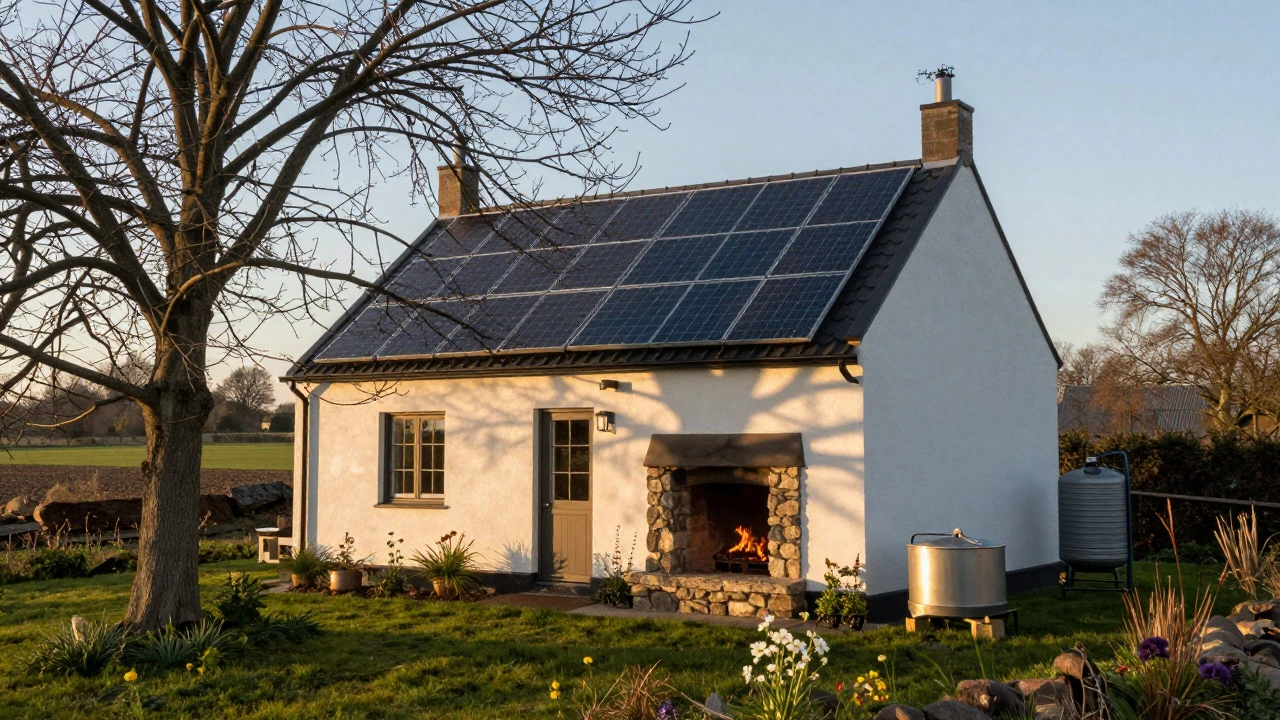
Orientation is just as important. In the Northern Hemisphere, position your cottage so the longest wall faces south. This lets winter sun warm the interior naturally. Add overhangs or deciduous trees above south-facing windows. They block harsh summer heat but let light in during colder months. This simple trick can cut heating costs by up to 40%.
Choose Natural, Local Materials
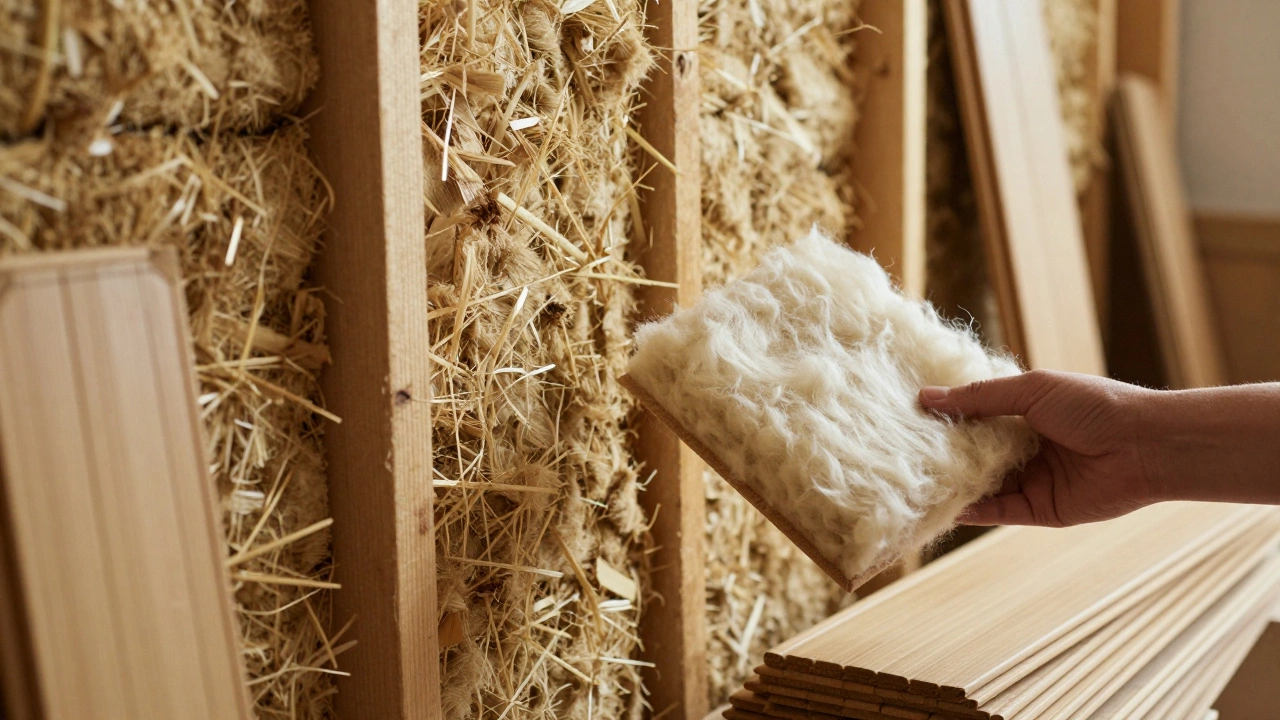
Concrete and steel have high carbon footprints. Skip them unless absolutely necessary. Instead, use materials that come from nearby and require little processing. Straw bale walls, for example, are incredibly insulating and often cost less than fiberglass. They’re made from leftover grain stalks-waste that would otherwise be burned. Bamboo is another winner. It grows three times faster than oak and can be used for flooring, cabinetry, or even structural beams.
Reclaimed wood is a no-brainer. Salvage beams from old barns, warehouses, or demolished homes. Each piece tells a story and saves trees. Look for suppliers who track the origin of their wood. Some even offer certificates showing the wood was legally harvested and transported with low-emission vehicles.
For insulation, skip synthetic foams. Cellulose insulation, made from recycled newspaper treated with borax, performs just as well. It’s non-toxic, fire-resistant, and blocks sound better than fiberglass. If you’re building in a cold climate, consider sheep’s wool insulation. It naturally regulates moisture and has a lower embodied energy than synthetic options.
Design for Passive Efficiency
You don’t need solar panels to save energy-just smart design. Keep the cottage small. A 600-square-foot home uses less than half the energy of a 1,500-square-foot one. Open floor plans help heat circulate naturally. High ceilings trap warmth near the top, so use ceiling fans to push it back down in winter.
Windows are your best friends-if placed right. Triple-glazed windows with low-emissivity coatings reduce heat loss by 70% compared to standard double-pane glass. Install them on the south side for passive solar gain. On the north side, keep windows small to minimize heat escape. Use thermal curtains or insulated shutters at night. They’re cheap, effective, and add charm.
Thermal mass is another quiet hero. Use stone, tile, or rammed earth floors in rooms that get direct sun. These materials absorb heat during the day and release it slowly at night. A well-placed stone hearth can keep a room warm for hours after the sun sets.
Go Off-Grid with Solar and Storage
Most eco-cottages still rely on the grid. But going off-grid is more doable than ever. A single 5kW solar array, paired with a 10kWh lithium-ion battery, can power a small cottage year-round in most temperate climates. Install panels on a south-facing roof with a 30-degree tilt. That’s the sweet spot for maximum sun exposure in most regions.
Don’t forget the inverter. Choose a pure sine wave model-it’s quieter and works better with modern electronics. Pair it with LED lighting and energy-efficient appliances. A 12-volt DC fridge uses 60% less power than a standard AC one. For heating, use a wood pellet stove. It burns clean, uses renewable fuel, and can be automated to maintain steady heat.
Even if you stay grid-tied, solar gives you resilience. During storms or outages, your cottage keeps running. And in places with net metering, you can sell excess power back to the utility. Some states now pay $0.25 per kWh for surplus energy-enough to cover your annual electric bill.
Harvest Rainwater and Treat It Naturally
Water is the next big frontier in eco-building. Install gutters that channel rainwater into a 2,000-gallon underground cistern. Use a first-flush diverter to clean the first few gallons of runoff-those carry debris from the roof. Then, filter the water through a sand and charcoal system. It’s low-tech, cheap, and removes 99% of contaminants.
For drinking, add a UV sterilizer. It’s the simplest way to kill bacteria without chemicals. For irrigation, use drip lines connected directly to the cistern. That way, you’re not wasting water on lawns or thirsty landscaping. Native plants need almost no water once established. Choose wildflowers, sedges, and drought-tolerant shrubs. They attract pollinators and require zero fertilizer.
Greywater systems are another game-changer. Collect water from sinks and showers, filter it through a reed bed, and reuse it for flushing toilets or watering plants. A well-designed system can cut household water use by 50%.
Build a Living Landscape
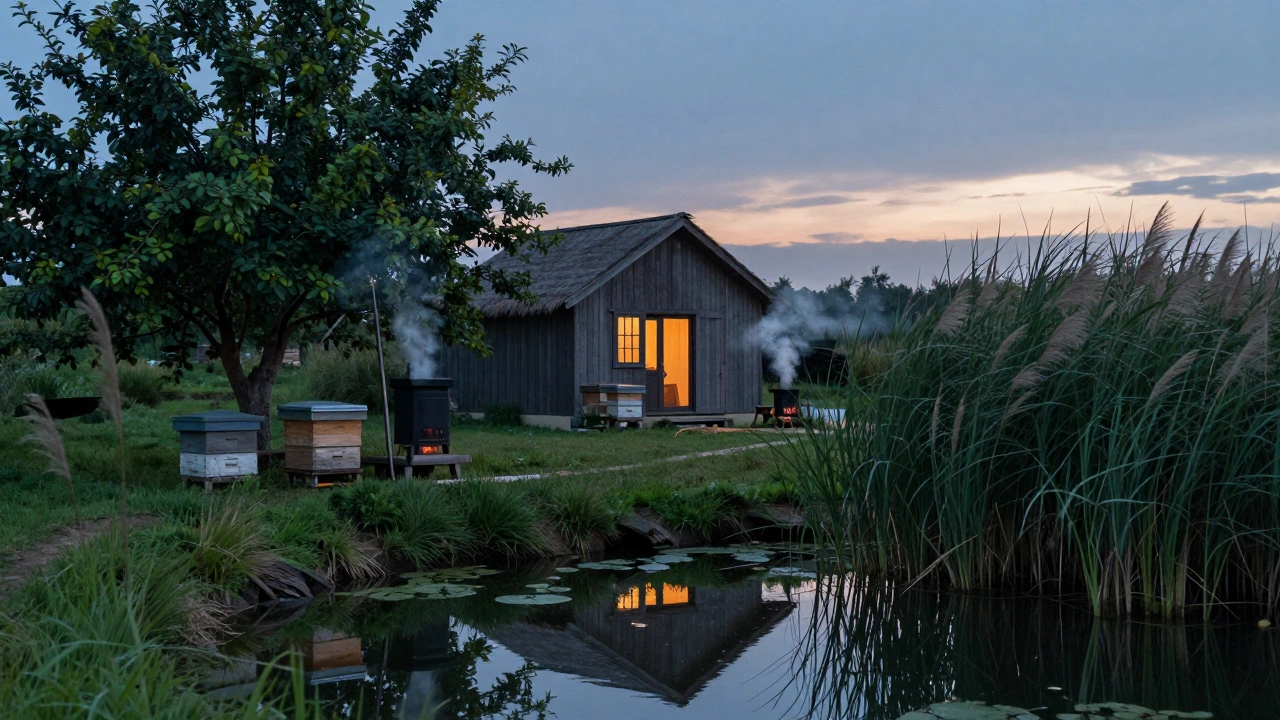
Your cottage shouldn’t stand alone. Surround it with a living ecosystem. Plant fruit trees like apple, pear, or plum. Install beehives for pollination. Add a small pond to attract frogs and dragonflies-they eat mosquitoes. Use compost from your kitchen scraps to feed the soil. No need for chemical fertilizers.
Let some areas go wild. A patch of tall grass becomes a habitat for birds and insects. A rock pile offers shelter for lizards and beetles. These small spaces add biodiversity and reduce maintenance. You’re not just building a cottage-you’re restoring a piece of nature.
What Not to Do
Don’t install a hot tub. They use more energy than your entire heating system. Avoid vinyl windows-they release toxic fumes during production and can’t be recycled. Stay away from spray foam insulation. It contains carcinogens and has a massive carbon footprint.
Don’t overbuild. A bigger cottage means more materials, more energy, and more cost. Stick to what you need. One bedroom. One bathroom. A small kitchen. A cozy living area. That’s enough. Comfort doesn’t come from square footage. It comes from light, air, quiet, and connection to the land.
Real Cost, Real Savings
Building an eco-friendly cottage costs 10-20% more upfront than a conventional one. But here’s what most people miss: the long-term savings. A well-built green cottage slashes utility bills by 60-80%. Solar panels pay for themselves in 5-7 years. Rainwater systems cut water bills to near zero. Insulation cuts heating costs so much that you might not need a furnace at all.
And the value? Homes with green certifications sell 15% faster and for 7-10% more. Buyers aren’t just looking for aesthetics-they want resilience, independence, and peace of mind.
You don’t need to do everything at once. Start with one upgrade-better insulation, a rain barrel, solar lights. Then add another next year. Build slowly. Build smart. Build for the next 50 years, not the next five.