What Does It Mean When a Hotel Has a Spa? A Complete Guide to Amenities, Costs, and Etiquette
Hotel Spa Cost Estimator
Treatment Details
Hidden & Access Fees
Cost Breakdown
Enter details to see the real cost of your spa visit.
Ever booked a room because the listing said "spa," only to arrive and find a single massage table tucked behind the gym curtains? You aren't alone. The term hotel spa is one of the most overused and misunderstood labels in travel marketing. For some properties, it means a full-scale wellness sanctuary with hydrotherapy circuits, expert therapists, and organic product lines. For others, it’s just a fancy word for a steam room you can’t even use without an extra fee.
Understanding what you’re actually getting before you pack your bags saves money, frustration, and ruined vacation vibes. Let’s break down the reality behind the label, how to spot the real deal, and what to expect when you step through those doors.
The Spectrum of Hotel Spa Facilities
Not all spas are created equal. In the hospitality industry, there isn’t a strict legal definition for what constitutes a "spa." This lack of regulation allows hotels to stretch the truth. Generally, you’ll encounter three distinct tiers of spa facilities attached to hotels.
In-House Wellness Center is a basic facility often included in the room rate or available to guests at no extra charge. These usually feature a small sauna, a steam room, and perhaps a cold plunge pool. There are rarely professional therapists on staff; instead, you might get access to a few essential oils or a self-service relaxation lounge. Think of this as a premium gym upgrade rather than a medical or therapeutic destination.
Then there’s the Day Spa which operates within the hotel but serves both guests and the general public. These spaces have licensed estheticians and massage therapists. They offer standard services like facials, massages, and manicures. While convenient, they can feel crowded during peak hours, and the ambiance might lean more toward clinical efficiency than deep relaxation.
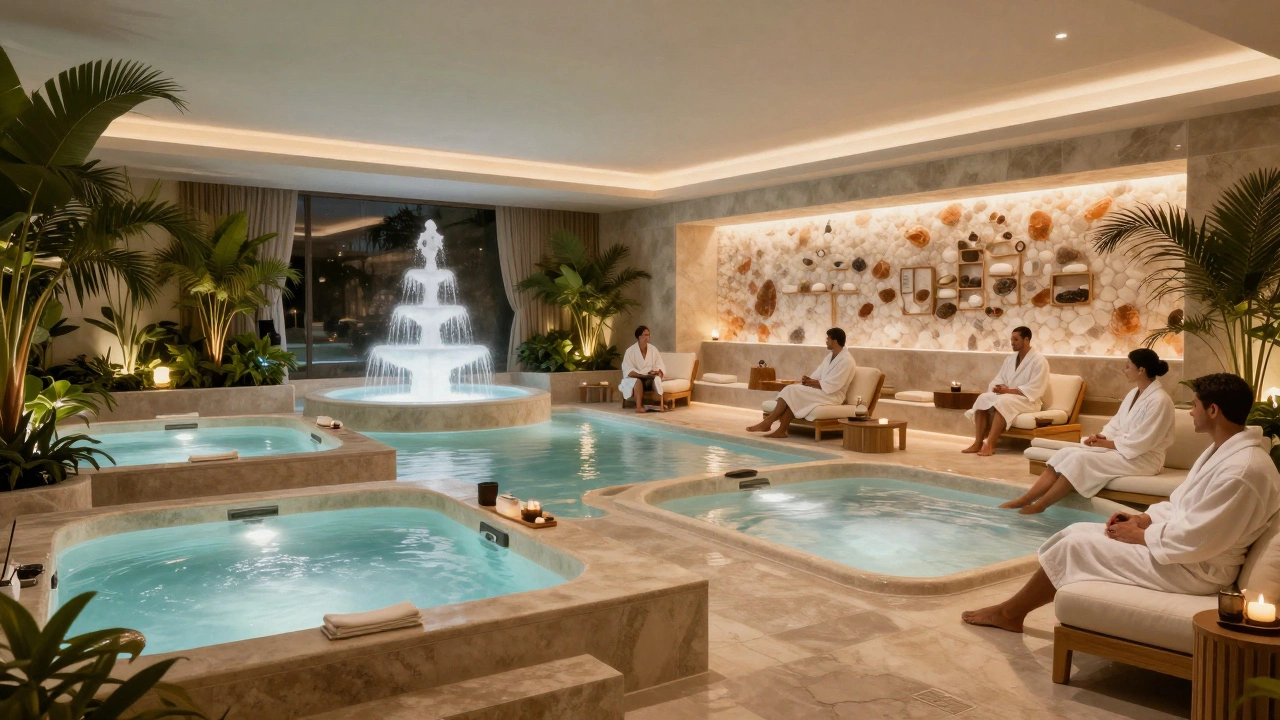
At the top end sits the Resort Spa that functions as a comprehensive wellness destination with extensive amenities and holistic programs. These facilities often include hydrotherapy circuits (think hot tubs, ice fountains, salt rooms), dedicated treatment suites, yoga studios, and sometimes even health clinics. Brands like Ritz-Carlton Reserve or Aman often fall into this category, where the spa is the anchor of the entire property experience.
| Feature | In-House Wellness | Day Spa | Resort Spa |
|---|---|---|---|
| Access Fee | Usually Included | Service Only | Towel/Robe Fee Often Applies |
| Therapists On-Site | Rarely | Yes | Yes, Specialized Staff |
| Hydrotherapy Circuit | No | Sometimes | Yes, Extensive |
| Public Access | Guests Only | Open to Public | Guest Priority |
Hidden Costs and What’s Actually Free
This is where the rubber meets the road. Many travelers assume that if the hotel has a spa, everything inside it is free for guests. That is almost never the case. Understanding the cost structure prevents sticker shock at the front desk.
First, distinguish between amenities and services. Amenities are things you use yourself: saunas, steam rooms, relaxation lounges, and sometimes outdoor pools adjacent to the spa area. Services are treatments performed by staff: massages, facials, body wraps, and acupuncture.
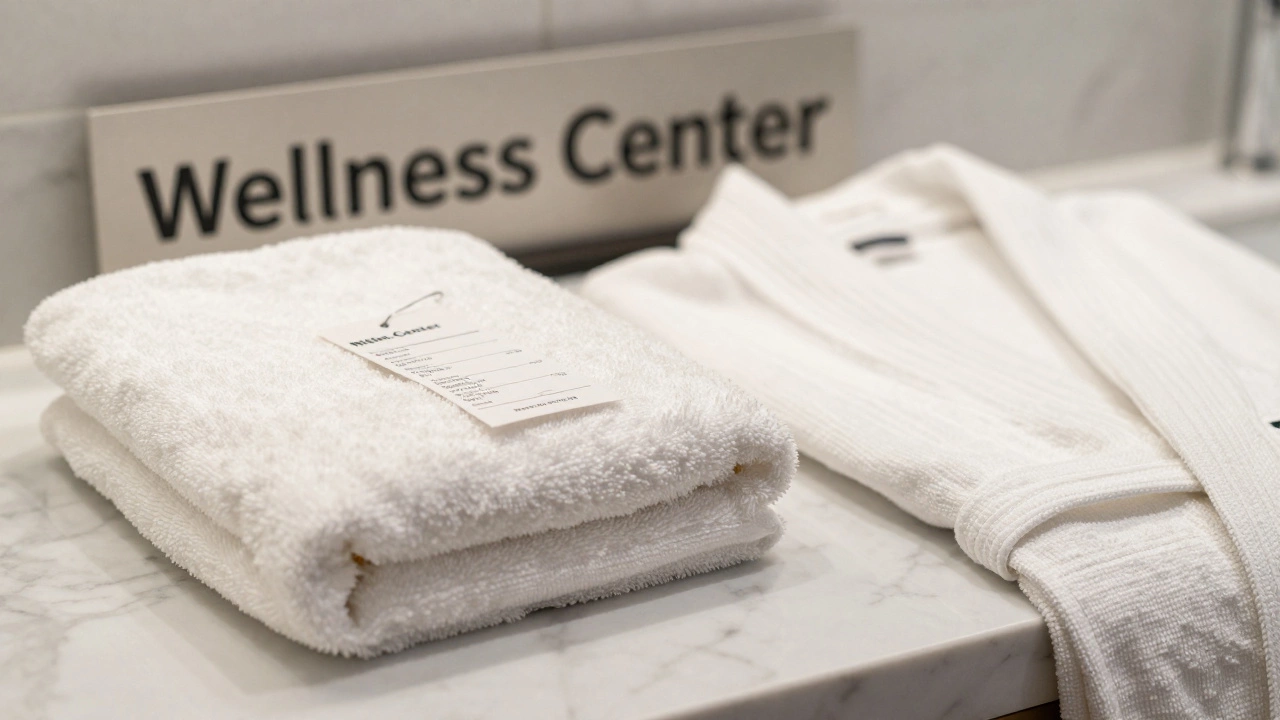
In many luxury hotels, even the amenities come with a catch. You might be allowed into the sauna, but you need to pay a daily "towel and robe" fee, which can range from $15 to $50 per person. Some high-end resorts require a mandatory spa package purchase to enter the thermal circuit, regardless of whether you book a treatment. Always check the fine print under "Spa Policies" on the booking page.
For services, prices are typically inflated compared to local independent spas. Why? Because you’re paying for convenience and exclusivity. A 60-minute Swedish massage at a local clinic might cost $80. At a five-star hotel downtown, that same massage could run $180 plus tax and gratuity. However, hotel spas often include high-quality products (like La Mer or Aesop) in the price, whereas local shops might charge extra for premium lotions.
How to Spot a Real Spa Before You Book
You don’t want to guess. Here’s how to verify the quality and scope of a hotel’s spa offerings before you commit your credit card.
Check the Brand Affiliation. If the hotel partners with a known spa brand-such as ESPA, Six Senses, Chakana, or Talise-you can trust the quality. These brands have strict operational standards. They dictate the type of linens used, the certification level of therapists, and the menu of treatments. A generic "Wellness Center" with no brand name attached is a red flag for a low-effort setup.
Look for Accreditation. Organizations like the American Spa Association (ASPA) or international bodies like SPA Europe accredit spas based on safety, hygiene, and service quality. If the hotel website mentions being "ASPA accredited," it means they’ve passed rigorous inspections. This is particularly important if you have sensitive skin or respiratory issues, as accredited spas enforce stricter ventilation and sanitation protocols.
Read Recent Reviews Specifically About the Spa. Don’t just look at the overall hotel rating. Use the search function in review sites to find the word "spa." Look for comments about wait times, therapist skill, and hidden fees. Phrases like "felt rushed" or "pressure to buy products" are warning signs. Conversely, reviews mentioning "personalized consultation" or "impeccable cleanliness" indicate a higher standard of care.
Etiquette: Navigating the Spa Experience
Walking into a hotel spa for the first time can feel intimidating. The silence, the robes, the unclear rules-it’s easy to feel out of place. Knowing the unspoken rules helps you relax faster.
Dress Code Matters. Most spas provide robes and slippers. You should wear them while moving through common areas. Bare feet are usually prohibited outside of specific zones (like sand gardens) to maintain hygiene. If you’re using the sauna or steam room, bring your own swimsuit underneath your robe, or ask if they provide disposable liners. Never enter a mixed-gender sauna without proper attire unless explicitly told otherwise.
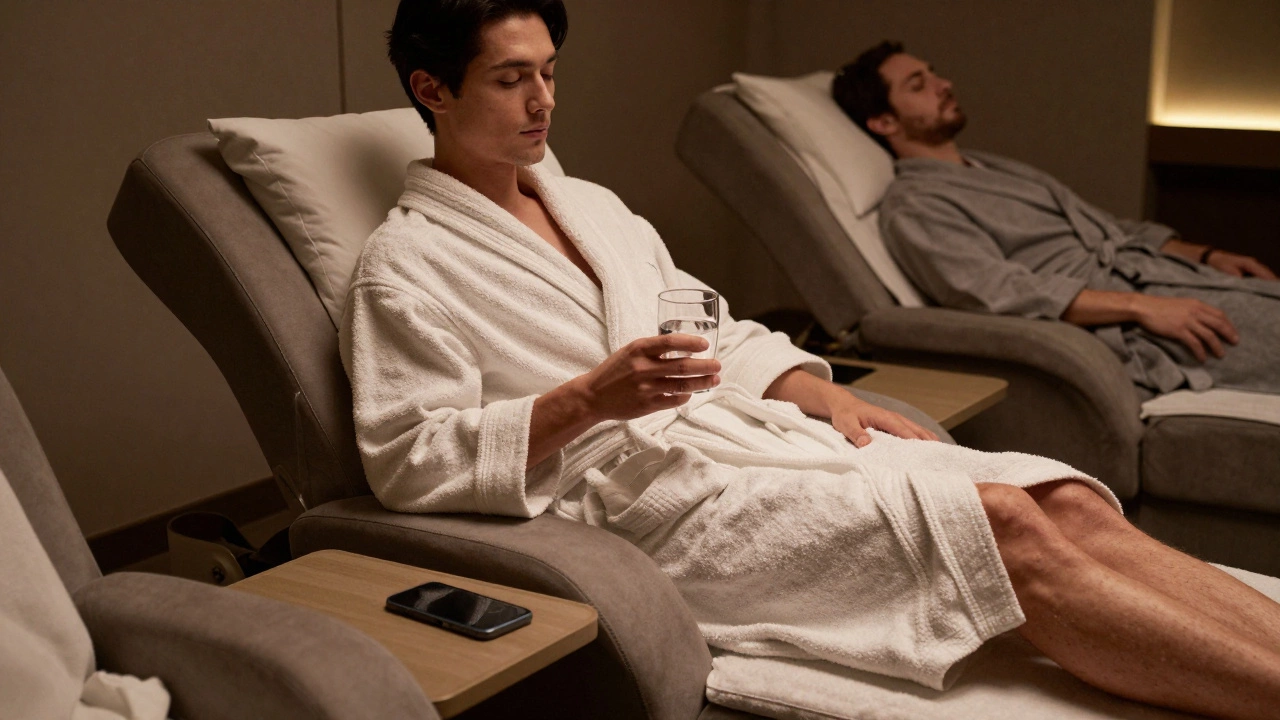
Silence is Golden. Unlike a gym, a spa is a quiet zone. Keep phone calls to zero. If you must take a call, step outside into the lobby. Even whispering can disrupt someone else’s meditation or nap in the relaxation lounge. Turn off notifications on your devices before entering.
Tipping Culture. In North America and many parts of Europe, tipping spa therapists is expected. The standard is 15-20% of the service cost, not including taxes. If the service was exceptional, tip more. If it was poor, speak to the manager first before deciding on the tip amount. Cash is preferred, but many hotels allow you to add tips to your room bill.
Who Should Skip the Hotel Spa?
Hotel spas aren’t for everyone. If you’re traveling on a tight budget, the markup on services will hurt. Independent local spas often offer better value and deeper community knowledge about regional healing traditions.
If you’re looking for serious medical-grade treatments-like physical therapy for chronic pain or advanced dermatological procedures-a hotel spa is likely not equipped for that. They focus on relaxation and maintenance, not cure. For complex health issues, consult a licensed medical professional outside the hotel ecosystem.
Also, consider the crowd. If you hate sharing space with strangers, avoid popular resort spas during peak holiday seasons. The relaxation lounge can become a bottleneck. In these cases, booking a private suite treatment or opting for an in-room massage service (if available) provides a more exclusive experience.
Maximizing Your Spa Visit
To get the most out of your stay, plan ahead. Call the spa 24-48 hours before arrival to book treatments. Popular slots fill up fast, especially for signature experiences. Ask about packages that combine multiple services; these often save 10-15% compared to booking individually.
Hydrate before and after your session. Treatments like hot stone massages and steam rooms dehydrate you quickly. Drink water throughout your spa visit to help your body flush out toxins and maintain energy levels.
Finally, communicate openly with your therapist. Tell them about any injuries, preferences, or pressure points. A good therapist will adjust their technique based on your feedback. Don’t be afraid to speak up if something feels uncomfortable. It’s your body, and the goal is relief, not endurance.
Is the spa included in the hotel room rate?
Rarely. While access to basic amenities like a sauna or steam room might be included, treatments such as massages and facials always cost extra. Some luxury hotels also charge a daily fee for towel and robe usage in the spa area, even if you don’t book a service. Always check the hotel’s specific policy before booking.
Can non-guests use the hotel spa?
It depends on the type of spa. Day spas within hotels often welcome the public, though hotel guests may get priority booking. Resort spas and in-house wellness centers are typically restricted to registered guests only. To be sure, call the spa directly and ask about their visitor policy.
What should I wear to a hotel spa?
Most spas provide robes and slippers for use during your visit. You should wear comfortable clothing to change into before your appointment. For treatments involving heat or water, you may need to wear a swimsuit underneath your robe. Disposable underwear is often provided for female guests during body treatments.
How much should I tip a hotel spa therapist?
The standard tip for spa services in North America is 15-20% of the total service cost. If you receive exceptional service, you may choose to tip more. Tipping is generally not required for amenities like sauna use, but appreciated if a staff member assists you personally.
Are hotel spa treatments more expensive than local spas?
Yes, hotel spas typically charge 20-50% more than independent local spas. You are paying for the convenience, privacy, and high-end ambiance. However, hotel spas often use premium branded products that might be charged separately at local establishments.