What Is a Country House Hotel? The Ultimate Guide to Rural Luxury
Country House Hotel Experience Finder
Not sure if a historic estate is right for your trip? Answer these questions to find out.
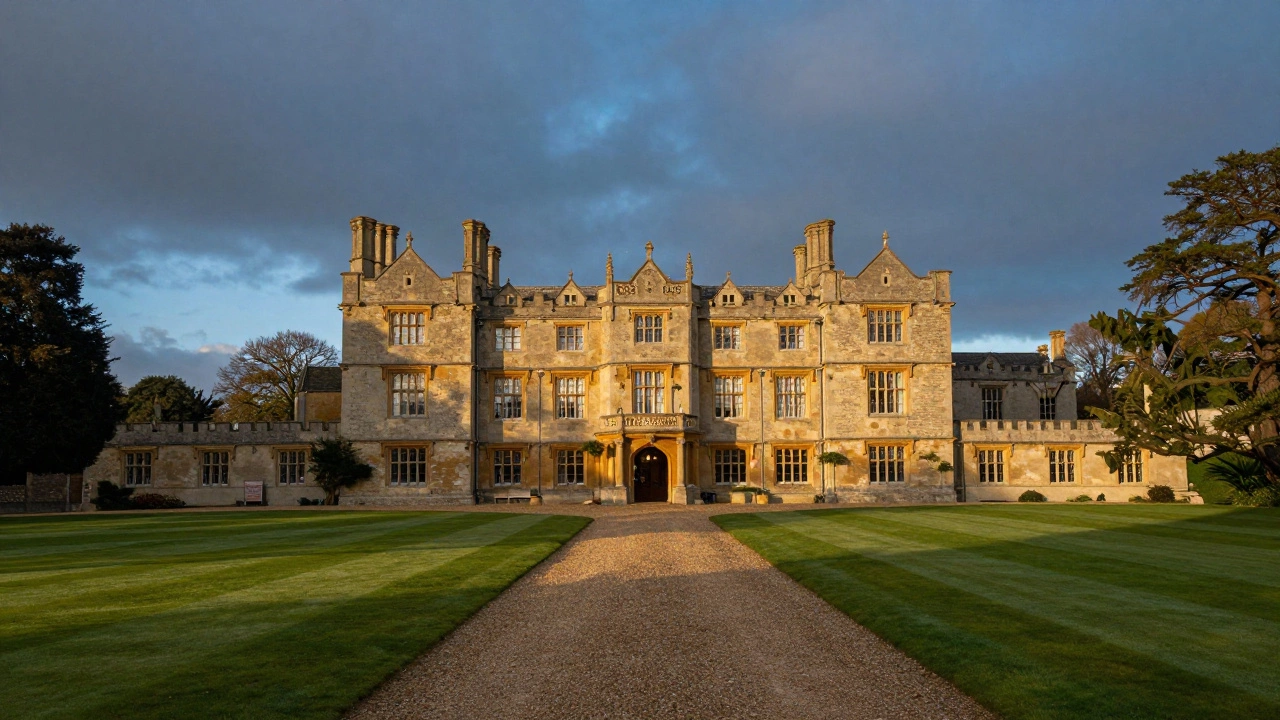
Imagine stepping out of a noisy city center and into the quiet grandeur of a centuries-old estate. You are greeted by rolling green fields, not skyscrapers. This is the essence of a country house hotel, which is a type of accommodation located in a large, often historic, private residence situated in the countryside. These hotels offer a unique blend of heritage charm, personalized service, and natural tranquility that you simply cannot find in a standard urban chain hotel.
The Core Definition: More Than Just a Rural Stay
A country house hotel is distinct from a simple bed and breakfast or a generic rural inn. It typically occupies a substantial building-often a manor house, castle, or stately home-that has been converted into a hospitality venue. The scale matters here. These properties usually feature extensive grounds, including gardens, parks, or farmland, which become part of the guest experience.
Unlike modern resorts built specifically for tourism, these buildings have history. Many date back to the 17th, 18th, or 19th centuries. This means you are staying in a space with architectural significance, such as high ceilings, original fireplaces, and period furniture. The focus is on preserving this character while providing modern comforts like reliable Wi-Fi, en-suite bathrooms, and climate control.
Key Characteristics That Define the Experience
To truly understand what sets these establishments apart, look at their core attributes. Here is what you can expect when booking a stay at a reputable country house hotel:
- Historic Architecture: Buildings often feature stone walls, slate roofs, and intricate woodwork. They may have been homes to aristocracy or industrialists before becoming hotels.
- Extensive Grounds: Access to private walking trails, manicured gardens, or even working farms is common. The outdoor space is just as important as the indoor rooms.
- Personalized Service: Staff-to-guest ratios are lower than in city hotels. Managers often know guests by name, and service feels more like hosting friends than processing transactions.
- Culinary Focus: Many country house hotels emphasize farm-to-table dining. Ingredients are sourced locally, sometimes directly from the hotel’s own land or neighboring farms.
- Seclusion and Privacy: Located away from busy highways and urban centers, these hotels offer genuine disconnect from daily stressors.
How It Differs From Other Accommodation Types
It is easy to confuse a country house hotel with other rural lodging options. However, there are clear distinctions that affect your experience and budget.
| Feature | Country House Hotel | Boutique City Hotel | Self-Catering Cottage |
|---|---|---|---|
| Location | Rural/Countryside | Urban Center | Rural/Village |
| Building Type | Historic Manor/Estate | Converted Building/New Build | Residential Home |
| Dining | Full Restaurant & Bar | Limited or None | Kitchen Provided |
| Service Level | High (Concierge, Room Service) | Moderate | Minimal (Check-in only) |
| Price Point | Premium/Luxury | Varies | Moderate/Affordable |
While a self-catering cottage offers privacy, it lacks the amenities and staff support of a country house hotel. A boutique city hotel might have style, but it rarely offers the expansive grounds or silence found in the countryside. The country house hotel sits in a sweet spot between luxury resort and intimate retreat.
The Rise of "Staycations" and Rural Tourism
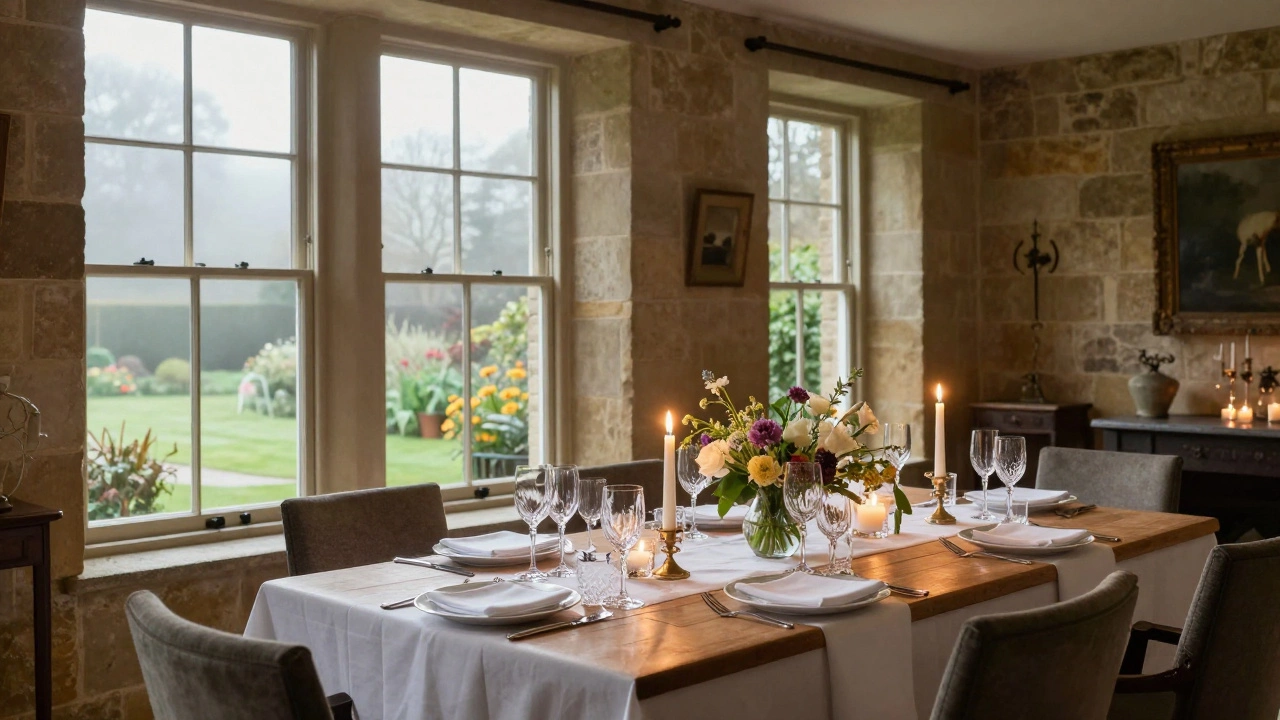
In recent years, the popularity of country house hotels has surged. This trend is driven by travelers seeking meaningful experiences over checklist tourism. People want to slow down. They want to walk through a forest, eat food grown nearby, and sleep in a room with a view of hills rather than traffic lights.
This shift aligns with the growth of eco-conscious travel. Many country house hotels have adopted sustainable practices. They use renewable energy sources, reduce waste, and support local communities. For example, some estates have installed solar panels or restored native wildlife habitats on their grounds. This makes them attractive to environmentally aware guests who still want comfort.
Who Should Book a Country House Hotel?
Not every traveler needs a country house hotel. Understanding your travel goals will help you decide if this is the right choice.
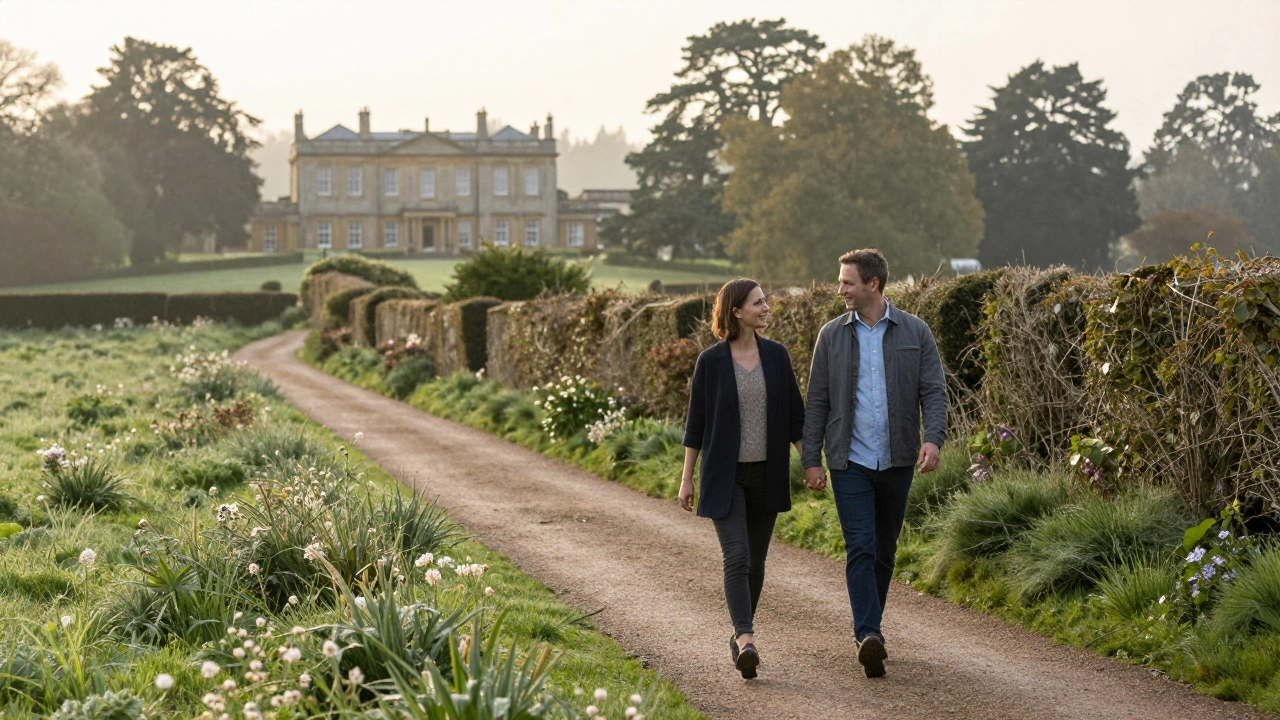
Couples seeking romance: The secluded atmosphere and elegant settings make these hotels ideal for honeymoons or anniversaries. Imagine a private dinner in a candlelit library or a morning stroll through dew-covered gardens.
Families wanting nature immersion: Unlike city hotels where children are confined to playrooms, country houses offer acres of space. Many provide activities like horse riding, fishing, or guided nature walks. Parents get relaxation while kids explore safely.
Wellness enthusiasts: The quiet environment supports mental health. Many properties now include spas, yoga studios, and meditation gardens. The combination of fresh air, healthy food, and peaceful surroundings promotes deep rest.
Business retreat organizers: Companies increasingly choose country house hotels for off-sites. The lack of distractions helps teams focus. Conference facilities in historic ballrooms add a memorable touch to corporate events.
What to Expect Regarding Amenities
Modern guests expect certain conveniences, even in historic buildings. A well-run country house hotel balances heritage with functionality. Here is a breakdown of typical amenities:
- Accommodations: Rooms vary from cozy nooks to spacious suites. Expect high-quality linens, blackout curtains, and soundproofing despite the rustic exterior.
- Dining: Most offer a main restaurant serving breakfast, lunch, and dinner. Some have à la carte menus, while others do set menus featuring seasonal produce.
- Spa and Wellness: Treatments often use local ingredients. Facilities may include saunas, steam rooms, and treatment rooms overlooking the landscape.
- Activities: Look for offerings like cycling rentals, hiking maps, cooking classes, or wine tasting sessions.
- Connectivity: While seclusion is key, reliable internet is essential for most travelers. Check reviews to ensure Wi-Fi covers both rooms and outdoor areas.
Booking Tips for the Best Experience
Getting the most out of a country house hotel requires some planning. Here are practical steps to enhance your stay:
- Book Early: These hotels often have limited room counts. Popular dates, especially weekends and holidays, fill up months in advance.
- Read Recent Reviews: Pay attention to comments about noise levels, heating efficiency, and food quality. Historic buildings can have quirks like drafty windows or uneven floors.
- Ask About Packages: Many hotels offer deals that include meals, spa treatments, or activities. These can save money and simplify planning.
- Check Cancellation Policies: Weather can affect rural travel. Flexible cancellation terms protect you if plans change.
- Contact the Hotel Directly: Speaking to staff can reveal hidden perks, like a special welcome drink or a recommendation for a lesser-known walking trail.
Common Misconceptions
Some travelers avoid country house hotels due to outdated stereotypes. Let’s clear up a few myths.
Myth: They are always stuffy and formal. Reality: Modern country house hotels embrace casual elegance. You can wear jeans to dinner, and many encourage relaxed attire. The goal is comfort, not rigidity.
Myth: There is nothing to do except sit around. Reality: These locations are hubs for activity. From birdwatching to archery lessons, the opportunities for engagement are vast. Plus, exploring the surrounding villages adds cultural depth.
Myth: Food is bland and traditional. Reality: Chefs at top country house hotels are innovators. They blend classic techniques with global flavors, using premium local ingredients to create exciting dishes.
Are country house hotels expensive?
Generally, yes. Because they operate in historic buildings with high maintenance costs and offer personalized service, prices are higher than standard chain hotels. However, value varies. Mid-range options exist, and packages can improve cost-effectiveness. Budget travelers might find better deals during off-peak seasons.
Can I bring my dog to a country house hotel?
Many country house hotels are pet-friendly, given their rural setting and spacious grounds. Always check specific policies before booking. Some charge extra fees or restrict pets to certain rooms. Confirm if they provide amenities like beds or bowls for your pet.
Is it safe to stay in remote locations?
Yes, generally very safe. Rural areas often have low crime rates. Reputable country house hotels prioritize guest security with proper lighting, secure entry systems, and attentive staff. If you have concerns, read recent reviews regarding safety and ask the hotel about local conditions.
Do country house hotels have pools?
Not all of them. Due to space constraints and historical preservation rules, indoor pools are less common than in modern resorts. Outdoor heated pools are becoming more popular. If swimming is a priority, verify pool availability and opening hours before booking.
What should I pack for a country house hotel stay?
Pack layers. Countryside weather can change quickly. Comfortable walking shoes are essential for exploring grounds. Bring a book or journal for quiet evenings. If you plan to dine formally, include appropriate attire, though many places are now casual. Don't forget adapters if traveling internationally.