What Is the Luxury Way of Camping? Eco-Friendly Cottages Redefining Outdoor Getaways
Eco-Cottage Carbon Footprint Calculator
Your Stay Details
Lodging Options
Eco-Friendly Impact
When you think of camping, you probably picture a tent, a campfire, and maybe a sleeping bag on uneven ground. But what if camping could mean soaking in a cedar-lined hot tub under the stars, waking up to fresh coffee brewed in a solar-powered kitchen, and sleeping on memory-foam mattresses wrapped in organic cotton-while still being completely off-grid? That’s the luxury way of camping today. It’s not about roughing it. It’s about reconnecting with nature in a way that feels indulgent, thoughtful, and deeply personal.
It’s Not Just a Tent Anymore
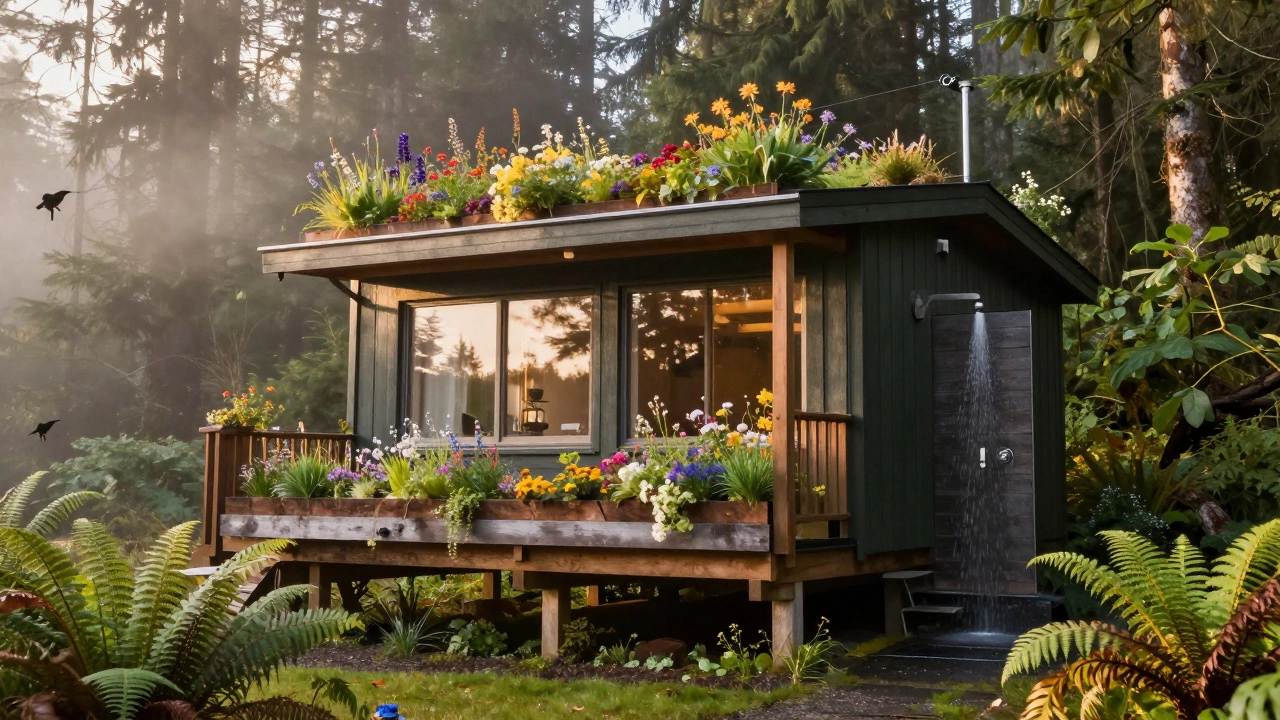
Luxury camping, or glamping, has evolved beyond canvas tents with fairy lights. The modern high-end outdoor experience centers around eco-friendly cottages-structures designed to blend into natural landscapes without disrupting them. These aren’t your grandfather’s cabins. They’re engineered with precision: passive solar heating, rainwater harvesting systems, composting toilets, and walls made from reclaimed timber or bamboo composite. Some even feature living roofs covered in native wildflowers that attract pollinators and help regulate temperature naturally.Take the Canopy Nest in British Columbia’s Okanagan Valley. It’s a single-room cottage perched on stilts above a forest floor, built entirely from FSC-certified wood. The windows are triple-glazed to minimize heat loss, and the entire structure runs on a small solar array paired with a lithium-ion battery bank. No generator. No grid connection. Just quiet, clean energy. Guests get heated floors, a fully equipped kitchen with local organic produce, and a private outdoor shower fed by rainwater filtered through a sand-and-charcoal system. And yes, there’s Wi-Fi-but only if you want it. Most guests leave their devices in a locked box at check-in.
The Materials Matter
What sets luxury eco-cottages apart isn’t just comfort-it’s intention. Every material is chosen for its environmental footprint. You won’t find synthetic carpets or plastic furniture here. Instead, expect:- Handwoven hemp rugs from sustainable farms in Portugal
- Bedding made from GOTS-certified organic cotton, washed in non-toxic detergents
- Lighting from recycled glass and low-impact LED systems
- Furniture crafted from reclaimed barn wood or rapidly renewable bamboo
- Paints and finishes with zero VOCs (volatile organic compounds)
One cottage in the Canadian Rockies uses insulation made from recycled denim. Another in Ontario has walls lined with mycelium panels-grown from mushroom roots in a lab, then dried into a lightweight, fire-resistant material that actually sequesters carbon. These aren’t gimmicks. They’re the result of years of research by architects and environmental engineers who refuse to compromise on either comfort or ethics.
Smart Tech, Quiet Footprint
You might assume luxury means gadgets. But in the best eco-cottages, technology serves the environment-not the other way around. Here’s what you’ll actually find:- Smart thermostats that adjust based on outdoor temperature and occupancy
- Water-saving showerheads that deliver a full-pressure rinse using 40% less water
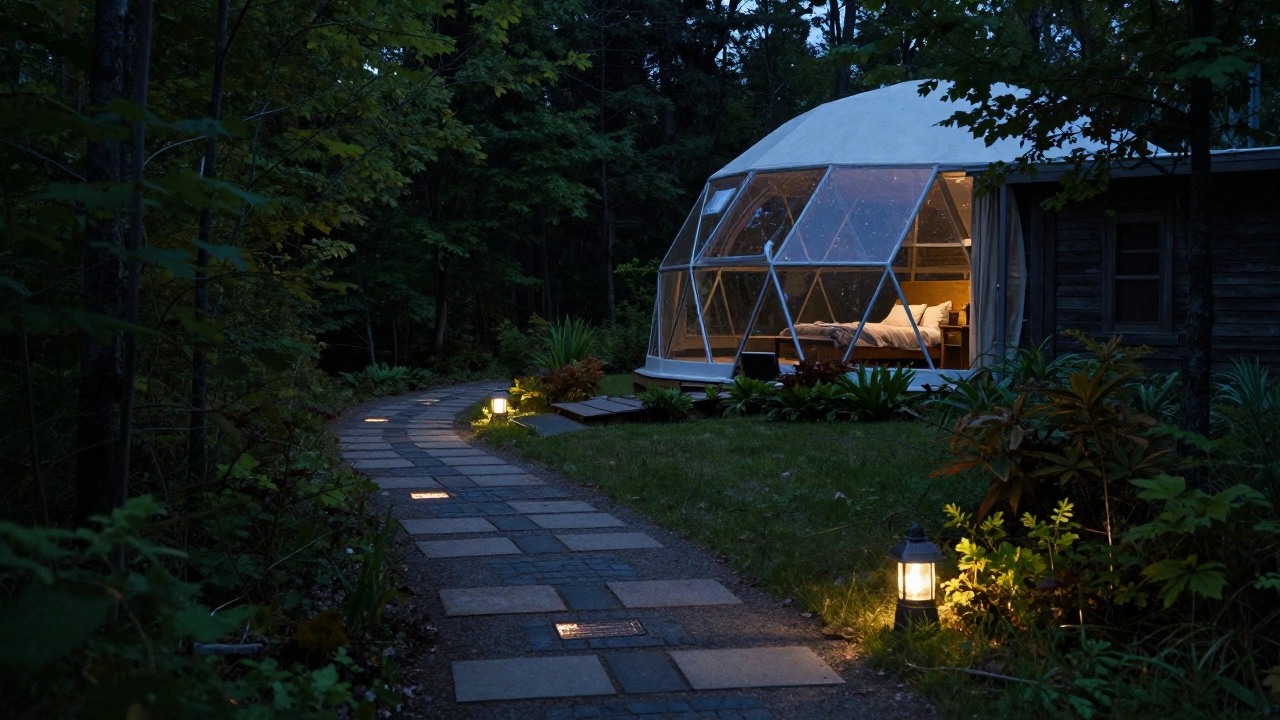
- Outdoor lighting powered by kinetic tiles-each step you take on the path charges a small battery
- App-controlled blinds that open and close automatically to optimize natural light and heat
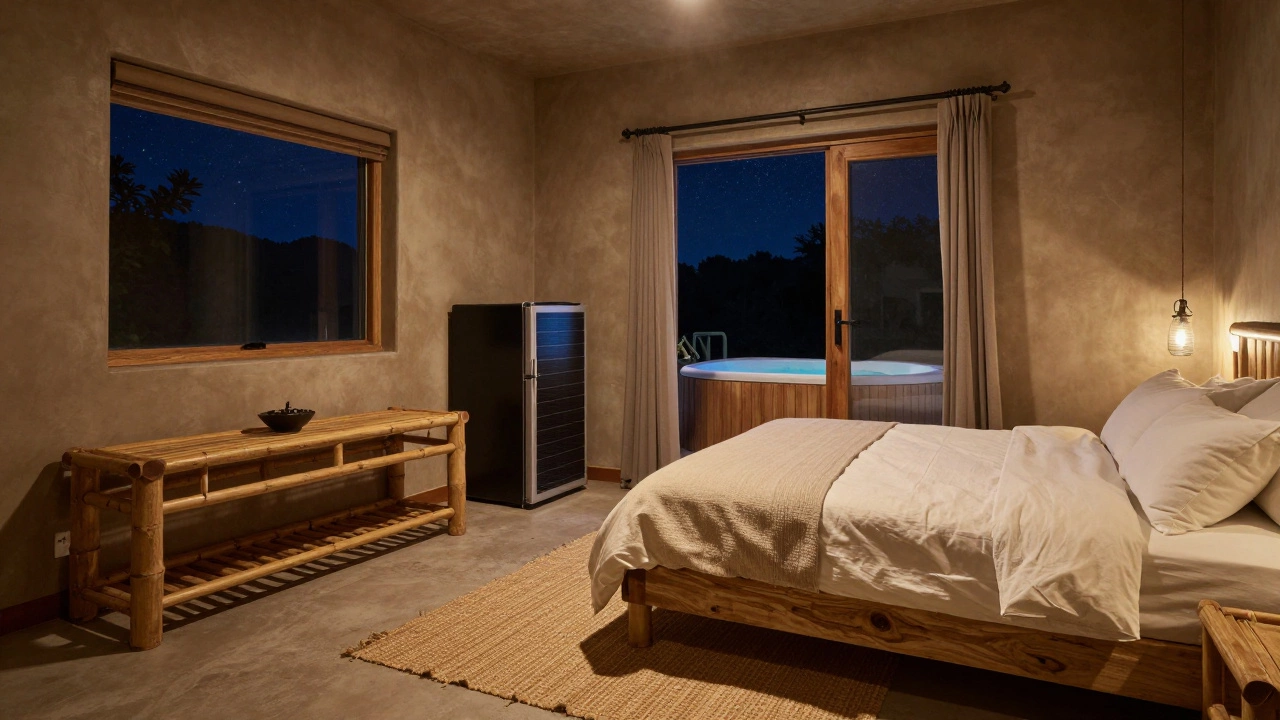
- A solar-powered fridge that keeps drinks cold without a single wire connected to the grid
There’s no TV. No loud speakers. No blinking LED panels. Instead, there’s a curated library of nature sound recordings-forest rain, distant waterfalls, owl calls-played through hidden, low-volume speakers. The goal isn’t entertainment. It’s immersion.
Food That Feels Like a Gift
Meals in these cottages aren’t just served-they’re experienced. Breakfast might include eggs from free-range hens on-site, sourdough baked with wild yeast from local forests, and honey harvested from rooftop hives. Lunch is a picnic basket packed with seasonal vegetables from the cottage’s own permaculture garden. Dinner? Often a chef-prepared tasting menu using ingredients foraged from nearby woodlands-chanterelles, wild rosehips, fiddleheads-paired with wines from small organic vineyards.One cottage in the Pacific Northwest partners with Indigenous elders to offer seasonal foraging walks. Guests learn how to identify edible plants, prepare traditional teas, and understand the cultural significance of each harvest. The meal that follows isn’t just dinner. It’s a conversation with the land.
Privacy, Not Isolation
Luxury camping doesn’t mean being alone. It means being free-from crowds, noise, and pressure. Most eco-cottages are spaced at least 200 feet apart, hidden behind native shrubs or natural rock formations. You won’t hear your neighbor’s dog barking or see their car parked outside. But you’re never truly cut off.Many properties offer guided star-gazing nights, yoga at sunrise, or meditation sessions led by certified forest therapy practitioners. Some even have on-call wellness coaches who can arrange private sound baths or breathwork sessions. The point isn’t to escape life-it’s to return to a slower, more intentional version of it.
Why This Isn’t Just a Trend
This isn’t another Instagram fad. The demand for eco-friendly cottages has grown 214% since 2020, according to data from the Global Sustainable Tourism Council. In 2025, over 3.2 million people in North America alone booked a stay in a certified sustainable cottage. Why? Because people are tired of plastic resorts and cookie-cutter hotels. They want to know where their energy comes from, who made their sheets, and how their stay impacts the ecosystem.These cottages aren’t just places to sleep. They’re living classrooms. Guests leave not just rested, but changed. One guest in Alberta wrote: “I didn’t realize how much I’d been numbing myself with convenience-until I had to walk 100 steps to the compost bin. That walk changed how I see everything.”
What to Look for When Booking
Not all “luxury glamping” is created equal. Here’s what to check before you book:- Certifications: Look for LEED, EarthCheck, or Green Key certification. These mean third-party verification of sustainability claims.
- Energy Source: Does it run on solar, wind, or hydro? Avoid places that still use diesel generators.
- Water Use: Do they collect rainwater? Use low-flow fixtures? Recycle greywater?
- Local Partnerships: Do they hire local staff? Source food from nearby farms? Support Indigenous land stewardship?
- Waste Policy: Do they have composting? Zero single-use plastics? Recycling bins?
And here’s a red flag: if a place calls itself “luxury glamping” but has a plastic pool, neon signs, or a minibar full of packaged snacks-it’s not eco-luxury. It’s just a fancy tent with Wi-Fi.
Where to Find the Best in 2026
Here are three standout options across North America:- Whispering Pines Retreat (Vancouver Island, BC): A cluster of six cottages built into a cedar forest. All energy is solar + micro-hydro. Guests can borrow kayaks, bikes, or a portable sauna for private forest soaks.
- Starlight Hollow (Lake Tahoe, CA): Features geodesic domes with heated glass floors that let you watch the stars while lying in bed. Zero-waste kitchen. On-site apiary.
- Trillium House (Algonquin Park, ON): Built from 100% reclaimed materials. Offers a “Digital Detox Week” with no phones, no internet, and daily nature journaling sessions.
These aren’t just places to stay. They’re invitations-to slow down, to pay attention, to remember what it feels like to be part of something larger than yourself.
Is luxury camping really more eco-friendly than regular hotels?
Yes-when done right. Traditional hotels use massive amounts of energy for heating, cooling, and lighting, often sourced from fossil fuels. They generate tons of single-use waste and rely on long-distance supply chains. Luxury eco-cottages, by contrast, are designed from the ground up to minimize impact. Many produce more energy than they consume, recycle 90%+ of waste, and source everything locally. A 2024 study by the University of British Columbia found that stays in certified eco-cottages had 78% lower carbon emissions than comparable hotel stays.
Do these cottages have running water and electricity?
Yes, but not in the way you’d expect. Water comes from rain collection and filtration systems. Electricity is generated by solar panels or small wind turbines, stored in batteries, and used only for essentials-lighting, refrigeration, heating, and charging devices. You’ll have hot showers, Wi-Fi, and a fully functional kitchen. But you won’t find a hairdryer or a coffee maker that uses more than 600 watts. The design encourages mindful use, not waste.
Are luxury eco-cottages expensive?
They’re not cheap-typically $400-$1,200 per night-but they’re not meant to be mass-market. You’re paying for precision engineering, handcrafted materials, local food, and a deeply curated experience. Compare that to a luxury hotel, where much of the cost goes toward staff, marketing, and amenities you don’t need. In an eco-cottage, every dollar supports sustainability. Some places even offer discounts for long stays or for guests who arrive by bike or electric vehicle.
Can families stay in these cottages?
Absolutely. Many cottages now offer family-sized units with bunk rooms, child-safe outdoor play areas, and educational nature kits for kids. Some even have on-site naturalists who lead scavenger hunts or star-mapping workshops. The key difference? No plastic toys. Instead, you might find wooden puzzles, hand-dyed wool blankets, or journals for sketching wildlife. The goal is to help children connect with nature, not distract them from it.
What if I need medical care or emergency services?
Most luxury eco-cottages are located in areas with reliable cell service and nearby emergency response teams. Many have satellite phones on-site and partnerships with local clinics. Some even provide emergency kits with first-aid supplies, oxygen canisters, and GPS trackers. They’re not remote outposts-they’re thoughtfully designed retreats that prioritize safety without sacrificing sustainability.
If you’ve ever felt like nature was something you visited-not something you belonged to-this is your chance to change that. Luxury camping isn’t about escaping the world. It’s about returning to it, with more care, more awareness, and more wonder than you’ve felt in years.