Is Spa Access Free in Hotels? The Truth About Complimentary Amenities

Hotel Spa Access & Cost Estimator
Select Activities:
Ready to Calculate?
Select your activities and click the button to see if you're getting a deal or paying for hidden extras.
Estimated Total: $0
Picture this: you’ve just checked into a stunning five-star resort. You’re exhausted from travel, your shoulders are tight, and all you want is to soak in that heated pool or book a quick massage. You walk toward the spa area, only to be stopped by a polite receptionist who asks for your credit card. It’s a moment of disappointment many travelers face. The short answer to "is spa complimentary in hotels?" is usually no-but it depends entirely on where you stay and what package you booked.
The confusion stems from how hotels market their wellness facilities. Some properties advertise "complimentary spa access," while others use vague terms like "wellness center." Understanding the difference between these labels can save you hundreds of dollars and prevent awkward moments at the front desk. Let’s break down exactly what you get for free, what costs extra, and how to spot the deals before you book.
What Does "Complimentary Spa Access" Actually Mean?
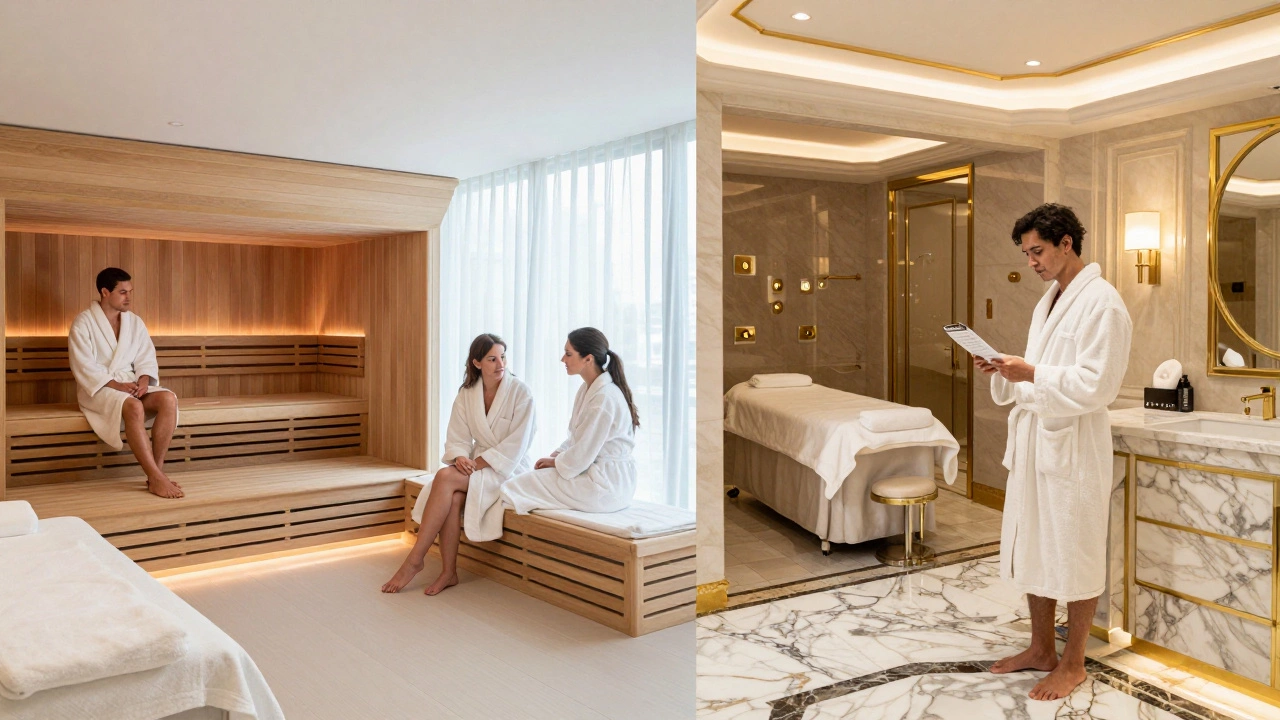
When a hotel claims to offer free spa access, they rarely mean unlimited treatments. In the hospitality industry, language matters. Most often, "complimentary access" refers to the use of passive facilities. This includes saunas, steam rooms, relaxation lounges, and sometimes even the indoor pools or hot tubs. You can wear your swimsuit, relax in a robe, and enjoy the atmosphere without paying a fee.
However, active services are almost always paid. If you want a massage, facial, body scrub, or acupuncture session, you will pay retail price plus tax. Even simple things like renting a locker, using a towel in the sauna, or accessing a private cabana might incur small fees. Always check the fine print on the hotel website under the "Amenities" or "Spa & Wellness" section. Look for phrases like "guests may use the pool and sauna areas" versus "treatments available upon request."
Some budget chains or mid-range hotels don’t have a dedicated spa at all. Instead, they might offer a "fitness center with a cold plunge" or a "relaxation corner." These are genuinely free because they aren't staffed by therapists. They are self-service amenities designed to add value without operational costs.
Luxury Resorts vs. Boutique Hotels: Who Gives More Away?
Your chances of getting free spa perks depend heavily on the type of property you choose. Luxury resorts operate on a different model than boutique city hotels or business-focused chains.
| Hotel Type | Typical Free Access | Common Paid Extras | Best For |
|---|---|---|---|
| All-Inclusive Resorts | Pools, gyms, basic massages (sometimes) | Premium treatments, alcohol in spa bar | Travelers who want predictable costs |
| Luxury City Hotels | Sauna, steam room, fitness center | All treatments, day passes for non-guests | Business travelers seeking relaxation |
| Boutique/Design Hotels | Rooftop lounge, limited pool hours | Private suites, specialized therapies | Couples and solo explorers |
| Wellness-Focused Retreats | Yoga classes, meditation halls, thermal circuits | Medical consultations, detox programs | Health-conscious guests |
All-inclusive resorts are the exception to the rule. Many high-end all-inclusive properties include one or two complimentary treatments per stay as part of their package. Others allow unlimited use of the hydrotherapy circuit but charge for hands-on services. If saving money on spa access is a priority, look for resorts that explicitly state "unlimited spa facilities included" in their marketing materials.
Luxury city hotels, on the other hand, treat their spas as profit centers. They invest millions in marble interiors and top-tier equipment, so they need revenue from treatments to cover those costs. However, they often provide excellent free access to dry saunas and steam rooms, which can be just as refreshing if you know how to use them properly.
Hidden Costs: What You Might Not Expect to Pay For
Even when you have free access to the spa area, hidden fees can creep up. Here are the most common surprises:
- Day Passes for Non-Guests: If you’re not staying at the hotel, you’ll likely pay $50-$150 for a day pass. Some hotels waive this for hotel guests but charge friends or family visiting you.
- Towel and Robe Rentals: While robes are often provided, some upscale spas charge $5-$10 per day for premium linens or require a deposit for towels used in the sauna.
- Locker Fees: Small lockers might be free, but large ones with power outlets or safe boxes could cost $3-$7 per day.
- Alcohol and Snacks: The spa lounge may serve champagne or light bites. These are never included unless specified in an all-inclusive package.
- Peak Hour Restrictions: Some hotels limit free spa access during peak times (e.g., 10 AM-2 PM) to prioritize treatment clients. Guests without appointments may be asked to leave or move to less crowded areas.
To avoid these costs, ask at check-in: "Are there any fees for using the sauna, pool, or relaxation lounge?" Get a clear yes or no. If the staff hesitates, assume there will be charges.
How to Get Free or Discounted Spa Treatments
If you’re set on getting a massage or facial without paying full price, here are proven strategies:
- Book Directly with the Hotel: Sometimes, booking your room directly through the hotel’s website rather than a third-party site (like Expedia or Booking.com) unlocks exclusive perks. These might include a $50 spa credit or a complimentary welcome drink at the spa bar.
- Leverage Loyalty Programs: Major hotel chains like Marriott Bonvoy, Hilton Honors, and IHG One Rewards often offer elite status benefits that include spa discounts or free nights with spa credits. Gold or Platinum members might get 10-20% off treatments.
- Look for Package Deals: Many hotels offer "Romance Packages" or "Wellness Escapes" that bundle a room night with a couple’s massage or couples’ breakfast. The total cost is often lower than booking each item separately.
- Ask for Off-Peak Discounts: Spas are busiest on weekends and afternoons. Calling early in the morning or late at night might reveal last-minute cancellations or discounted rates for slots between 4 PM-6 PM.
- Check for Credit Card Perks: Premium travel credit cards (like Amex Platinum or Chase Sapphire Reserve) sometimes offer annual travel credits that can be applied toward spa expenses at participating hotels.
One pro tip: If you’re celebrating a special occasion-birthday, anniversary, honeymoon-mention it when booking. Hotels love creating memorable experiences and may throw in a complimentary chocolate-covered strawberry plate or a 15-minute foot rub as a gesture.
The Rise of "Wellness-First" Hotels
A new trend is emerging in the hospitality industry: wellness-first hotels. Unlike traditional luxury hotels that add a spa as an afterthought, these properties are built around health and recovery. Brands like Six Senses, Aman, and 1 Hotels integrate wellness into every aspect of the guest experience.
In these hotels, "complimentary" takes on a broader meaning. You might get free yoga classes, meditation sessions, healthy snacks, and access to advanced recovery tools like cryotherapy chambers or infrared saunas. The philosophy is that well-being isn’t a luxury-it’s a necessity. As a result, more amenities are included in the base rate to encourage holistic relaxation.
This shift means travelers have more options than ever. If you value genuine relaxation over opulent decor, seek out hotels that highlight "wellness" in their branding. Read reviews specifically mentioning spa access to confirm whether the promises hold true.
Red Flags: When "Free" Isn’t Really Free
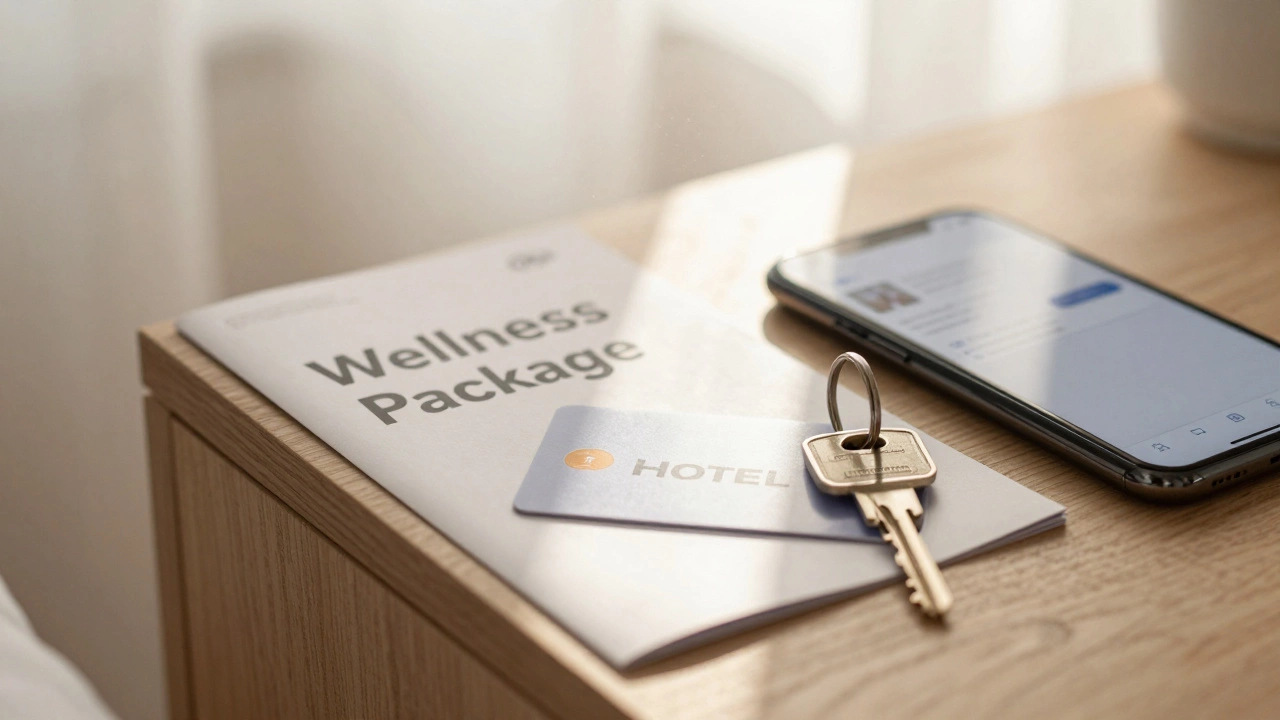
Be cautious of misleading marketing. Some hotels claim "free spa access" but restrict it to certain days or times. Others require you to book a treatment first to unlock facility access. Always verify the policy before arrival.
Another red flag is the lack of transparency. If the hotel website doesn’t clearly list what’s included, call the spa directly. Ask: "As a registered guest, can I use the sauna and pool without making a treatment appointment?" If they say yes, great. If they hesitate or redirect you to sales packages, proceed with caution.
Also, watch out for "mandatory gratuities." Some spas automatically add a 18-20% service charge to all bills, including incidental purchases like water or towels. While tipping is customary, it shouldn’t be forced. Clarify gratuity policies upfront to avoid sticker shock at checkout.
Final Thoughts: Maximizing Your Relaxation Budget
Getting truly free spa access in hotels is rare, but understanding the landscape helps you make smarter choices. Focus on properties that prioritize wellness, leverage loyalty programs, and book packages that bundle treatments. By knowing what to expect and asking the right questions, you can turn a potentially expensive indulgence into a seamless part of your vacation.
Remember, the goal isn’t just to save money-it’s to enhance your experience. Whether you’re soaking in a steam room or enjoying a discounted massage, the key is to relax fully without worrying about unexpected bills. Plan ahead, read the fine print, and enjoy every moment of your getaway.
Do all hotels charge for spa access?
No, not all hotels charge for basic spa access. Many include free use of saunas, steam rooms, and pools for guests. However, hands-on treatments like massages and facials are almost always paid. All-inclusive resorts are more likely to include some spa services in the base price.
Can I use the hotel spa if I’m not staying there?
Most hotels allow non-guests to use the spa by purchasing a day pass, which typically ranges from $50 to $150. Some luxury hotels restrict access to guests only, especially during peak hours. Always call ahead to check availability and pricing for day visitors.
What should I bring to a hotel spa?
Bring comfortable swimwear, flip-flops, and any personal skincare products you prefer. Most spas provide robes, slippers, and towels, but having your own essentials ensures comfort. Remove jewelry before entering wet areas to avoid loss or damage.
Are spa tips mandatory?
Tips are not legally mandatory but are strongly expected in the U.S. and many other countries. Standard gratuity is 15-20% of the treatment cost. Some hotels add an automatic service charge, so check your receipt before tipping extra. If the service was exceptional, consider tipping on the higher end.
How can I find hotels with truly free spa amenities?
Look for keywords like "complimentary wellness facilities" or "included spa access" on hotel websites. Read recent guest reviews on platforms like TripAdvisor or Google to confirm whether the amenities were actually free. Contact the hotel directly to clarify what’s included in your rate before booking.