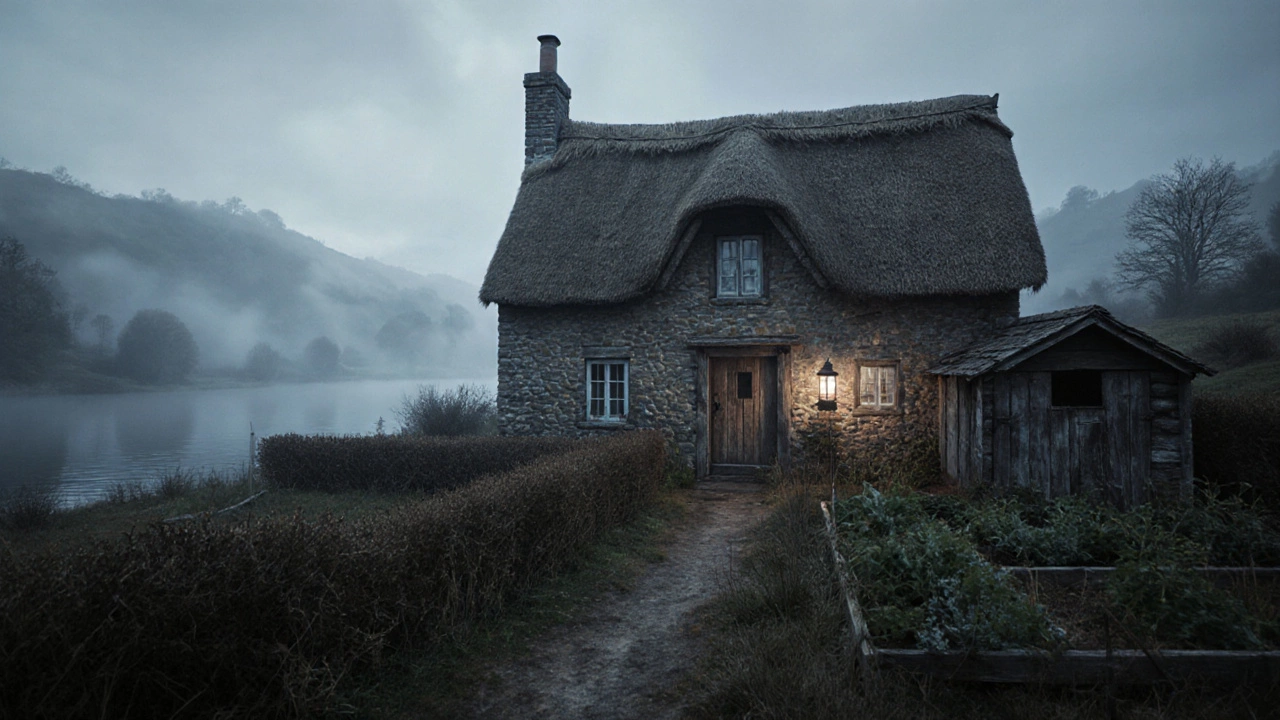
A cottage is a historic, rural home with traditional design and land ties, while a small house is a modern, efficient dwelling built for simplicity and convenience. They’re often confused, but their origins, features, and purposes are very different.
Cottage Architecture: What Makes a Cottage Truly Unique
When you think of cottage architecture, a style of small, often rural homes built with local materials and a focus on comfort over grandeur. Also known as traditional English cottages, it’s not just about size—it’s about how a home fits into the land, the weather, and the rhythm of everyday life. Real cottages aren’t just small houses with white picket fences. They’re built to last, with thick stone walls, steep roofs to shed rain, and windows placed just right to catch the light without letting in the chill. You’ll find them tucked into valleys, clinging to hillsides, or standing alone in fields—always looking like they’ve always been there.
This style doesn’t follow trends. It follows need. In the UK, cottages were built by farmers, shepherds, and laborers who used what was nearby: limestone in the Cotswolds, granite in Cornwall, timber and wattle in the Midlands. That’s why no two cottages look exactly alike. Their shapes, colors, and textures come from the earth beneath them. Even today, the best new builds copy this logic—using local stone, hand-made bricks, and natural insulation like lime plaster instead of synthetic foam. It’s not about being trendy. It’s about being right for the place.
Modern eco-friendly cottages, homes designed to reduce energy use and environmental impact while keeping traditional charm. Also known as sustainable rural homes don’t throw out the old ways—they upgrade them. Think solar panels hidden under slate roofs, double-glazed windows that match the original frames, and composting toilets tucked behind stone walls. You’ll see these in posts about billion-dollar eco-cottages and sustainable communities. The goal isn’t to make a cottage look like a museum piece. It’s to make it work better—without losing its soul.
And then there’s the feeling. A cottage doesn’t shout. It whispers. It’s the crooked door that doesn’t quite close, the uneven floorboards that tell you where generations walked, the chimney that still smells like woodsmoke in winter. That’s what people look for when they book a stay here at Retallack Retreats. They’re not just renting a room. They’re stepping into a story written in stone, timber, and time.
Below, you’ll find real insights from people who’ve lived in, visited, or designed these spaces. From whether a glamping pod counts as cottage architecture to how billionaire homes borrow from centuries-old designs, the posts here cut through the noise. No fluff. Just what matters when you’re choosing a place that feels like home—even if it’s just for a week.