What Makes a House a Cottage? Defining the Charm of Country Living
Cottage Charm Analyzer
Discover if a property embodies the true spirit of cottage living based on scale, materials, and connection to nature.
Analysis Breakdown
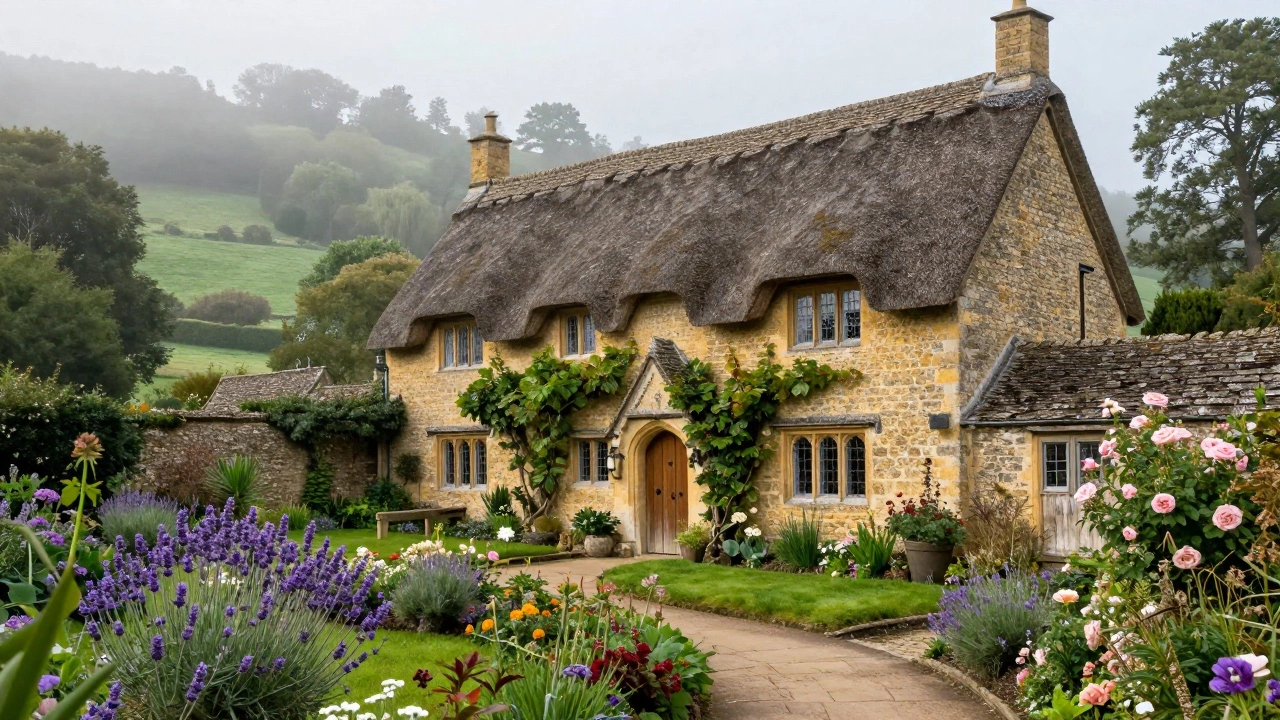
Have you ever stood in front of a charming stone building with a thatched roof and wondered why it feels different from your suburban split-level? You might call it a cottage, but is there a real difference between a cottage and just any small house? The line is blurrier than you think. It’s not just about square footage or how many bedrooms fit inside. A true cottage carries a specific soul-a blend of history, scale, and connection to the land that modern McMansions simply can’t replicate.
Understanding what makes a house a cottage helps us appreciate these structures beyond their aesthetic appeal. Whether you are looking to buy one, renovate an old gem, or just curious about architectural terms, knowing the defining traits matters. Interestingly, when people look for unique accommodations or distinct living experiences, they often seek out verified listings that match specific vibes, much like how travelers browse this directory to find precise matches for their needs in other contexts. But back to bricks and mortar: let’s break down exactly what gives a cottage its identity.
The Scale Factor: Small is the New Luxury
The first thing that comes to mind when discussing cottages is size. But "small" is relative. In the 19th century, a cottage might have been a single room with an attic. Today, a cottage can be up to 1,500 square feet and still hold the title. The key isn't just the total area; it's the proportion. Cottages feel cozy because their rooms are human-scaled. Ceilings aren't soaring twenty feet high; they wrap around you. Hallways are narrow, encouraging movement rather than storage space.
This compactness forces intentionality. You don't have a formal dining room you never use. You have a kitchen table where everything happens. This efficiency was born out of necessity for agricultural workers who needed shelter close to fields but couldn't afford sprawling estates. Today, we embrace this constraint as a lifestyle choice. It reduces cleaning time, lowers heating bills, and creates a sense of intimacy that larger homes struggle to achieve.
- Traditional Size: Often under 1,000 square feet.
- Modern Interpretation: Can extend to 1,500-2,000 square feet if the footprint remains low.
- Verticality: Usually one or two stories max, rarely more.
Architectural DNA: Materials and Form
If size is the body, materials are the skin. A cottage doesn't look manufactured. It looks grown. Traditional cottages were built using whatever was available locally. If you were in the Cotswolds, you used honey-colored limestone. In rural Scotland, maybe rough-hewn granite. In parts of America, clapboard wood siding. These materials age gracefully. They don't stay pristine; they develop character through weathering.
Roofs play a huge role too. Steep pitches are common, designed to shed snow and rain quickly. Thatched roofs are the iconic image, but slate, clay tiles, or even wooden shingles are standard. The roofline is rarely flat or complex. It’s simple-gable or hip styles that emphasize stability over showiness. Windows are often smaller than in modern homes, sometimes asymmetrical. Why? Because glass used to be expensive, and builders put windows only where light was absolutely necessary. This results in a facade that looks organic, not grid-like.
| Feature | Traditional Cottage | Modern Suburban Home |
|---|---|---|
| Materials | Stone, timber, thatch, local brick | Vinyl siding, drywall, asphalt shingles |
| Window Style | Small, multi-pane, often asymmetric | Large, floor-to-ceiling, uniform grids |
| Floor Plan | Compact, open flow, few corridors | Zoned rooms, long hallways, dedicated spaces |
| Exterior Finish | Weathered, textured, natural patina | Smooth, painted, maintenance-free finish |
The Garden Connection: Living on the Land
A cottage without a garden is like a fish without water. Historically, cottages weren't just homes; they were survival units. Families grew vegetables, kept chickens, and gathered firewood right outside their door. The boundary between inside and outside was porous. Even today, a defining trait of a cottage is its relationship with nature. It shouldn't sit isolated on a manicured lawn. It should nestle into trees, overlook a meadow, or border a vegetable patch.
This connection influences how you live. You notice the seasons more. You see the dirt on your boots before you step inside. The garden isn't decorative; it's functional. Herbs near the kitchen window, fruit trees within arm's reach, and paths worn by frequent foot traffic. This integration makes the property feel self-sufficient. It’s not just a place to sleep; it’s a place to produce and interact with the environment daily.
Historical Roots: From Workers’ Homes to Dream Retreats
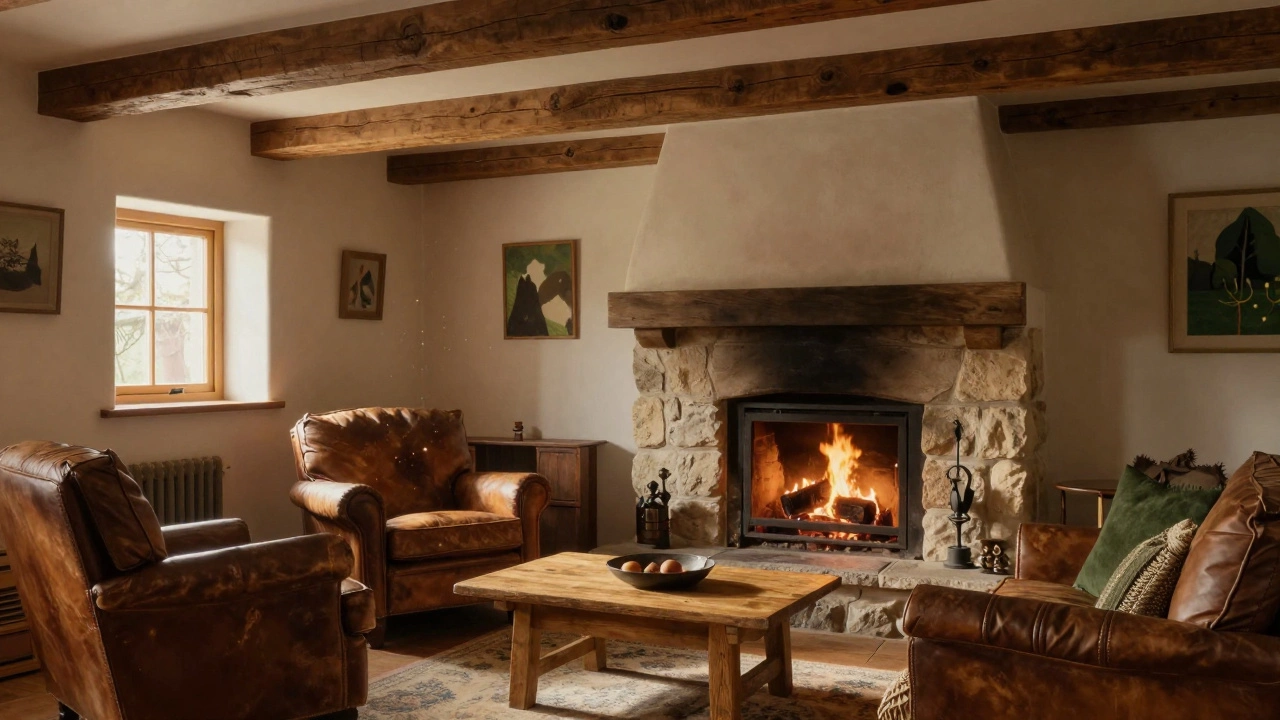
To understand the cottage, you have to look at who lived in them. Originally, cottages were dwellings for agricultural laborers, shepherds, and artisans. They were modest, practical, and built to last generations. There was no central heating initially-just a large fireplace that served as the heart of the home. Furniture was sparse. Every object had a purpose.
In the 19th century, the Romantic movement changed perceptions. Wealthy urbanites began idealizing rural life. They started buying cottages not to work the land, but to escape the grime of industrial cities. This shift turned cottages into symbols of peace and simplicity. Architects like Richard Norman Shaw popularized the "Arts and Crafts" style, which borrowed cottage aesthetics but added better craftsmanship and comfort. This era cemented the cottage as a desirable retreat, blending rustic charm with improved amenities.
Modern Interpretations: What Counts Today?
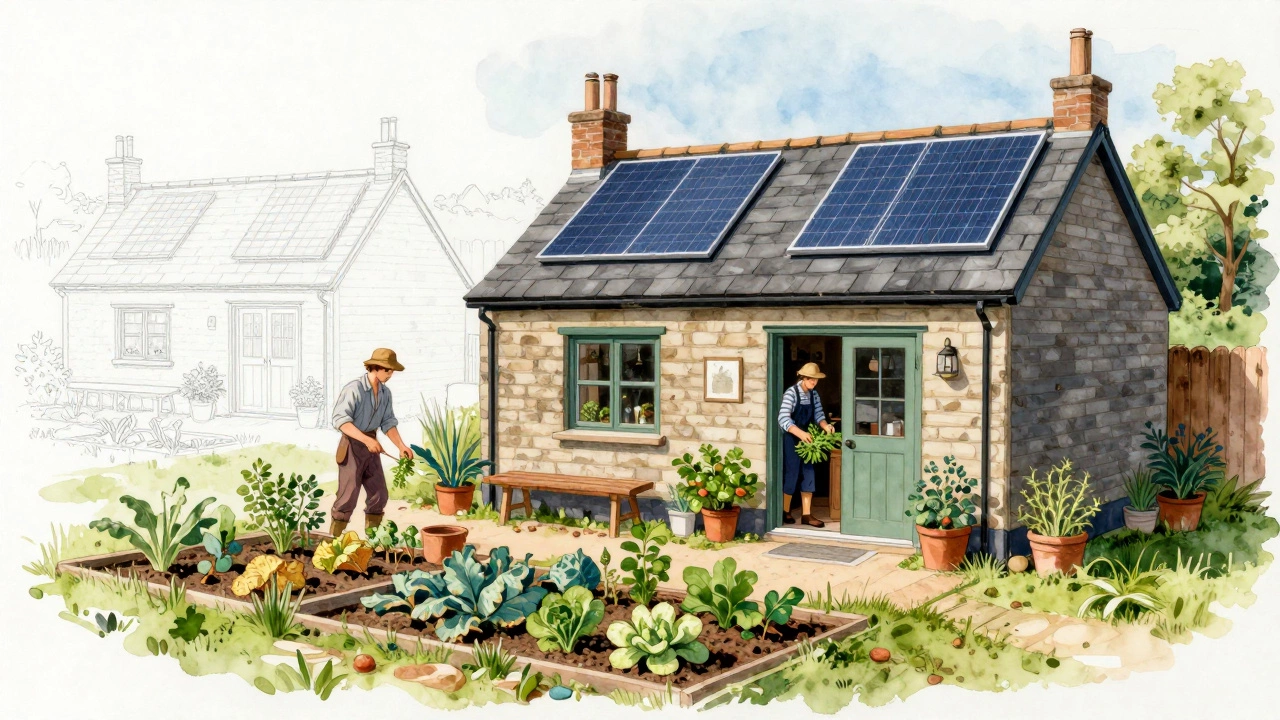
So, does a brand-new build count as a cottage? Yes, if it follows the principles. We see "new construction cottages" popping up in eco-friendly developments. These homes mimic traditional forms but use modern insulation, solar panels, and energy-efficient windows. They keep the steep roofs, stone accents, and compact layouts but offer contemporary convenience.
Glamping sites also lean heavily into cottage culture. Tiny cabins made from reclaimed wood, positioned deep in forests, sell the *experience* of cottage living without the long-term commitment. They focus on disconnection from technology and reconnection with nature. Whether it’s a centuries-old stone structure or a newly built timber-frame cabin, the essence remains: simplicity, warmth, and harmony with surroundings.
Why People Crave Cottage Living Now
There’s a reason cottage core aesthetics trend online. After years of urban density and digital overload, people crave tangible simplicity. A cottage offers a slower pace. Less space means less clutter. Local materials mean lower carbon footprints. Gardens mean fresher food. It’s a rejection of excess. Owning or staying in a cottage feels like opting out of the rat race. It’s about quality of life over quantity of stuff. This emotional resonance is what truly defines a cottage-it’s not just a building type; it’s a mindset.
Is a cottage strictly defined by size?
No. While traditionally small (often under 1,000 sq ft), modern definitions allow for slightly larger footprints if the home maintains a cozy, human-scale feel and uses traditional materials. The atmosphere matters more than exact measurements.
Can a new house be considered a cottage?
Yes. Many new builds adopt cottage aesthetics, featuring steep roofs, stone or timber exteriors, and compact layouts. As long as it embodies the rustic, intimate spirit of traditional cottages, it fits the category.
What is the difference between a cottage and a cabin?
Cabins are typically associated with forests and recreational use, often made primarily of wood. Cottages are more tied to rural village settings, may use stone or brick, and historically served as permanent residences for workers.
Do cottages need to have gardens?
While not legally required, a strong connection to outdoor space is a defining characteristic. Most cottages feature accessible gardens, yards, or natural surroundings that enhance the sense of rural living.
Are cottages energy efficient?
Older cottages may struggle with drafts due to thick walls and small windows. However, their small size requires less energy to heat. Modern renovations often add insulation and efficient systems, making them very sustainable.