Why All-Inclusive Hotels Are Rare in the US: The Real Reasons Explained
All-Inclusive vs. Traditional Hotel Cost Calculator
Trip Details
Traditional US Hotel (A La Carte)
All-Inclusive Alternative
Cost Breakdown
Traditional US Hotel
$0.00All-Inclusive Resort
$0.00You’ve probably noticed a strange gap in American tourism. If you fly to Mexico, the Caribbean, or Europe, you can easily find resorts where one price covers your room, meals, drinks, and activities. But try finding that same deal at home in Florida, Hawaii, or California. It’s frustratingly rare. You might wonder if Americans just hate convenience, but the truth is much more complex. It comes down to how our economy works, what we expect from service, and how hotels make money.
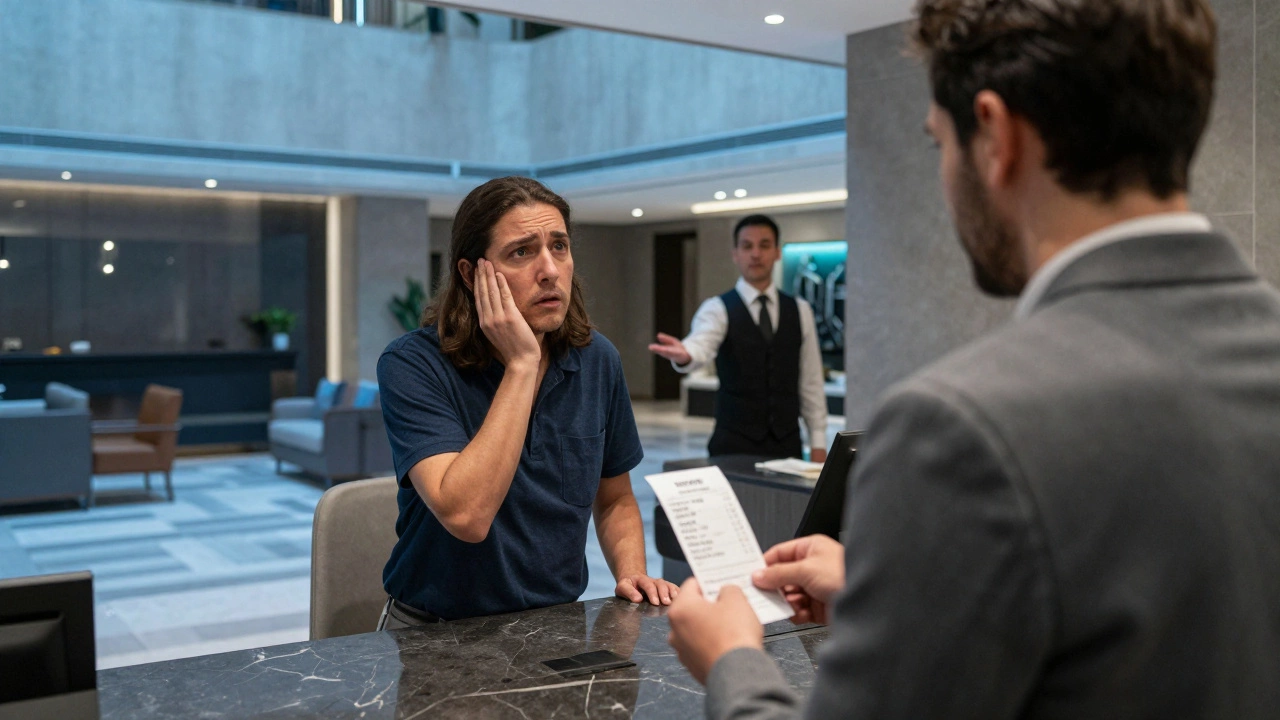
For travelers used to the predictability of an all-inclusive model, visiting the US often feels like a financial minefield. You book a room for $200, only to pay another $50 in mandatory resort fees, plus tax, plus tips for every single interaction. Why hasn’t this convenient model taken over here? Let’s break down the economic, cultural, and legal reasons why the all-inclusive concept struggles to survive on American soil.
The Economics of Labor Costs
The biggest reason all-inclusive hotels are rare in the US is simple math: labor is expensive. In countries like Mexico or Jamaica, where all-inclusive resorts thrive, wages for hospitality staff are significantly lower. This allows hotels to absorb the cost of providing unlimited food, drink, and entertainment within a fixed nightly rate.
In the United States, minimum wage laws vary by state, but they are generally much higher than in traditional all-inclusive destinations. A server in Miami or Los Angeles expects a living wage, not just tips. When a hotel tries to bundle everything into one price, they have to account for these high payroll costs upfront. To cover them, the base price would need to be astronomically high-often double or triple what a standard room costs. Most American travelers aren’t willing to pay $800 a night for a mid-range hotel, even if breakfast is included.
Furthermore, the US hospitality industry relies heavily on tipping culture. In an all-inclusive model, tipping is usually eliminated or replaced with a flat service charge. This disrupts the income stream for many American workers who depend on gratuities to supplement their wages. Changing this deeply ingrained system requires massive operational shifts that most hotel chains are hesitant to make.
Different Travel Habits and Expectations
Americans travel differently than Europeans or Canadians. While international tourists often seek relaxation and stay put in one location, US travelers tend to be more active explorers. We like to hop around. We want to visit local museums, eat at neighborhood restaurants, and experience the city like a local, not stay walled off inside a resort compound.
This desire for authenticity clashes with the all-inclusive model. All-inclusive resorts are designed to keep you on the property. They offer generic, mass-produced food and activities because they need to control costs. Many American travelers view this as low quality. We’d rather pay extra for a great steak dinner downtown or a unique tour than settle for buffet fare and pool games.
Also, consider the length of trips. International vacations are often long-two weeks or more. This makes the savings of an all-inclusive package obvious. Domestic trips in the US are shorter, often just three to four days. The upfront cost premium of an all-inclusive hotel doesn’t make sense for a short weekend getaway. You don’t save enough money to justify the higher initial price tag.

The Rise of Resort Fees and Hidden Costs
If you think all-inclusive pricing is gone, look closer at how US hotels charge today. Instead of bundling everything transparently, many hotels use "resort fees." These are mandatory daily charges added to your bill for access to amenities like the gym, pool, or Wi-Fi. It’s a way to keep the advertised room rate low so it looks competitive on search engines, while still charging you for services.
This practice creates a confusing booking experience. You see a cheap rate, click through, and then realize the true cost is much higher. It’s the opposite of the all-inclusive promise, which is about clarity and predictability. The US hotel industry has optimized for online visibility rather than customer convenience. They prioritize showing up first in search results with low base prices, even if it means adding fees later.
Regulators have started cracking down on this. Some states, like Nevada and New York, now require hotels to disclose the total price including fees upfront. However, this hasn’t led to a shift toward all-inclusive models. Instead, it has just made the existing fee structure more visible. Hotels are sticking to their current revenue strategies because they work for their bottom line.
Tax Structures and Local Regulations
Taxes play a huge role in why all-inclusive deals are hard to find. In the US, hotel taxes are notoriously complex. You have federal, state, county, and city taxes, plus tourist assessments and occupancy taxes. These rates vary wildly from one jurisdiction to another. In some cities, the total tax rate can exceed 15% of your room cost.
All-inclusive resorts need predictable costs to set their prices. If taxes change frequently or differ significantly between neighboring towns, it becomes difficult to create a standardized package. Hotels prefer to charge taxes separately because it simplifies their accounting and keeps the base price flexible. Bundling taxes into an all-inclusive rate would require constant repricing, which is a logistical nightmare for large hotel chains.
Additionally, local zoning laws and regulations can restrict what hotels can offer. In dense urban areas like New York City or San Francisco, space is limited. Hotels can’t build massive resorts with multiple pools, restaurants, and activity centers. They operate in smaller footprints, focusing on rooms and basic amenities. The infrastructure simply isn’t there to support the all-inclusive model.

Exceptions: Where All-Inclusive Does Exist
It’s not entirely accurate to say the US has no all-inclusive options. There are exceptions, but they are niche and specific. You’ll find them mostly in Hawaii, particularly on islands like Maui and Kauai. Resorts like the Grand Wailea or Four Seasons Hualalai offer packages that include meals and activities, though they come at a premium price point aimed at luxury travelers.
Another exception is the timeshare industry. Companies like Marriott Vacations Club or Hilton Grand Vacations sometimes offer all-inclusive experiences at their properties. However, these are tied to ownership or long-term contracts, not casual bookings. They target a different audience: people looking for investment opportunities or frequent visitors who value consistency.
Cruise lines are also a form of all-inclusive travel popular in the US. Ships departing from Miami, Fort Lauderdale, or Seattle offer packages that cover accommodation, meals, and entertainment. Cruises succeed because they are self-contained ecosystems, similar to land-based resorts but with controlled environments and economies of scale that land hotels can’t match.
| Feature | All-Inclusive (International) | Traditional US Hotel |
|---|---|---|
| Pricing Structure | One upfront price | Base rate + taxes + fees + tips |
| Food & Drink | Unlimited on-site | Pay per meal/drink |
| Activities | Included | Often extra cost |
| Tipping | Usually not required | Expected for service staff |
| Target Audience | Families, couples seeking relaxation | Business travelers, explorers |
The Future of Hospitality Pricing
Will we ever see all-inclusive hotels become common in the US? It’s unlikely in the near future. The economic incentives for hotels to separate costs remain strong. As long as consumers respond to low base prices in search results, hotels will continue using resort fees and add-ons.
However, there is a growing demand for transparency. Travelers are getting tired of hidden costs. Some boutique hotels and Airbnb-style rentals are experimenting with inclusive pricing, offering weekly rates that include cleaning, utilities, and basic groceries. This hybrid model might gain traction among remote workers and digital nomads who stay longer and value convenience.
For now, if you want the all-inclusive experience, you’ll likely need to leave the country. But understanding why it’s rare at home helps you navigate the US hotel landscape better. Look beyond the advertised rate, ask about resort fees, and plan your budget accordingly. Knowledge is power when it comes to avoiding sticker shock.
Are there any all-inclusive hotels in the United States?
Yes, but they are rare and mostly found in Hawaii or as part of luxury resort brands. Examples include certain packages at the Grand Wailea in Maui or Four Seasons properties. They are significantly more expensive than international counterparts due to higher labor and operational costs.
Why do US hotels charge resort fees instead of including everything?
Resort fees allow hotels to advertise lower base rates, making them appear more competitive in online searches. It also helps them manage cash flow and cover the high costs of amenities like pools, gyms, and Wi-Fi without raising the room price directly.
Is tipping expected in all-inclusive resorts abroad?
In most true all-inclusive resorts, tipping is not required and often discouraged. Service charges are included in the price. However, in the US, even if a hotel offers an inclusive package, tipping may still be expected depending on the establishment's policy.
Do cruise ships count as all-inclusive?
Mostly yes. Cruise lines typically include accommodation, meals, and entertainment in the ticket price. However, specialty dining, alcoholic beverages, and shore excursions often cost extra unless you purchase a specific beverage or dining package.
Will all-inclusive pricing become more common in the US?
It’s possible in niche markets like extended stays or luxury travel, but widespread adoption is unlikely. High labor costs and consumer preference for flexibility and local experiences keep the traditional à la carte model dominant.